
Gabon (Gabonese Republic)
Central African country on the equator, bordered by Cameroon, Equatorial Guinea and the Republic of the Congo; capital Libreville. Rich in oil and rainforests, with high GDP per capita but notable inequality.
Overview
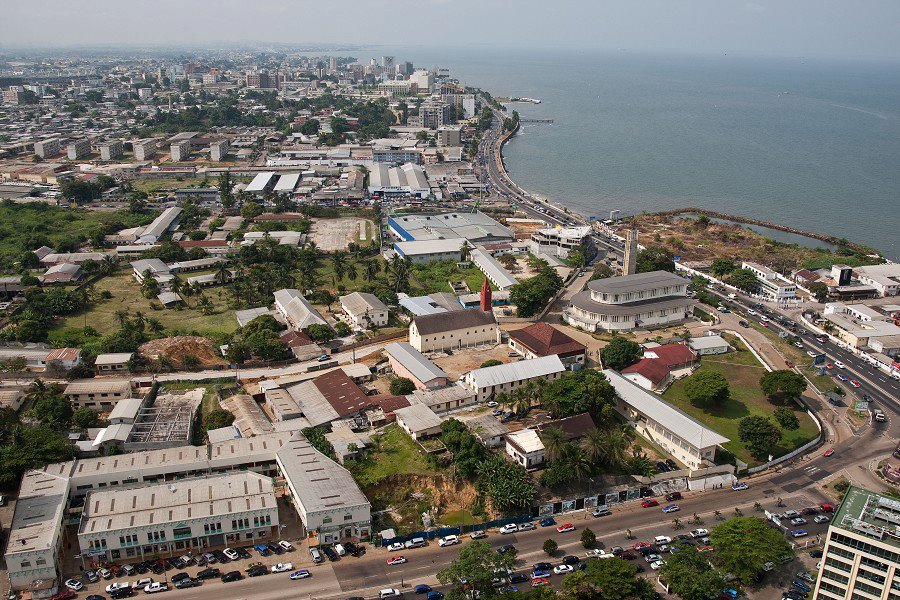
Gabon, officially the Gabonese Republic, is a Central African nation straddling the Atlantic coast and the equator. Covering nearly 270,000 square kilometres, it combines coastal plains, inland plateaus and extensive tropical forest. The capital and largest city is Libreville. Modern Gabon is noted for relatively high income per capita in the region alongside marked income inequality and uneven development between urban and rural areas.
Image gallery
10 Images


Geography and environment
Gabon lies on and just south of the equator, giving it a hot, humid climate along the coast and heavy rainfall that supports part of the Congo Basin rainforest. It shares land borders with Equatorial Guinea to the northwest, Cameroon to the north and the Republic of the Congo to the east and south. Major rivers such as the Ogooué drain the interior toward the Atlantic, and the coastline features a mix of mangroves and sandy beaches. Gabon has significant biodiversity and is home to numerous protected areas and national parks, which were expanded in the early 2000s to conserve wildlife and forest ecosystems.
History and governance
Human habitation in the region predates recorded history, but modern political boundaries emerged through European colonization. Gabon became part of French Equatorial Africa and remained under French administration until achieving independence on 17 August 1960. During the post‑independence period the political system was dominated by a few long‑standing leaders and single‑party rule for parts of the late 20th century. In recent decades Gabon moved toward a multiparty system, though politics have often been shaped by powerful political families and military interventions. For background on the colonial period see colonial history and relations with France.
Economy and society
The Gabonese economy is resource‑oriented. Crude oil has been the mainstay of export earnings and government revenue since mid‑20th century development, complemented by timber, manganese and other minerals. Because of its resource base, Gabon ranks among the wealthier countries in Sub‑Saharan Africa on a per‑capita basis, yet wealth distribution is uneven and many communities, especially in rural areas, face poverty and limited public services. Urbanization is high by regional standards, concentrated in Libreville and a few other coastal towns.
Culture and conservation
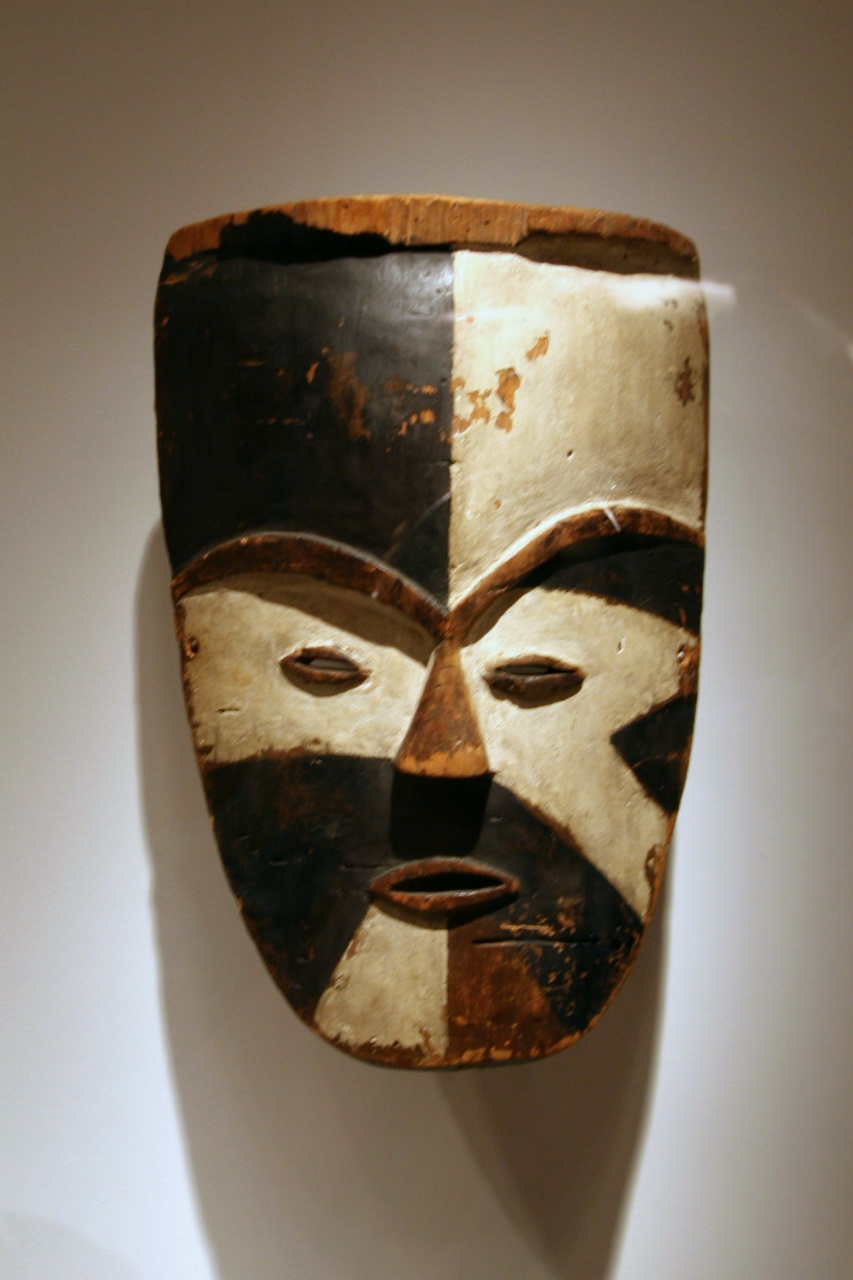
French is the official language and Gabonese culture reflects a blend of indigenous traditions and francophone influences. Ethnic groups include the Fang, Myene, Nzebi and others, each with distinct languages and cultural practices. Conservation and ecotourism have grown in importance as the country seeks to balance economic development with preservation of its forests, wildlife and marine resources. The expansion of protected parks and international conservation partnerships highlights Gabon’s role within the greater Congo Basin landscape.
Key facts
- Capital: Libreville.
- Location: Atlantic coast of Central Africa; on the equator and bordered by Cameroon, Equatorial Guinea and the Republic of the Congo.
- Independence: 17 August 1960 from France (colonial era).
- Economy: natural resources (oil, timber, minerals); relatively high GDP per capita in Sub‑Saharan Africa but with significant inequality.
This summary offers a concise introduction to Gabon’s location, environment, political development and economy. For more detailed maps, historical records and conservation reports follow the links to region‑specific resources and institutions provided above.
Questions and answers
Q: What is the capital of Gabon?
A: The capital of Gabon is Libreville, which is also the largest city in the country.
Q: How many people live in Gabon?
A: Approximately 1.5 million people live in Gabon.
Q: When did Gabon become a new country?
A: Gabon became a new country on August 17, 1960.
Q: What type of government does Gabon have?
A: Initially, Gabon had one-party rule but it switched to a multi-party government in the early 1990s.
Q: What are some economic indicators for Gabon?
A: Gabon is one of the richest countries in Sub-Saharan Africa and has 4th highest HDI and third highest GDP per capita (PPP) in the region. However, there are significant amounts of poverty and high levels of income inequality present in the country.
Q: Where is Gabon located geographically?
A:Gabon is located on the equator and has borders with Equatorial Guinea, Cameroon, and the Republic of Congo. It has an area of almost 270,000 square kilometres (100,000 sq mi).
Related articles
Author
AlegsaOnline.com Gabon (Gabonese Republic) Leandro Alegsa
URL: https://en.alegsaonline.com/art/37156
Sources
- esa.un.org : "World Population Prospects: The 2017 Revision"
- imf.org : "Report for Selected Countries and Subjects"
- data.worldbank.org : "GINI index (World Bank estimate)" · web.archive.org
- hdr.undp.org : "Human Development Report 2019"
- fifa.com : "Gabon: Gabon Fédération Gabonaise de Football" · web.archive.org
- news.bbc.co.uk : "Gabon will host the 2012 Africa Cup of Nations final"
- cafonline.com : "Gabon named hosts of AFCON 201"
- sportfishingmag.com : "World's Best Tarpon Fishing Spots" · web.archive.org
- commons.wikimedia.org : Gabon