
1929
1929 was a pivotal year in the interwar period: the Lateran Treaty created Vatican City, the Wall Street Crash triggered the Great Depression, and cultural and technological shifts accelerated worldwide.
Overview
1929 falls in the interwar period and is often remembered as the year when long-term economic and political trends converged into major global consequences. It is notable for dramatic financial collapse in the United States that spread internationally, diplomatic settlements that reshaped sovereignty in Europe, and continuing shifts in mass culture and technology.
Image gallery
10 Images




Major political and economic events
On the diplomatic front, the Lateran Treaty between the Kingdom of Italy and the Holy See was concluded in 1929, establishing the independent state of Vatican City and resolving long-standing questions about papal sovereignty. In the United States, Herbert Hoover was inaugurated as president in March.
Economically, October 1929 saw the Wall Street Crash—a rapid and severe fall in stock prices that precipitated bank failures, steep declines in production and employment, and the onset of the Great Depression. The shockwaves affected markets, trade and public finances around the world, shaping politics and policy for the following decade.
Social, cultural and technological context
The late 1920s continued the transition from silent to sound cinema, and 1929 featured early industry award ceremonies and expanding radio broadcasting as mass media. Urbanization, automobile ownership and electrical consumer goods kept rising in many countries, altering daily life and leisure.
Notable conflicts and incidents
1929 included episodes of political violence and communal conflict that had lasting local significance, for example sectarian outbreaks in the British Mandate of Palestine. In the United States the St. Valentine’s Day Massacre in Chicago highlighted organized crime during Prohibition.
Births and legacies
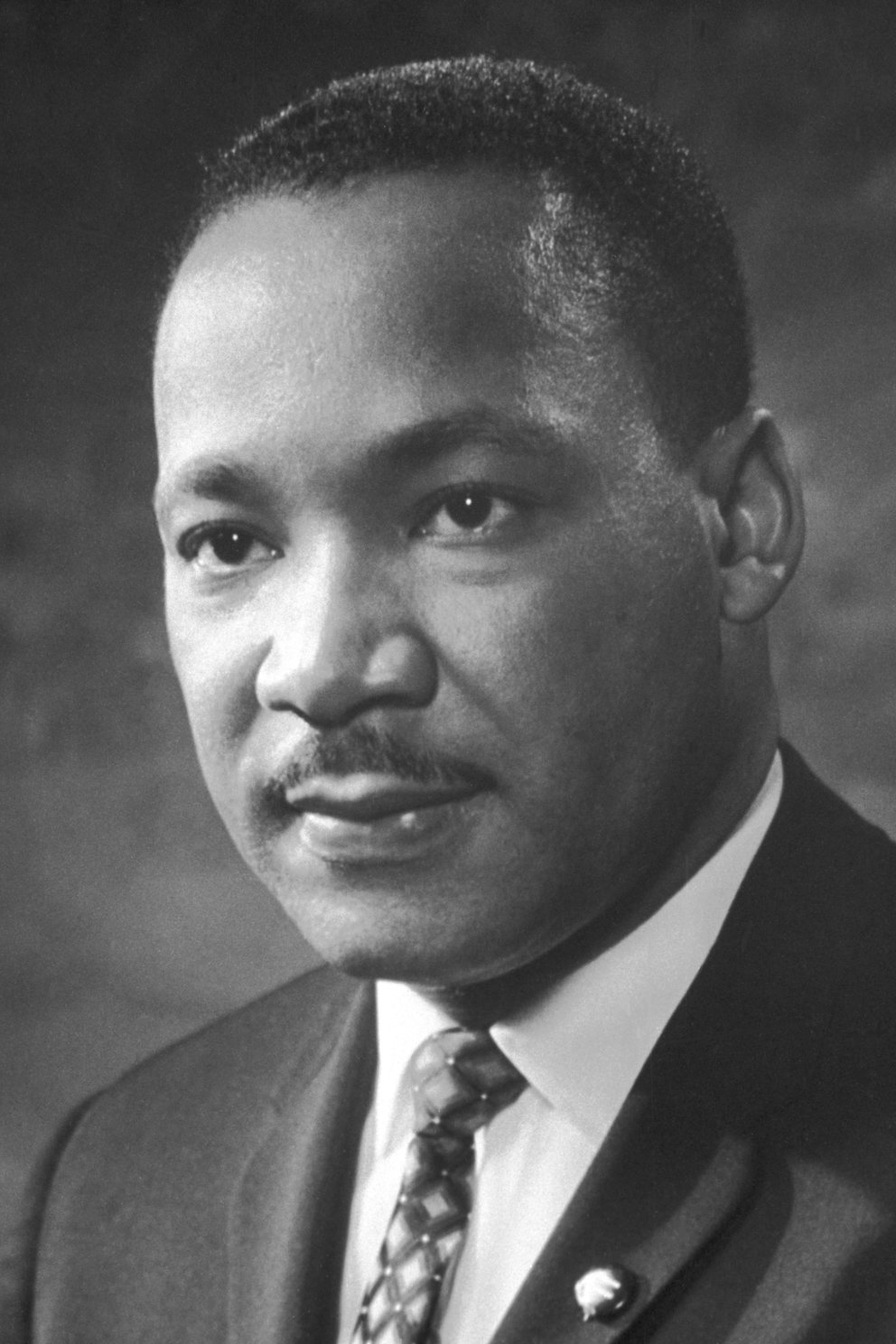
Several individuals born in 1929 later became prominent in politics, civil rights and culture; among the best known are Martin Luther King Jr. and Anne Frank. The economic collapse of 1929 and the policy responses it forced remain central reference points in modern economic and political history.
Calendar note
By January 1, 1929, civil use of the Gregorian calendar was in place in essentially all internationally recognized states, marking the near-universal adoption of that calendar system for official purposes, even as some religious communities continued older liturgical calendars.
Related articles
Author
AlegsaOnline.com 1929 Leandro Alegsa
URL: https://en.alegsaonline.com/art/111948