
Rhodesia: Unrecognised state in Southern Africa (1965–1980)
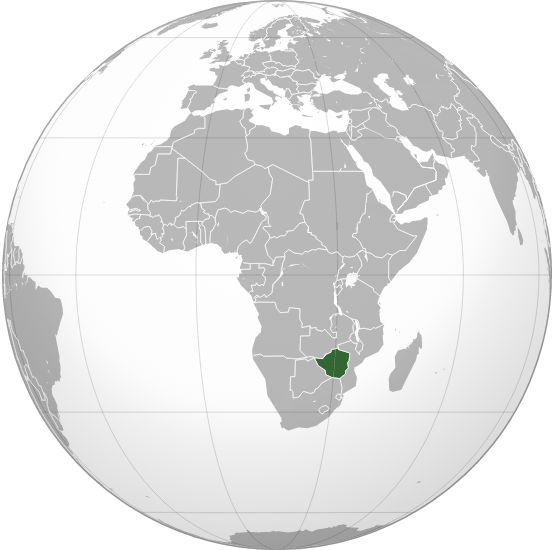
Rhodesia was an unrecognised state in the territory now called Zimbabwe. Formed after a unilateral declaration of independence from Britain, it existed through conflict and negotiation before becoming Zimbabwe.
Overview
Rhodesia was the name used by a self-governing regime in southern Africa that declared independence from the United Kingdom in the 1960s and operated as an unrecognised state into 1979. Its territory corresponds to the modern nation of Zimbabwe, and its history unfolded against the wider context of the Cold War and decolonisation in Africa.
Image gallery
7 Images



Origins and name
The area had been administered as the British colony of Southern Rhodesia and earlier as a settlement influenced by British imperial interests. The name "Rhodesia" commemorated the British imperialist Cecil Rhodes; governance and land arrangements reflected a colonial legacy and a white-minority settler community under British sovereignty prior to the break with London via unilateral action.
Unilateral independence and government
In 1965 the local government issued a Unilateral Declaration of Independence (UDI) to prevent rapid majority rule; leaders sought to preserve minority political control. The regime later proclaimed a republic in 1970. The declaration was not accepted by the United Kingdom or most of the international community, leading to sanctions and limited formal recognition of the state's institutions.
Armed conflict and negotiations
During the 1970s Rhodesia was engaged in a protracted guerrilla war fought by nationalist movements that demanded majority rule. The conflict involved internal and cross-border operations, regional pressure from neighbouring states, and diplomatic efforts to end the fighting. Ultimately, mediated negotiations led to agreements to transfer authority to majority-elected leaders.
Transition to Zimbabwe and legacy
Negotiations culminated in an agreement that paved the way for internationally supervised elections and the end of the unrecognised regime. The internationally recognised state of Zimbabwe emerged in 1980. Rhodesia's history remains significant for discussions of decolonisation, minority rule, sanctions, and the risks of unilateral statehood claims.
Notable facts
- The UDI was a rare case of a colony's settler government declaring independence without international consent.
- International isolation, economic sanctions, and armed struggle were key pressures that shaped the transition.
- For background on the colonial relationship with Britain see British colonial history.
Further reading and archival material about Rhodesia's institutions, conflict, and diplomacy are available through historical collections and academic studies on decolonisation and southern African politics (Southern Rhodesia, Zimbabwe).
Related articles
Author
AlegsaOnline.com Rhodesia: Unrecognised state in Southern Africa (1965–1980) Leandro Alegsa
URL: https://en.alegsaonline.com/art/82530