
James Wolfensohn: World Bank President, Banker and Philanthropist
James D. Wolfensohn (1933–2020) was an Australian‑American lawyer, investment banker and the ninth president of the World Bank Group (1995–2005), noted for promoting poverty reduction, debt relief and institutional reform.
Overview
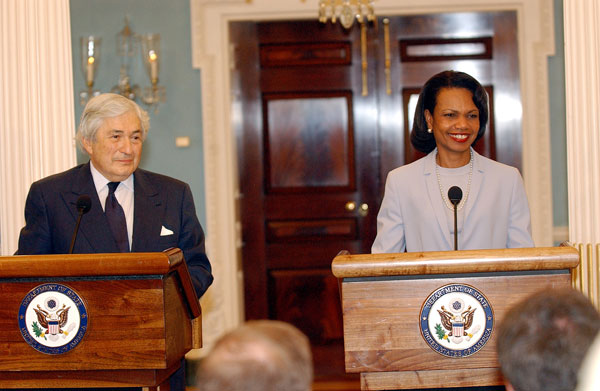
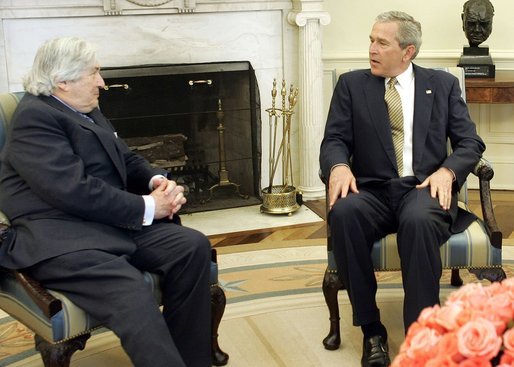
James David Wolfensohn was a prominent public figure who combined careers in law, finance and international development. Born in Australia, he became known internationally after taking office as the ninth president of the World Bank Group, where he led the institution through a decade of policy attention on poverty, governance and development partnerships.
Image gallery
7 Images




Early career and background
Wolfensohn trained and worked as a lawyer and later became an investment banker and financier, building a reputation for close engagement with both private and public sectors. He identified with his Australian roots and maintained ties to both countries as an Australian and an American professional. His background combined legal, economic and business experience that shaped his later approach to development leadership.
World Bank presidency (1995–2005)
During his ten years at the Bank, Wolfensohn emphasized a human‑centered approach to development. He drew attention to the causes and consequences of poverty, advocated debt relief for the poorest nations and pushed for stronger public sector governance and anti‑corruption measures. He also promoted greater openness to civil society and partnerships with other international and private organizations.
Priorities and initiatives
- Bringing poverty reduction closer to the Bank's core mission.
- Supporting debt relief efforts for highly indebted poor countries.
- Raising the profile of governance, transparency and anti‑corruption.
- Encouraging collaboration with NGOs, donor governments and private partners.
Later life, honors and legacy
After leaving the presidency, he remained active in philanthropy, cultural initiatives and advisory roles. Over his career he received several honors recognizing his public service, including titles and orders that reflect contributions to public life. Commentators credit him with refocusing the Bank's agenda toward social outcomes and with increasing the institution's engagement with a wider set of development actors.
Death
Wolfensohn died in New York City on 25 November 2020 from complications related to pneumonia. His passing prompted reflections on an era in which the World Bank sought to combine financial expertise with a sustained emphasis on poverty reduction and institutional reform.
For further reading on his career and the institution he led, see institutional histories and obituaries that discuss the Bank's evolution in the late 20th and early 21st centuries. Additional contextual resources are available through public archives and development literature. Background on economic policy and institutions can provide further context to his approaches and priorities.
Related articles
Author
AlegsaOnline.com James Wolfensohn: World Bank President, Banker and Philanthropist Leandro Alegsa
URL: https://en.alegsaonline.com/art/121385
Sources
- theaustralian.com.au : "The man who inherited the Rothschild legend"