
Swimming pool: design, equipment, maintenance, history and uses
Comprehensive overview of swimming pools: common types, main components, water treatment, maintenance practices, historical background and typical uses for recreation and competition.
Overview
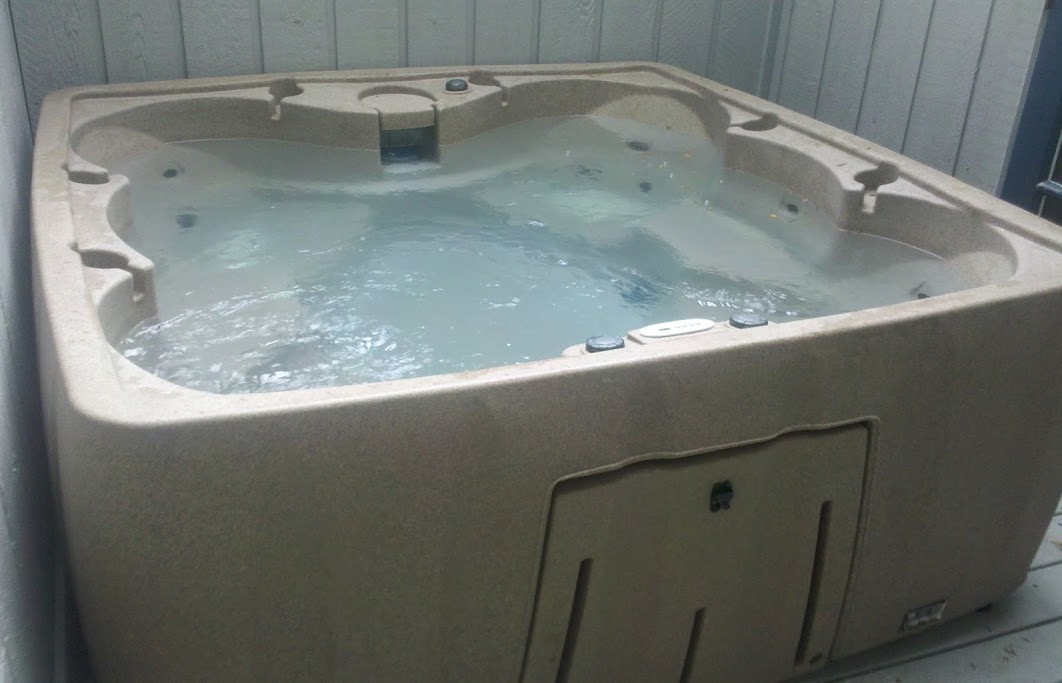
A swimming pool is a constructed basin designed to hold a large volume of water for bathing, recreation, exercise or competitive swimming. Pools vary widely in size and shape: from small domestic tubs and kiddie wading pools to full-size competition tanks and public aquatic centers. They may be set outdoors or enclosed inside buildings and can be permanent in-ground structures or temporary above-ground installations.
Image gallery
10 Images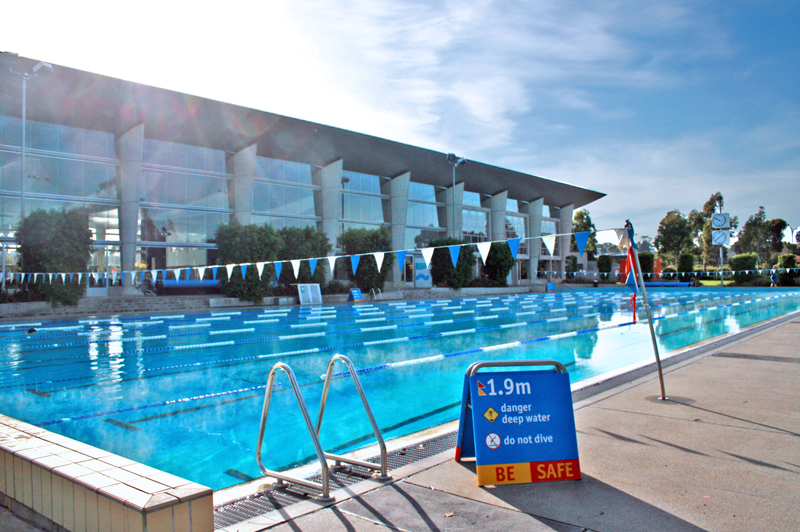


Typical components and systems
Modern pools rely on several mechanical and chemical systems to keep the bathing environment safe and comfortable. Major components include:
- Circulation equipment: a pump moves water through the system to prevent stagnation.
- Filtration: a filter removes suspended particles like debris and some microorganisms.
- Sanitation: chemical or alternative disinfectants control contaminants and algae.
- Heating and ventilation: heaters and air handling systems for indoor pools.
- Safety and accessories: skimmers, drains, ladders, diving boards and covers.
Water treatment and maintenance
Maintaining balanced pool water protects bather health and equipment. Regular tasks include testing and adjusting pH and total alkalinity, adding sanitizers such as chlorine or using salt systems and ultraviolet/ozone treatments. Chlorine and other disinfectants control bacteria and viruses that otherwise would increase illness risk; filtration and adequate circulation reduce overall contaminant load. Routine cleaning, periodic shocking, and winterizing in cold climates are common maintenance practices.
History and development
Humans have built pools for millennia, from ancient ritual and bathing basins to the Roman thermae and public baths of later centuries. Recreational and competitive swimming grew in popularity in the 19th and 20th centuries, triggering standardized pool dimensions for competitions and wider public access to municipal pools and private residential pools.
Uses, standards and notable distinctions
Pools serve varied purposes: leisure, fitness, therapy, dive training and sport. Competitive facilities often follow standardized lengths (such as 25 m and 50 m) and depth, sighting and lane requirements. Smaller pools focus on play or relaxation. Variants include infinity-edge pools, natural swimming ponds that rely on biological filtration, and saltwater systems that substitute salt electrolysis for traditional germs control. Proper design, equipment and ongoing maintenance are essential for safety and longevity of any pool.
For further technical guidance consult manufacturers and public health resources for regional regulations and recommended practices: water quality and equipment specifications are commonly provided by industry organizations and public health agencies.
Questions and answers
Q: What is a swimming pool?
A: A swimming pool is a tank or large basin filled with water intended for recreational or competitive swimming or diving.
Q: What activities can be done in a swimming pool?
A: Besides swimming, activities like playing, wading, water exercising, floating on inner tubes, or cooling off on hot days can also be done in a swimming pool.
Q: What are the methods used to keep the swimming pool clean?
A: The methods used to keep the swimming pool clean are the use of chemical chlorine, sometimes sea water, and the filtration system.
Q: What does chlorine do in a swimming pool?
A: Chlorine kills germs and algae in a swimming pool.
Q: What does the filtration system do in a swimming pool?
A: The filtration system in a swimming pool cleans the water by removing impurities and keeping the water circulating.
Q: What are the main components of a swimming pool filtration system?
A: The main components of a swimming pool filtration system are the pump and filter.
Q: What is the purpose of a swimming pool filtration system?
A: The purpose of a swimming pool filtration system is to keep the water clean and free from impurities like germs and algae.
Related articles
Author
AlegsaOnline.com Swimming pool: design, equipment, maintenance, history and uses Leandro Alegsa
URL: https://en.alegsaonline.com/art/95522