
Prisoner of War (POW): Definition, History, Rights and Treatment
A practical overview of prisoners of war: who they are, how they have been treated historically, the legal protections under the Geneva Conventions and contemporary issues in capture, detention and repatriation.
Overview
A prisoner of war (commonly abbreviated POW) is a person who has fallen into the hands of an opposing party during an armed conflict. In practice this most often includes members of regular armed forces and other fighters who meet criteria established by international law; it does not generally describe ordinary criminal suspects. The circumstances that lead to capture vary: a combatant may be captured or surrender to enemy forces in the course of an armed conflict, or be detained after an engagement and recognized as entitled to POW status.
Image gallery
10 Images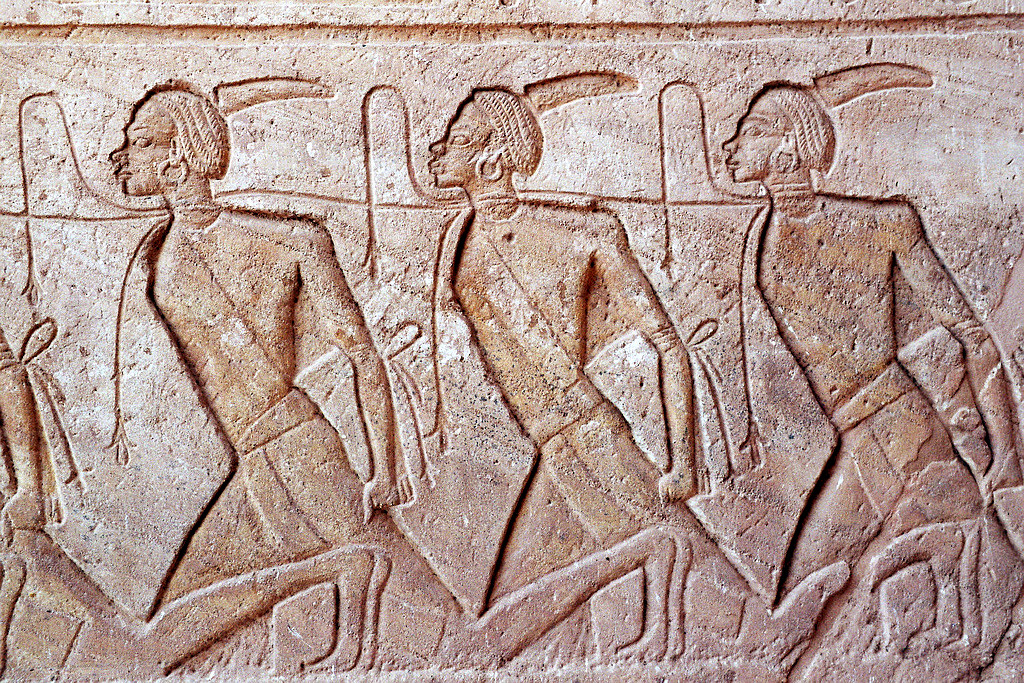


Legal status and protections
The status of prisoners of war and the minimum standards for their treatment are set out in the international laws of war. These rules aim to protect captured persons from violence, coercion and degrading treatment and to preserve their basic human dignity. Key instruments include provisions commonly referred to as the Geneva Conventions and broader laws of war. Modern practice also emphasizes that captured persons have legal protections, access to medical care, and the right to communicate with relatives and an independent neutral organization for monitoring.
Rights and obligations
Prisoners of war are entitled to humane treatment and certain specific rights; at the same time they have limited obligations. Typical rights and safeguards include:
- Protection from violence, torture and reprisals.
- Prompt medical attention and adequate food, clothing and shelter.
- The right to inform family members of capture and to receive relief supplies.
- Fair treatment if charged with criminal offences and access to a judicial process.
- Repatriation or release at the end of active hostilities, or when no longer a security risk.
Common obligations may include providing only basic identity information (name, rank or date of birth) and complying with camp discipline; POWs are not required to provide intelligence beyond identity details.
Historical context and modern practice
Historically, captured combatants were often enslaved, executed, or exploited. Over the last two centuries, and especially after the mid-20th century, international agreements moved toward standardized protections. In modern conflicts the practical application of POW rules can vary: state parties generally observe basic protections, while detention by non-state armed groups, asymmetric warfare and disputes over whether a detainee qualifies as a combatant present recurring challenges.
Detention, release and distinctions
Detention facilities for POWs have taken many forms, from formal camps to temporary holding locations. Release and repatriation are expected when hostilities cease or through negotiated exchanges. Important distinctions affect how a person is classified and treated: POWs differ from civilians detained for security reasons, from criminal prisoners, and from those labeled unlawful or unprivileged combatants—a designation that can be legally and politically contested. Neutral organizations and monitoring bodies often play a role in ensuring standards are met and in facilitating humanitarian contacts.
Notable point: while international law establishes a baseline of rights, enforcement relies on state practice, diplomatic pressure and humanitarian monitoring; compliance and interpretation remain matters of ongoing attention in armed conflicts worldwide.
Questions and answers
Q: What is a prisoner of war?
A: A prisoner of war, also known as a POW, is a non-combatant who has been captured or surrendered by the enemy forces during an armed conflict.
Q: What happened to prisoners of war in the past centuries?
A: In the past centuries, prisoners of war did not have any rights and were usually either killed or forced to be slaves.
Q: What are the rights of prisoners of war?
A: Prisoners of war have rights that are stated in the Geneva Conventions and other laws of war.
Q: Who has the responsibility of enforcing the rights of prisoners of war?
A: It is the responsibility of the countries and armed forces involved in the conflict to ensure that the rights of prisoners of war are protected and enforced.
Q: Can a prisoner of war be forced to work?
A: Yes, a prisoner of war can be forced to work, but the work must not be harmful to their health or life. They must be given humane conditions of work and remuneration.
Q: Is it legal to torture a prisoner of war?
A: No, it is illegal to torture a prisoner of war. They must be treated humanely and must not be subjected to any form of torture or cruel treatment.
Q: What is the purpose of the Geneva Conventions?
A: The Geneva Conventions are international agreements that aim to govern the conduct of armed conflicts and protect the lives and dignity of people who are not taking part in the hostilities, such as prisoners of war.
Related articles
Author
AlegsaOnline.com Prisoner of War (POW): Definition, History, Rights and Treatment Leandro Alegsa
URL: https://en.alegsaonline.com/art/79261
Sources
- un.org : "Geneva Convention relative to the Treatment of Prisoners of War"
- ppu.org.uk : "Geneva Convention"
- digitalcommons.wcl.american.edu : "Dealing with the Detainees at Guantánamo Bay: Humanitarian and Human Rights Obligations under the Geneva Conventions"
- britannica.com : "War Crime"
- icc-cpi.int : "About the Court"
- icc-cpi.int : Elements of Crimes · web.archive.org
- mansell.com : "Report on American Prisoners of War Interned by the Japanese in the Philippines"
- pbs.org : Great Escape