
Jack Abramoff: lobbyist, scandal, and political legacy
Profile of Jack Abramoff, an American lobbyist whose 2000s corruption scandal led to convictions, prison time, reforms and cultural portrayals, and who remains a controversial figure in U.S. politics.
Overview
Jack Abramoff (born February 28, 1958) is an American former lobbyist and businessman whose career became synonymous with one of the largest political corruption scandals of the early 21st century. He built influence through a network of clients, political connections and advocacy groups before facing criminal charges. Contemporary accounts describe both his role in conservative political circles and the legal consequences he encountered after investigations exposed widespread improper payments and favors. For a general profile see biographical summaries and profiles of his business activities at industry overviews.
Image gallery
5 Images


Political work and lobbying career
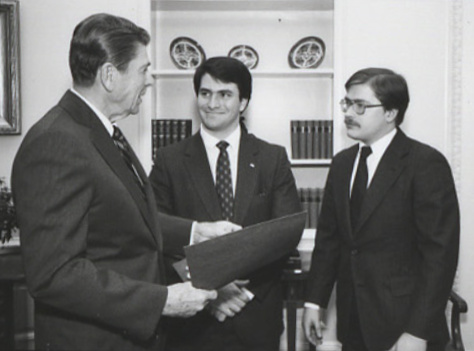
Abramoff first rose to prominence as a student and activist, eventually serving in leadership roles in conservative youth groups. He worked as a lobbyist with several Washington firms and operated independent consulting and advocacy operations that represented clients including Native American tribes and corporations. His activities attracted attention from reporters and regulators; court and oversight filings provide more detail on lobbying practices and expenditures (court records, case summaries). Public accounts point to a pattern of lavish spending, gifts and bundled campaign support used to curry favor, which critics labeled part of a broader corruption problem in the capital.
Scandal, charges and convictions
Investigations by federal prosecutors and congressional committees culminated in a series of indictments and guilty pleas. Abramoff pleaded guilty to charges including fraud and conspiracy; official documents detail the charges and sentencing guidelines (charge documents). The inquiry implicated several public officials and aides, and named individuals connected to the Bush administration and congressional offices (administration figures, staff and aides). Prominent convictions and pleas from this period were widely reported in the press.
Related convictions and sentence
Prosecutions linked to the Abramoff investigations led to the conviction of multiple lobbyists, aides and at least one member of Congress. Those cases and related court outcomes include decisions against lawmakers and staff whose dealings with Abramoff attracted scrutiny (congressional cases, aide prosecutions). Abramoff himself received a multi-year federal sentence and served part of it in prison before being transferred to a halfway house and released under supervision; official release and custody records are available (sentencing reports, prison records). Transition out of custody included placement in a community facility (halfway house notice).
Background, affiliations and personal life
Before his downfall Abramoff held leadership roles with conservative campus groups and political organizations. He has been connected to a variety of think tanks and advocacy organizations, and served on boards and advisory councils — affiliations that drew attention as the scandal unfolded (early political roles, think tank ties). Public filings and biographies note family and residence information reported during that era (organization listings, personal profile).
Aftermath, portrayals and significance
The Abramoff affair prompted legislative and procedural reforms aimed at reducing conflicts of interest and increasing transparency in lobbying. His case became a touchstone in debates over ethics rules, disclosure and enforcement. It also entered popular culture: the story inspired documentary and dramatic films and widespread commentary (media coverage, documentary mentions). Notable cultural works that fictionalized or depicted the events include a 2010 documentary and a later feature film (documentary, dramatic film), and major actors portrayed figures linked to the scandal (casting notes).
Key points and further reading
- Who: Longtime lobbyist and political operative involved in conservative causes.
- What: Central figure in a corruption investigation that produced multiple convictions.
- Outcome: Guilty pleas, prison time, and early release to supervised housing.
- Impact: Contributed to reforms in lobbying disclosure, ethics enforcement and public debate over influence.
For more detailed source material consult official records, contemporary journalism and legal documents that chronicle the investigations, trials and policy responses surrounding Abramoff's activities and their long-term effects on American lobbying practices.
Questions and answers
Q: What is Jack Abramoff's profession?
A: Jack Abramoff is an American former lobbyist and businessman.
Q: When was he convicted of mail fraud and conspiracy?
A: In 2006, courts found him guilty of mail fraud and conspiracy.
Q: Who were some of the people convicted in relation to the investigation into Jack Abramoff?
A: White House officials J. Steven Griles and David Safavian, U.S. Representative Bob Ney, and nine other lobbyists and Congressional aides were all convicted in relation to the investigation into Jack Abramoff.
Q: How long did he serve in federal prison for his conviction?
A: He served three years, six months of a six-year sentence in federal prison before being released early to a Baltimore halfway house on June 8, 2010.
Q: What positions has Jack held within conservative organizations?
A: He was College Republican National Committee National Chairman from 1981 to 1985; a founding member of the International Freedom Foundation; lobbyist for the firm of Preston Gates & Ellis; lobbyist for Greenberg Traurig; director of the National Center for Public Policy Research (a conservative think tank); and Toward Tradition.
Q: Where does his wife Pam live with their five children?
A: His wife Pam and their five children live in Maryland.
Q: What two movies have been made about Jack Abramoff's lobbying scandals?
A: The two movies are Casino Jack and the United States of Money (released May 2010) and Casino Jack (released December 17, 2010), which stars Kevin Spacey as Abramoff.
Related articles
Author
AlegsaOnline.com Jack Abramoff: lobbyist, scandal, and political legacy Leandro Alegsa
URL: https://en.alegsaonline.com/art/121105
Sources
- forward.com : "House Sets Limits on Palestinian Aid As DeLay Defies Calls of Bush, Rice."
- bop.gov : Inmate Finder, Jack Abramhoff
- articles.latimes.com : "Jack Abramoff Sentenced to 48 Months."
- nytimes.com : "Abramoff, From Prison to a Pizzeria Job"
- washingtonpost.com : "Abramoff Lawyers Ask for Access to Tax Refund"
- movies.nytimes.com : "The Eye in a Hurricane of Corruption"
- imdb.com : Casino Jack at IMDB.
- nymag.com : "Bagman Trailer: The Other Jack Abramoff Movie"
- foxnews.com : Fox News "Timeline of Key Events in Jack Abramoff Investigation", January 4, 2006
- bloomberg.com : "Abramoff Pleads Guilty, Will Help in Corruption Probe."
- washingtonpost.com : "A Jackpot from Indian Gaming Tribes."
- cbsnews.com : "Abramoff Pleads Guilty, Will Help in Corruption Probe."
- news.bbc.co.uk : "US lobbyist jailed for corruption"
- washingtonpost.com : "Abramoff Sentenced to 4 Years in Prison for Corruption"
- washingtonpost.com : WashingtonPost.com