
Court (legal forum)
A court is a public institution where judges and other officials apply law to resolve disputes, decide criminal guilt, interpret statutes and protect rights. This article outlines types, participants, procedure and functions.
A court is a public institution established by a state or community to decide how legal rules apply to particular facts and controversies. The word has other meanings in non‑legal contexts — for example a royal court or an open building space such as a courtyard — but in law a court brings together parties, evidence and neutral decision‑makers to resolve disputes and provide legally enforceable outcomes.
Courts operate within a system of law and are usually organs of the government, though many legal systems protect judicial independence so tribunals can decide matters without improper political interference. Common judicial tasks include determining whether a person committed a crime, resolving ownership or contract disagreements, and deciding family matters such as with whom the children of divorced parents should live. Courts commonly sit in a dedicated building called a courthouse, where hearings, filings and public records are kept.
Image gallery
7 Images

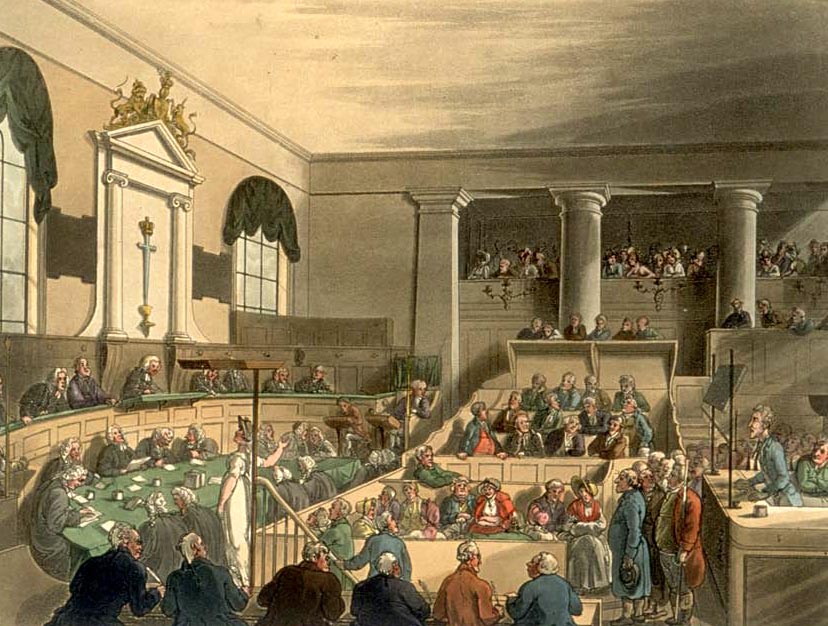

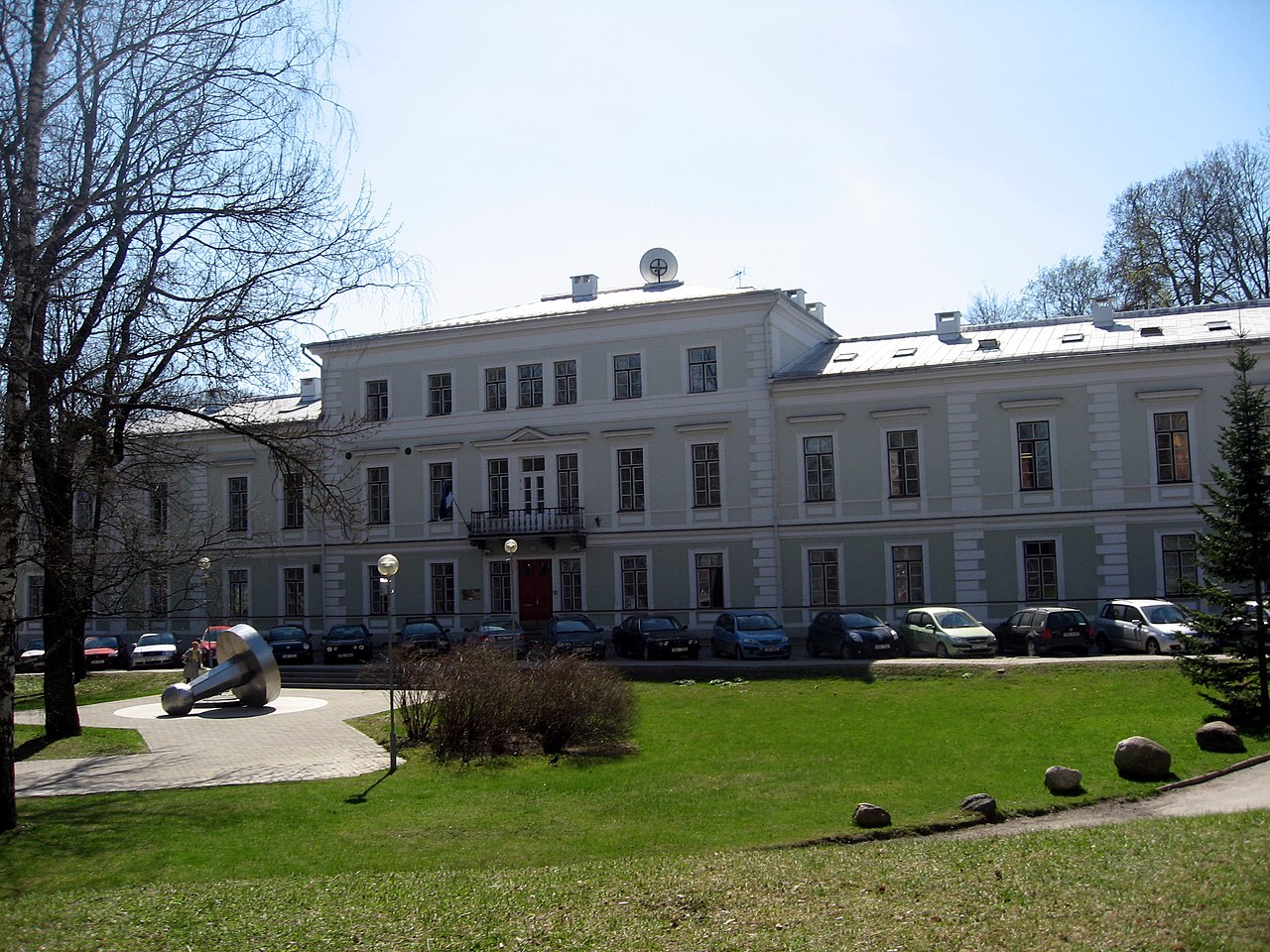
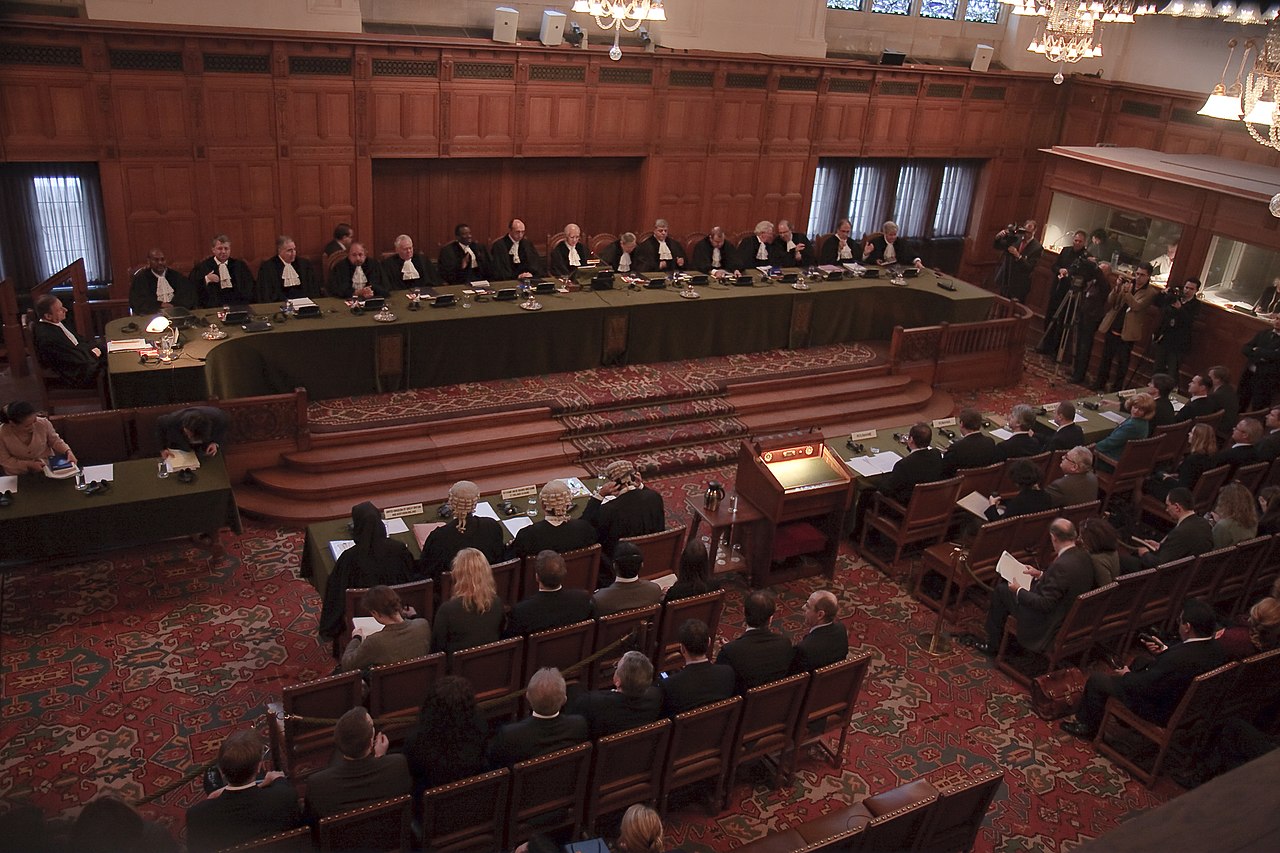

Types of courts
- Civil courts hear private disputes between individuals or organizations, including contract, property and tort cases.
- Criminal courts determine guilt and punishment in cases brought by the state against persons accused of unlawful acts.
- Specialized courts handle constitutional questions, administrative law, family matters, juvenile issues, tax disputes, commercial cases, and military or religious law in some systems.
Courts are often arranged in tiers. Trial courts (sometimes called first‑instance courts) examine facts and apply law to render an initial judgment. Appellate courts review legal aspects of lower decisions and can affirm, reverse or remand cases for further proceedings. Constitutional or supreme courts decide questions about a country’s fundamental law and may have final authority on legal interpretation.
Participants and roles
Typical courtroom participants include judges or magistrates who preside, advocates (lawyers) who present each side’s case, and sometimes a jury of citizens who find facts. Court staff such as clerks, bailiffs and interpreters support process and maintain official records. Parties may be represented or may appear without counsel; many systems provide legal aid to ensure access for those who cannot afford lawyers.
Procedure and evidence
Procedures differ across legal traditions. In adversarial systems the parties present evidence and argument for a judge or jury to decide; in inquisitorial systems judges play a more active role in investigating facts. Common stages include pleadings or filings, pretrial motions, examination and cross‑examination of witnesses, presentation of documentary evidence, legal argument, and a written or oral judgment. Rules of evidence govern what information is admissible.
Remedies available from courts vary by case type and may include monetary awards, orders to perform or stop certain actions (injunctions), custody arrangements, fines, probation, imprisonment, or declaratory statements of rights. Enforcement of judgments is usually carried out through government mechanisms such as sheriffs, enforcement officers or administrative agencies.
Jurisdiction and access
Jurisdiction defines the authority of a court to hear a case and may be limited by geography, subject matter, or the amount in dispute. Access to courts—often called access to justice—is a fundamental principle in many legal systems; public hearings, the possibility of appeal, legal representation, and procedures that protect fair trial rights are central to that concept.
Alternatives and modern developments
Alternative dispute resolution methods such as arbitration, mediation and negotiation offer non‑court ways to settle disputes and can reduce court workloads. Many courts are adopting technology for electronic filings, virtual hearings and public publication of decisions, while balancing openness with privacy and security concerns.
Historical and social role
Institutions called courts have existed in varied forms across societies and eras, evolving from informal dispute panels and sovereign tribunals into structured systems governed by written rules and procedural safeguards. Modern courts play a central role in upholding the rule of law, protecting individual rights, resolving conflicts peacefully, and giving predictability to social and economic life.
Because terminology varies, distinctions among terms such as court, tribunal and arbitration panel are legally important: they determine procedural rights, available remedies and options for review. For further general reading about related topics, see entries on law and government.
Related articles
Author
AlegsaOnline.com Court (legal forum) Leandro Alegsa
URL: https://en.alegsaonline.com/art/23625