
White House: residence, offices, and symbol of the U.S. presidency
The White House is the official residence and principal workplace of the U.S. president, located at 1600 Pennsylvania Avenue. It combines neoclassical architecture, executive offices, ceremonial rooms and public outreach.
Overview
The White House is the official residence and principal workplace of the President of the United States and the First Family. Located at 1600 Pennsylvania Avenue in Washington, D.C., it has served as the home of every U.S. president since the turn of the 19th century. The White House functions both as a private residence and as the ceremonial and administrative center of the executive branch. It is widely recognized as a national symbol of American government and the presidency. Public information about the property and its operations is provided through official channels and visitor programs; descriptions of the house as the official residence and public site are maintained by government sources.
Image gallery
10 Images





Design and architecture
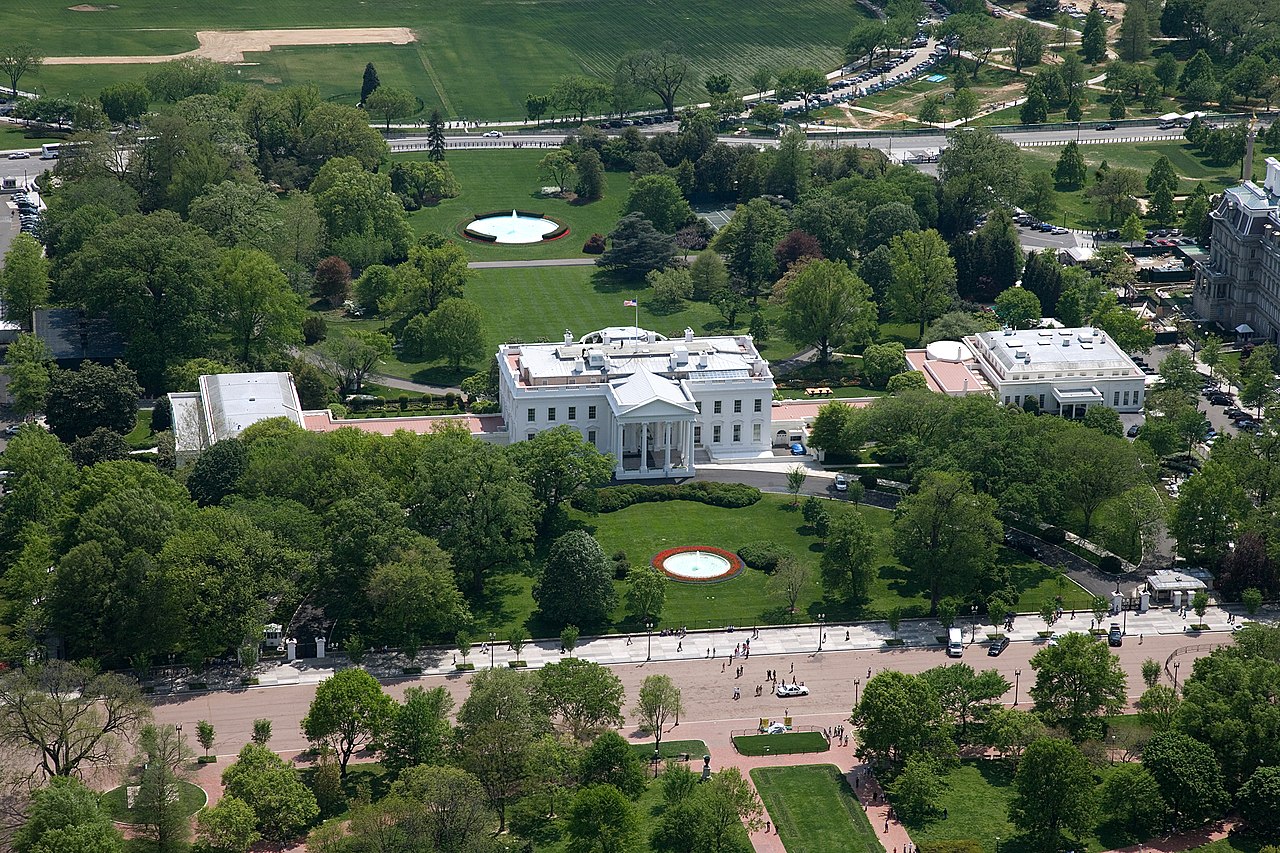
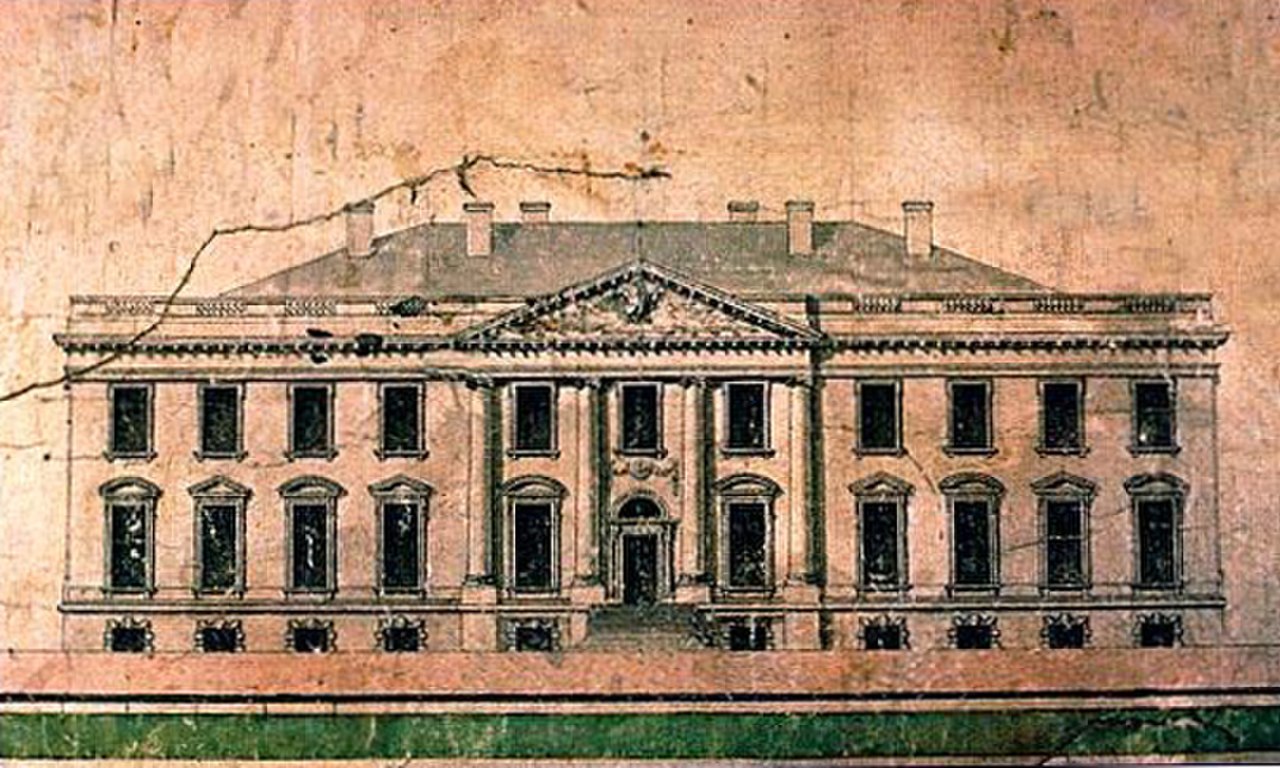
The core Executive Residence was designed in a neoclassical idiom by the Irish-born architect James Hoban. Hoban drew inspiration from European country houses and public buildings; his design is commonly linked to Leinster House in Dublin. Constructed primarily of Aquia Creek sandstone and coated with white paint early in its history, the building exhibits balanced proportions, classical detailing, and formal reception rooms arranged around ceremonial axes. Over two centuries the residence has been remodeled and extended several times to accommodate evolving needs while retaining many historic surfaces and furnishings.
Layout and principal components
The modern White House complex includes several distinct but connected elements. The Executive Residence contains public state rooms used for ceremonies and receptions, and private living quarters for the president's family. The West Wing houses the Oval Office, senior staff offices and meeting rooms that support day-to-day presidential work. The East Wing contains additional offices, event space and visitor reception areas. Nearby is the Eisenhower Executive Office Building, which provides extensive office space for staff and support functions. The President also uses an official guest residence for visiting dignitaries.
- The Executive Residence: ceremonial rooms and private apartments.
- The West Wing: Oval Office and principal executive offices.
- The East Wing: social office, visitor facilities and event space.
- Eisenhower Executive Office Building: offices for staff and agencies. Eisenhower Executive Office Building is frequently cited in administrative descriptions.
- Blair House and other guest accommodations for visiting officials.
History and preservation
Groundbreaking for the residence took place in the 1790s and the building was occupied near the end of that decade. The White House has experienced major events that shaped its fabric, including damage by British forces in the early 19th century, later expansions, and periodic restorations. In the mid-20th century a significant structural rehabilitation addressed serious stability and habitability concerns while conserving historic interiors and decorative schemes. Preservation of the property is managed in coordination with federal agencies to balance ongoing executive use with long-term conservation.
Functions, access and security
The White House is simultaneously a private home, a working office complex and a site for state functions. It hosts state dinners, official ceremonies, press briefings and high-level diplomatic meetings. The Secret Service provides protection and enforces access restrictions; many interior spaces are closed to the public for security and operational reasons. Limited public tours and educational programs are available by prior arrangement through official visitor channels, and public interpretation of the site is supported by the National Park Service and related agencies. For official workplace information see references to the workplace of the president and for preservation and visitor services consult materials from the National Park Service.
Cultural significance and public recognition
As the locus of the U.S. executive branch the White House appears frequently in art, photography, film and scholarship. Its image functions as shorthand for presidential authority and for American governance in domestic and international discourse. Architectural historians and professional organizations have recognized the building for its design and symbolic importance. Interpretive materials, historic inventories and public exhibits document the residence's architectural evolution, its role in national life and the complex logistics required to maintain a living government house.
Further reading and resources
Detailed histories, official tours and archival materials can be consulted for those seeking in-depth information about architects, alterations and events associated with the White House. Biographical and architectural sources discuss James Hoban and the influence of European models such as Leinster House on the building’s design. For administrative context and adjacent facilities, see descriptions of the Eisenhower Executive Office Building and for official visitor policies and conservation initiatives consult National Park Service guidance and White House visitor information. Additional official references and public records provide authoritative details on tours, accessibility and the building’s continuing role in American civic life.
Questions and answers
Q: Where is the White House located?
A: The White House is located at 1600 Pennsylvania Avenue in Washington, D.C.
Q: Who designed the White House?
A: The White House was designed by Irish-born architect James Hoban in the neoclassical style.
Q: What building did James Hoban model the White House on?
A: James Hoban modelled the building on Leinster House in Dublin, a building which today houses the Oireachtas, the Irish legislature.
Q: When was construction of the White House completed?
A: Construction of the White House was completed between 1792 and 1800.
Q: What materials were used to construct the White House?
A: Aquia Creek sandstone painted white was used to construct the White House.
Q: What other buildings are part of modern-day White house complex?
A: The modern-day White house complex includes Executive Residence, West Wing, East Wing, Eisenhower Executive Office Building (the former State Department) and Blair House (a guest residence).
Q: In what year did it rank second on American Institute of Architects list of "America's Favorite Architecture"?
A: In 2007, it ranked second on American Institute of Architects list of "America's Favorite Architecture".
Related articles
Author
AlegsaOnline.com White House: residence, offices, and symbol of the U.S. presidency Leandro Alegsa
URL: https://en.alegsaonline.com/art/107826
Sources
- history.com : "John Adams moves into White House"
- whitehouse.gov : whitehouse.gov
- whitehouse.gov : Theodore Roosevelt
- commons.wikimedia.org : White House