
Jack Benny: Vaudeville Violinist Who Became a Radio and Television Comedy Star
Overview of Jack Benny (Benjamin Kubelsky): life, comic persona, career from vaudeville to radio (1932–1955) and television (1950–1965), supporting cast, signature bits, and legacy.
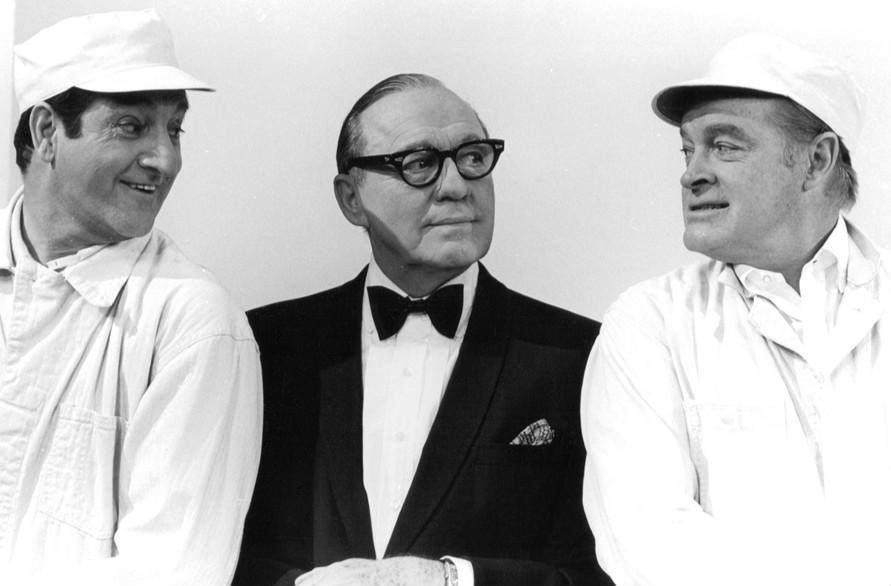
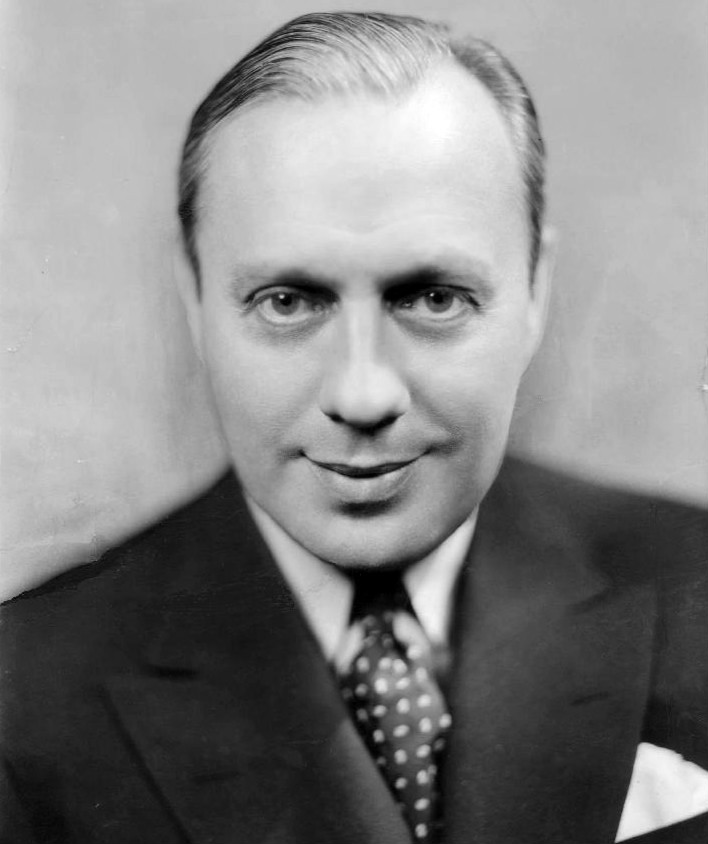
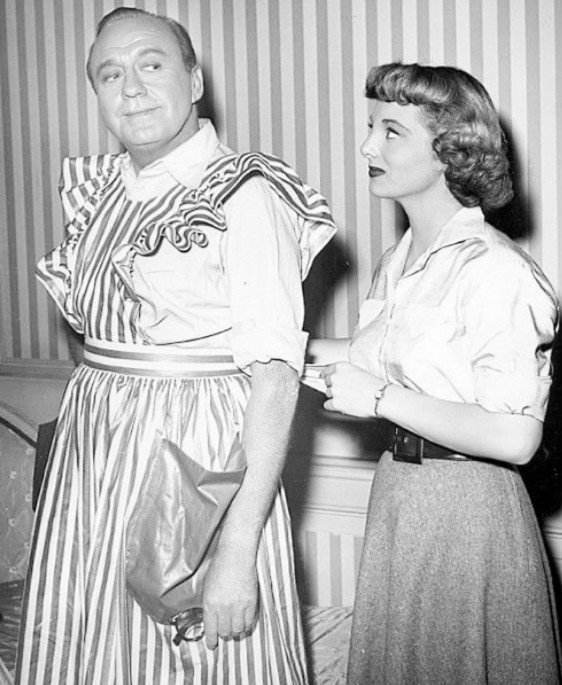
Jack Benny (born Benjamin Kubelsky; February 14, 1894 – December 26, 1974) was an American comedian and actor whose carefully crafted stage persona and timing made him one of the most influential entertainers of the 20th century. He adopted a self-mocking image — famously miserly, forever 39 years old and a mediocre violinist — that he maintained across decades of work on stage, radio, film and television.
Image gallery
10 Images






Early life and beginnings
Born in Chicago and raised in Waukegan, Illinois, Benny was the son of immigrants: his mother came from Lithuania and his father from Poland; his family background was Jewish (Jewish). He began performing as a teenage violinist in vaudeville and changed his name to Jack Benny as he moved into show business. Those early years shaped his timing, stagecraft and ability to play routine characters repeatedly with fresh nuance.
Signature persona and comic style
Benny’s comedy relied on a deadpan delivery, precise pauses and an ongoing, self-referential persona. Recurrent jokes included his supposed stinginess, the running gag about being 39, his exaggerated violin incompetence and the battered Maxwell car he owned onstage. His acting style was notable for its restraint: rather than loud buffoonery, Benny cultivated a subtle, ironic humor that made him appear both lovable and absurd.
Radio, television and ensemble cast
From 1932 to 1955 he hosted a long-running radio program, first sponsored as The Canada Dry Ginger Ale Program and later widely known as The Jack Benny Program. The show became a model of situation comedy and variety, combining self-contained sketches with recurring characters. When radio audiences migrated to TV, Benny successfully transitioned: his television series ran from 1950 to 1965 and preserved many of the radio show’s comic relationships and rhythms.
Supporting players and collaborators
- Mary Livingstone – Benny’s wife and a regular performer who contributed to the show’s comic interplay.
- Don Wilson – the announcer whose booming voice contrasted Benny’s quiet delivery.
- Rochester (Eddie Anderson) – a vaudeville and radio co-star whose role was an early sustained presence for a Black performer in network entertainment.
- Phil Harris and Dennis Day – regulars who provided musical and comic counterpoints.
Legacy and notable facts
Benny influenced generations of comics by proving a single comic persona could sustain decades of material and by showing how ensemble casts and running gags could deepen a program’s appeal. He appeared in films and made guest appearances that reinforced his public image. Critics and performers have often cited his mastery of timing and economy of delivery as essential lessons for modern comedy. For more on his work and recordings, see contemporary archives and biographies linked through general references such as vaudeville histories and broadcast anthologies (biographies, filmographies). Additional context about his hometown and family origins can be found in local histories (Chicago, Waukegan) and immigrant studies (Lithuanian, Jewish, Poland).
For lists of radio episodes, television broadcasts and surviving recordings consult broadcast archives and collections indexed by major libraries and specialty sites (radio, television). Benny’s influence endures in the way performers build a recognizable stage character and use supporting casts to sharpen comedic contrast.
Related articles
Author
AlegsaOnline.com Jack Benny: Vaudeville Violinist Who Became a Radio and Television Comedy Star Leandro Alegsa
URL: https://en.alegsaonline.com/art/121108
Sources
- jackbenny.org : "Frequently Asked Questions"
- nytimes.com : nytimes.com/1974/12/28/archives/jack-benny-80-dies-of-cancer-on-coast-jack-benny-80-dies-…