
Corruption: causes, forms, impacts and responses
Corruption is the abuse or decay of systems—political, administrative, economic or technical—that diverts resources, power or data from their intended purpose. This article explains types, causes, effects and prevention.
Corruption broadly denotes the breakdown or purposeful misuse of a system or institution so that it no longer serves its intended public function. The English word derives from the Latin corruptio, which carries the sense of decay or rotting. In everyday usage the term covers a wide range of behaviours and failures: misconduct by public officials, capture of institutions by private interests, and technical failures that spoil digital information. In this article the term system is used to emphasize that corruption often involves networks of people, rules and incentives rather than isolated acts.
Image gallery
10 Images


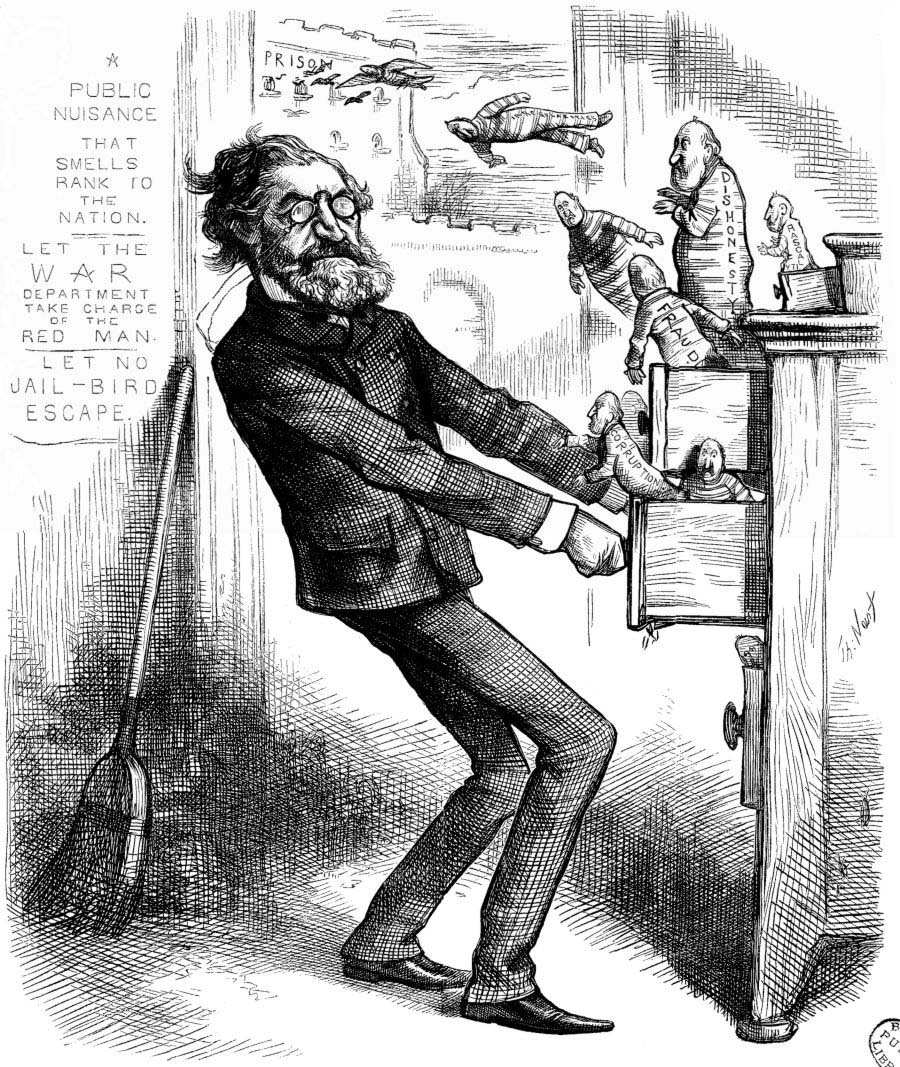

Common forms and characteristics
Corruption can appear at many levels and takes several familiar forms:
- Political and administrative: when a government or parts of it serve private ends instead of the public good, for example through favoritism or manipulation of policy.
- Personal misconduct: illegal acts by an official such as embezzlement, nepotism, or trading favours.
- Abuse of authority: using public power for private gain or to oppress opposition and dissent, a pattern sometimes described as abuse of power.
- Economic corruption: bribery, kickbacks and rigged procurement that distort markets and redistribute resources unfairly—for example when bribery affects licensing or contracts.
Technical meaning: data and software
The word also applies to computing, where it denotes damaged or altered information. A file may become unreadable because of hardware faults, transmission errors, or software bugs; a program can malfunction after installation or when infected by malicious code. Security threats such as a computer virus can deliberately corrupt data or code, producing failures that mirror the disruption seen in institutional corruption.
Origins and historical context
Complaints about corruption are ancient and widespread: ordinary institutions can be undermined when incentives reward secrecy, patronage or short-term gain. Corruption is not confined to any region or system; it becomes persistent where accountability is weak, information is scarce, and oversight mechanisms are compromised.
Consequences and responses
When corruption becomes entrenched it reduces economic efficiency, increases inequality, erodes trust in institutions and can enable other harms such as human-rights violations. Responses combine legal, institutional and societal measures: clearer rules, independent audits and courts, whistleblower protections, open data and participatory oversight. Modern tools such as e-government, digital procurement platforms and public registries can reduce opportunities for abuse, but they work best alongside active civil society and independent media.
Understanding corruption requires attention to incentives, transparency and design of institutions. Distinguishing between isolated wrongdoing and systemic capture helps identify remedies: targeted prosecutions may deter individuals, while structural reforms are needed to rebuild systems that have decayed or been captured by special interests.
Related articles
Author
AlegsaOnline.com Corruption: causes, forms, impacts and responses Leandro Alegsa
URL: https://en.alegsaonline.com/art/23242