
Helmut Kohl: Chancellor of German Reunification and European Integration
Profile of Helmut Kohl (1930–2017), German CDU leader and long-serving chancellor who guided reunification and championed European unity, with overview, career, policies, controversies and legacy.
Overview
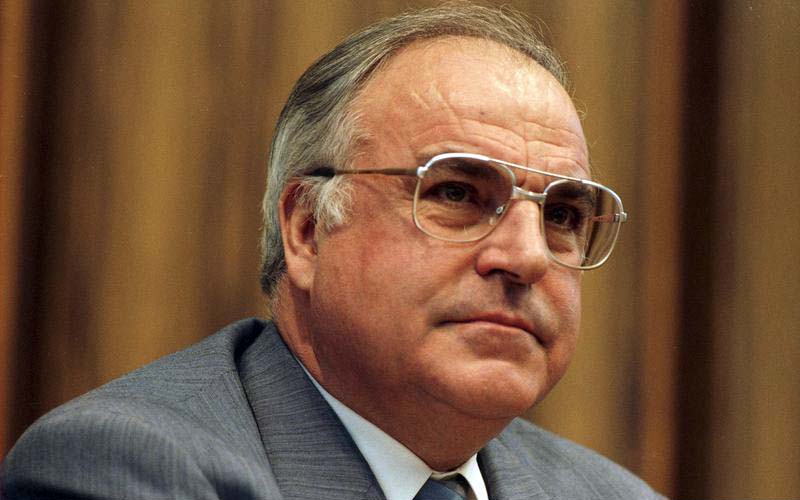
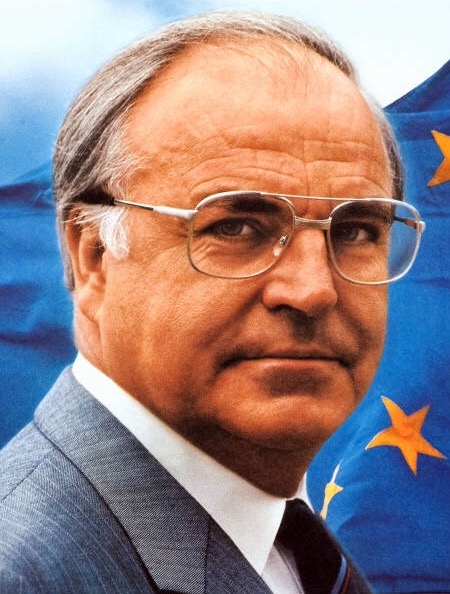
Helmut Josef Michael Kohl (3 April 1930 – 16 June 2017) was a prominent German politician who led the Christian Democratic Union (CDU) and served as chancellor during a transformative era. He became the last head of government of West Germany and, after 1990, the first chancellor of a reunified Germany. Kohl is often remembered for his central role in the diplomatic, political and administrative process that reunited East and West Germany and for his commitment to European integration.
Image gallery
10 Images



Political career and positions
Kohl's rise in politics included service as Minister President of Rhineland-Palatinate from 1969 to 1976 and leadership of the CDU for many years. He led the federal government from 1982 until 1998, making him one of the longest-serving postwar chancellors. During his tenure he worked on economic, social and foreign policy matters, and he built relationships with contemporaneous leaders such as Ronald Reagan and Margaret Thatcher, figures often invoked to describe the conservative consensus of the 1980s.
Reunification and European integration
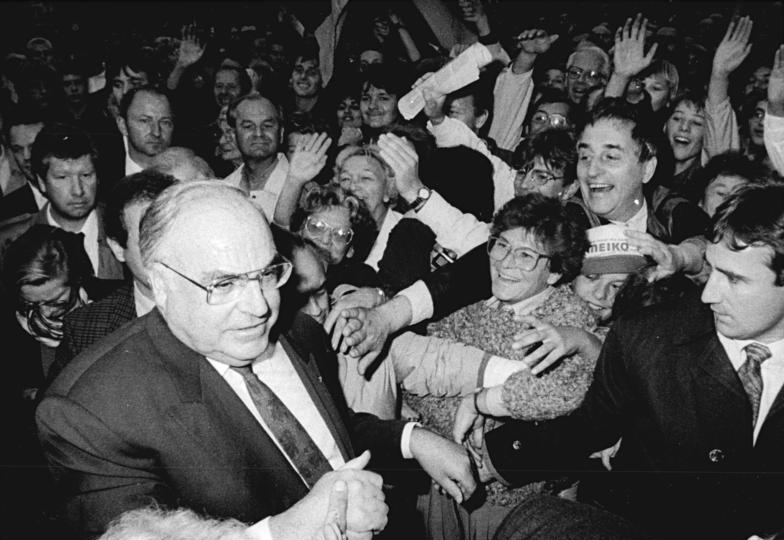
Kohl played a leading diplomatic role during the events of 1989–1990 that led to German reunification. His government negotiated with domestic political actors and with the four Allied powers, while also coordinating with neighboring states and European institutions. Kohl was a strong advocate for deeper European cooperation and monetary and political integration; his administration supported initiatives that advanced the project of a united Europe.
Policies, style and notable actions
Domestically, Kohl's governments pursued market-oriented reforms alongside social policy programs intended to manage the costs of reunification and to modernize infrastructure in the former East Germany. Internationally, he emphasized Atlantic ties and European partnership. Observers compared his political style and priorities with other conservative leaders of his era and highlighted his ability to combine long-term vision with pragmatic coalition-building.
Controversies and later years
Kohl's reputation was dented in later years by the CDU donation affair, a party funding scandal that prompted inquiries, criticism and legal scrutiny of contributors and party officials. Questions about party law compliance and transparency affected public perceptions of his legacy. Despite this, many analysts continued to credit him with decisive leadership during reunification and with shaping the course of European integration.
Timeline and legacy
- Minister President of Rhineland-Palatinate (1969–1976).
- Longtime CDU leader and chief architect of conservative strategy in federal politics.
- Federal Chancellor of the Federal Republic of Germany (1982–1998), leading through reunification.
- Key participant in the process of German reunification and in steps toward European unity.
Kohl retired from the chancellorship after the 1998 election, when the Social Democratic Party under Gerhard Schröder took office. He spent his later years away from day-to-day politics, remaining a consequential figure in discussions about Germany's postwar development. He died on 16 June 2017 in Ludwigshafen, his birthplace, an event noted across national and international media. Details of his life, policy record and the controversies that touched his career continue to be studied by historians and political analysts seeking to understand late-20th-century Europe. For further context see related biographical and institutional sources such as entries on political office, party history and regional governance: party law and funding, local biography and additional background materials on West German history and broader European developments.
Key aspects of Kohl's public life illustrate the interaction of domestic politics and international diplomacy: electoral leadership, state-level experience, major constitutional change, and enduring debates about transparency and political finance. His record remains a central reference point in discussions about reunification, German foreign policy and the European project.
Related articles
Author
AlegsaOnline.com Helmut Kohl: Chancellor of German Reunification and European Integration Leandro Alegsa
URL: https://en.alegsaonline.com/art/120485
Sources
- bbc.com : "Obituary: Helmut Kohl"
- Helmut Kohl