
Helmut Schmidt — German chancellor, statesman and crisis manager
Helmut Schmidt (1918–2015) was a German Social Democratic statesman who served as Chancellor from 1974 to 1982, known for pragmatic crisis leadership, fiscal management and influence on European and transatlantic affairs.
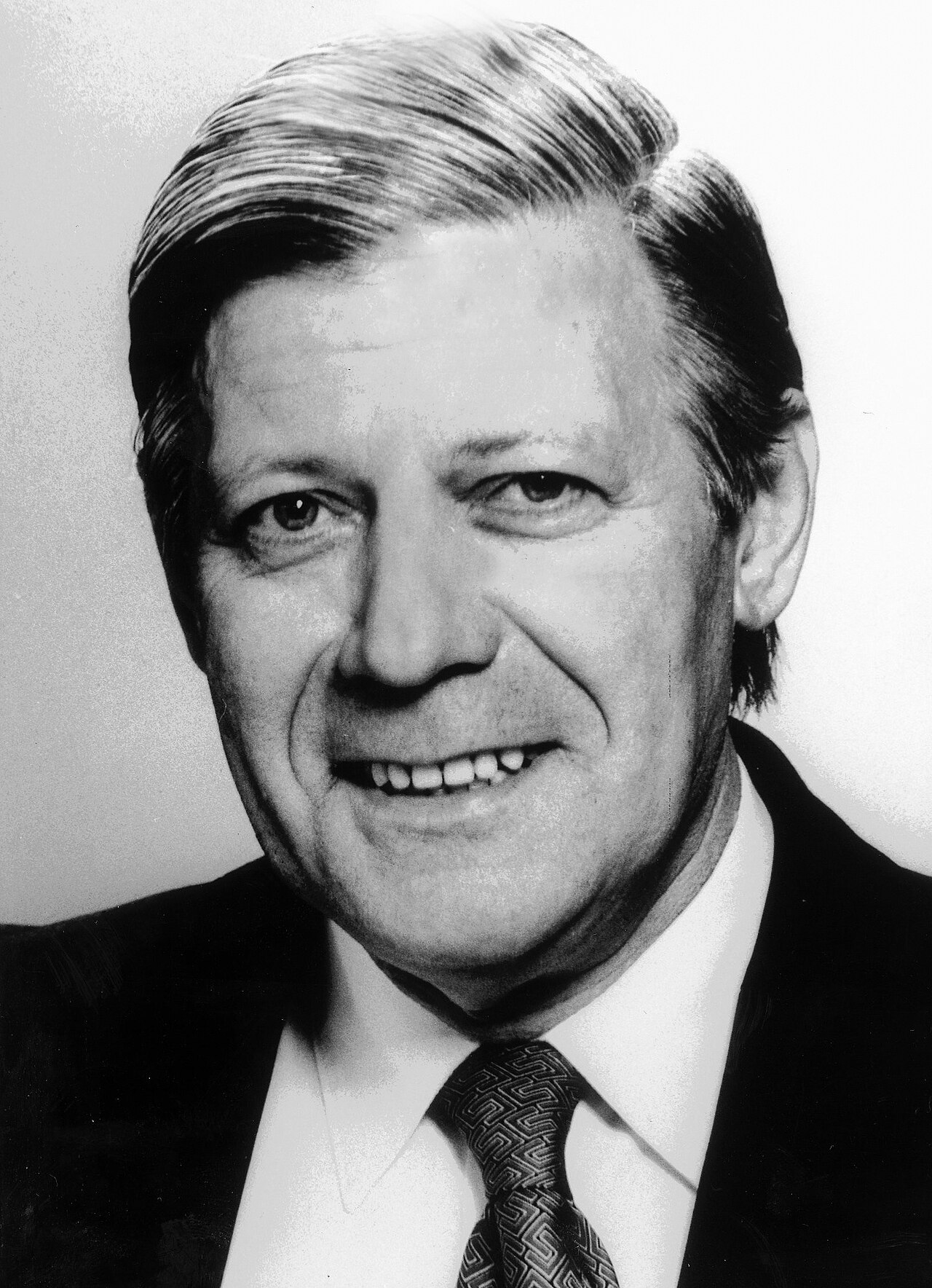
Helmut Heinrich Waldemar Schmidt (23 December 1918 – 10 November 2015) was a German politician, administrator and public intellectual best known for serving as Chancellor of the Federal Republic of Germany from 1974 to 1982. A leading figure of the Social Democratic Party, he combined training in economics, wartime service and decades in public administration to become a prominent manager of government during turbulent years in the 1970s and early 1980s.
Image gallery
10 Images





Early life and wartime service
Schmidt was born in Hamburg and completed his secondary education with the Abitur in 1937. Like many of his generation, he served in compulsory labour service and later as an officer in the armed forces during World War II. By 1945 he held the rank of First Lieutenant and was taken prisoner of war; after release he returned to civilian life and studied economics. His wartime experiences and early administrative posts in Hamburg shaped a practical, disciplined approach to public affairs.
Political rise and ministerial career
After the war Schmidt became active in the Social Democratic movement and was elected to the Bundestag in 1953. He served in the city‑state government of Hamburg in the 1960s and moved to federal office at the end of the decade. From 1969 to 1972 he was Federal Minister of Defence and from 1972 to 1974 Federal Minister of Finance. These ministerial roles gave him experience in budgeting, defence planning and coordination between federal and regional authorities, and they built his reputation as a sober administrator who valued expertise and steady implementation.
Chancellorship (1974–1982)
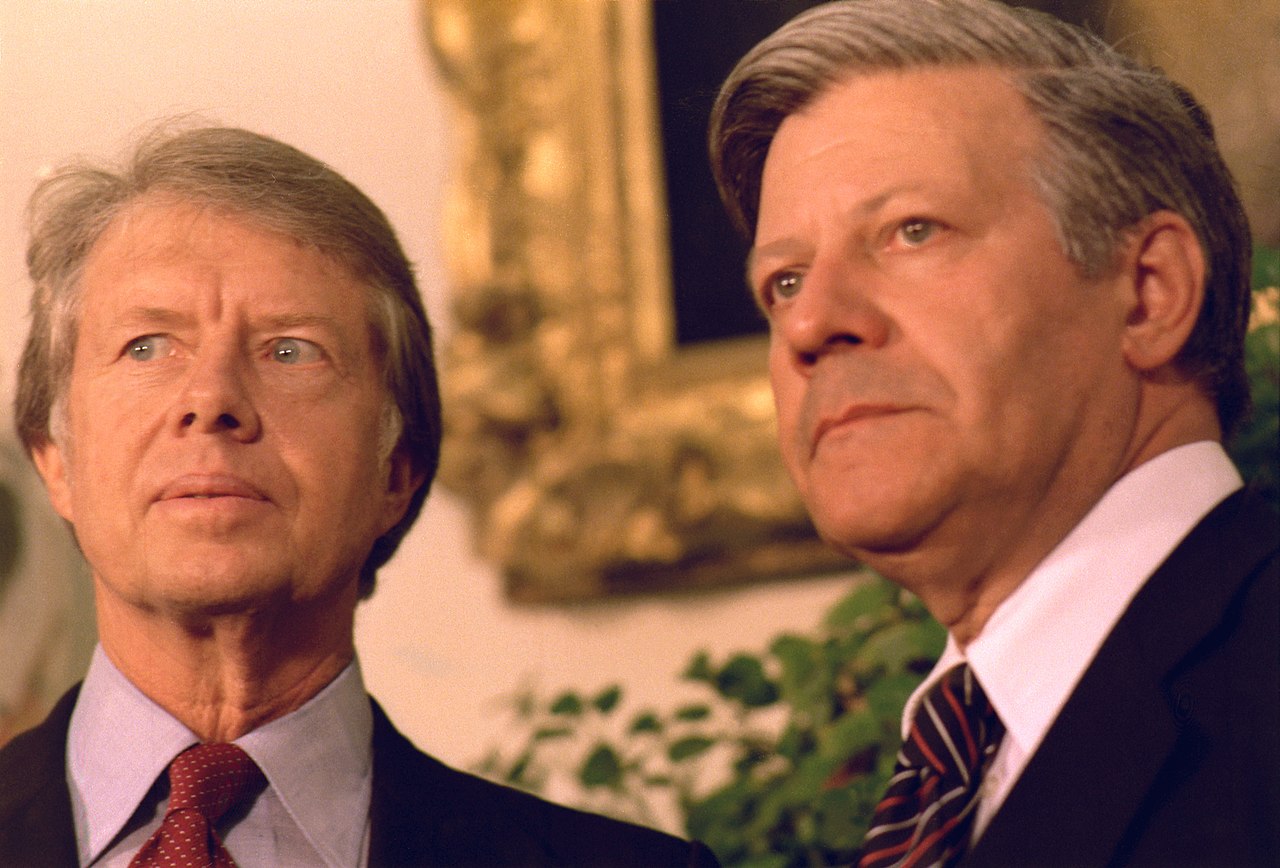
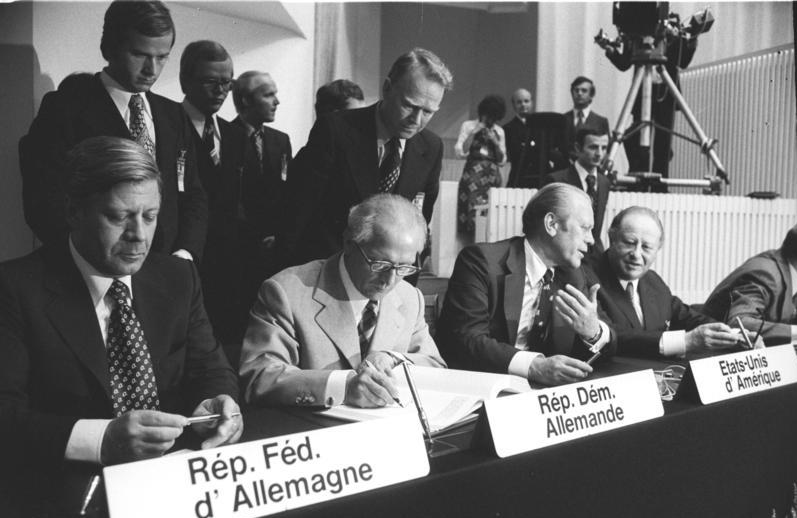
When Willy Brandt resigned in 1974, Schmidt succeeded him as Chancellor. His term coincided with a difficult international and domestic environment: the 1973 oil shock and its economic aftermath, industrial restructuring, rising unemployment and inflationary pressures, and a campaign of left‑wing terrorism in West Germany culminating in the events of the "German Autumn." Schmidt led a coalition government with the Free Democratic Party and pursued a mix of fiscal restraint and social‑market policies designed to stabilise the economy while preserving the welfare state. He maintained West Germany's firm commitment to NATO and transatlantic ties while supporting deeper European cooperation.
- Faced with international energy disruption and stagflation, his government sought to reconcile budgetary discipline with social protections.
- During the terrorism of the 1970s his administration authorised law enforcement and specialist operations to end hijackings and free hostages, actions that were widely debated and that underscored the security challenges of the era.
- Political tensions within his coalition eventually led to a parliamentary shift in 1982 and his replacement as chancellor, marking a turning point in the party system and government policy direction.
Later life and public influence
After leaving office Schmidt remained active as an essayist, columnist and public commentator. He wrote on economics, security policy and European integration and was widely respected across party lines for his direct, disciplined public manner and his emphasis on competent administration. He continued to speak and write about transatlantic relations, European cooperation and global security into advanced age. A widely reported anecdote from 2013 described him purchasing a substantial stock of cigarettes because he feared future restrictions; the story was indicative of his continued public visibility and occasionally quirky independence of mind.
Death and legacy
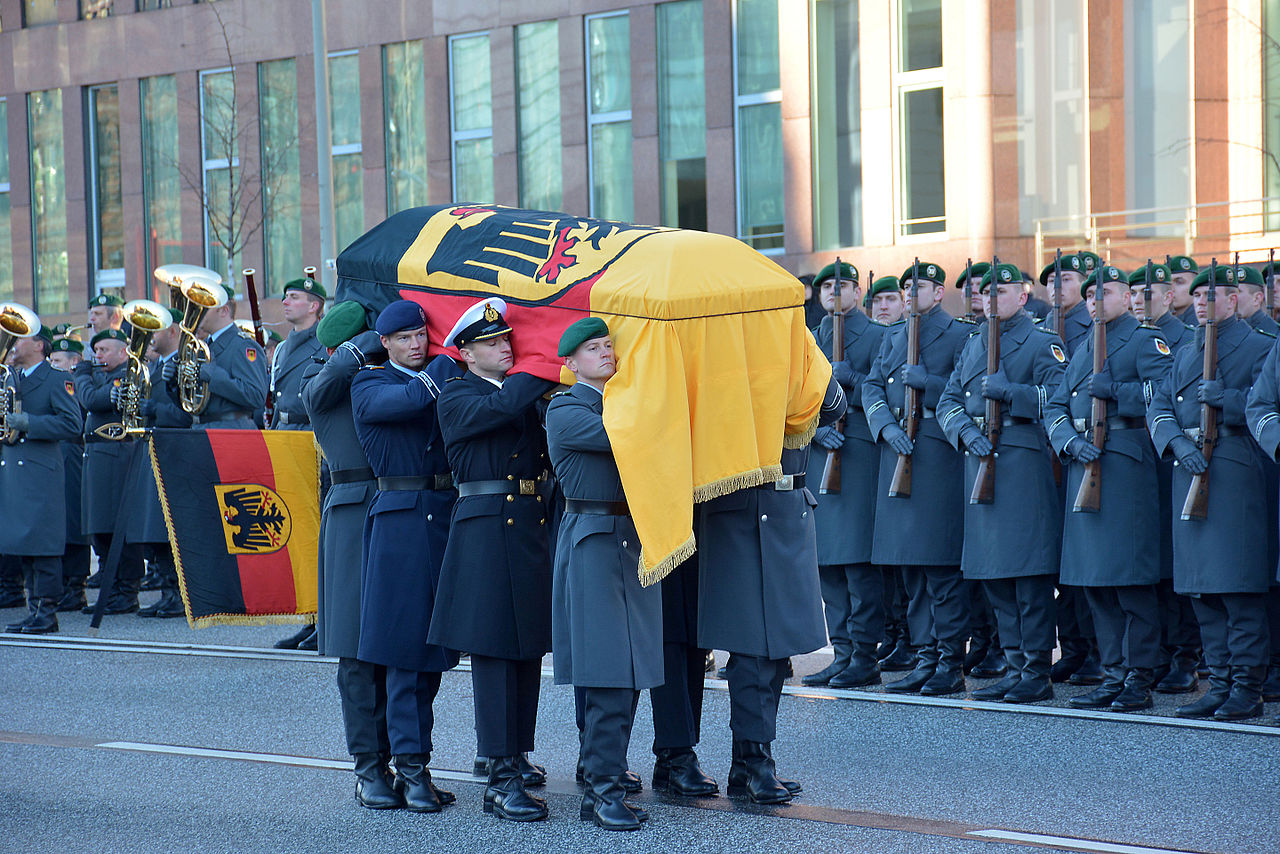
Helmut Schmidt died in Hamburg on 10 November 2015 following complications after surgery to treat a pulmonary blood clot. He was 96. Historians and commentators remember him for steady crisis leadership, a managerial approach to government, and a long engagement with European and transatlantic affairs. His life is often studied as an example of postwar political moderation, pragmatic social democracy and the challenges of governing in an era of rapid economic and social change.
Related topics and further reading: Chancellor (office), Hamburg, Abitur, World War II, First Lieutenant, prisoner of war, Social Democratic Party of Germany, Hamburg state government, Willy Brandt, Europe (regulation debates)
Questions and answers
Q: When was Helmut Schmidt born?
A: Helmut Schmidt was born in Hamburg in 1918.
Q: What did he do after finishing school in 1937?
A: After finishing school in 1937, he had to join the working service and later the army.
Q: When did he become a prisoner of war?
A: He became a prisoner of war in 1945.
Q: What did he study after being set free from captivity?
A: After being set free, he started to study macro economy and finished his studies in 1949.
Q: When did Schmidt join the Social Democratic Party of Germany?
A: Schmidt joined into the Social Democratic Party of Germany in 1949.
Q: What position did he hold from 1961 to 1965?
A: From 1961 to 1965, he was Senator in the state government of Hamburg.
Q: What caused his death at age 96?
A; Schmidt died at age 96 due to complications from surgery for a blood clot on his left leg.
Related articles
Author
AlegsaOnline.com Helmut Schmidt — German chancellor, statesman and crisis manager Leandro Alegsa
URL: https://en.alegsaonline.com/art/120486
Sources
- thecommentator.com : "Former German leader Helmut Schmidt buys 38,000 menthol cigarettes to avoid EU ban"
- bbc.com : "German ex-Chancellor Schmidt dies at 96"
- tagesschau.de : "Altkanzler Helmut Schmidt ist tot"