
Hendrik Verwoerd: Prime Minister of South Africa and Architect of Apartheid
Overview of Hendrik F. Verwoerd (1901–1966), National Party leader who shaped apartheid policy, led South Africa’s transition to a republic, survived an earlier attempt on his life and was assassinated in office.
Overview
Hendrik Frensch Verwoerd (1901–1966) was a dominant figure in mid-20th century South African politics, serving as the head of government from 1958 until his death in 1966. A leading member of the National Party, he is most widely known for designing and implementing the legal and administrative framework of racial segregation that became known as apartheid. His tenure reshaped South Africa’s institutions, international relationships and the daily lives of millions of people.
Image gallery
9 Images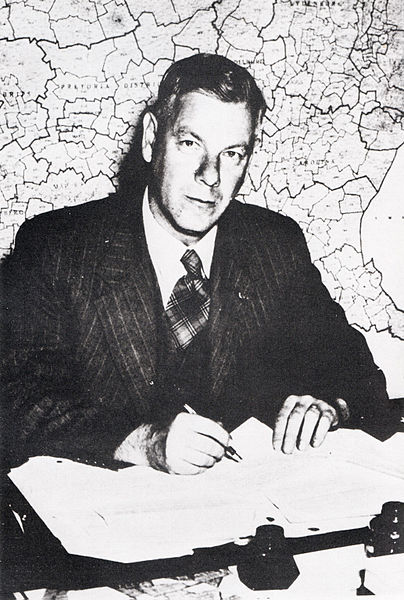




Early life and political rise
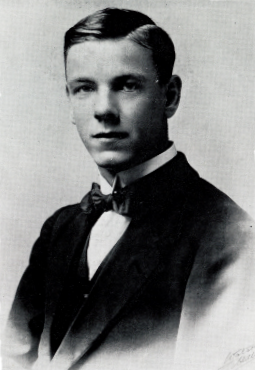
Born in the Netherlands and taken to southern Africa as a child, Verwoerd rose within Afrikaner nationalist circles and the National Party. In the 1950s he held the portfolio responsible for policies toward the country's black majority, and in 1958 he became Prime Minister of South Africa. From these positions he promoted a state-directed program of segregated development and social regulation that sought to codify and extend racial separation across education, residence, employment and political rights.
Policies and administration
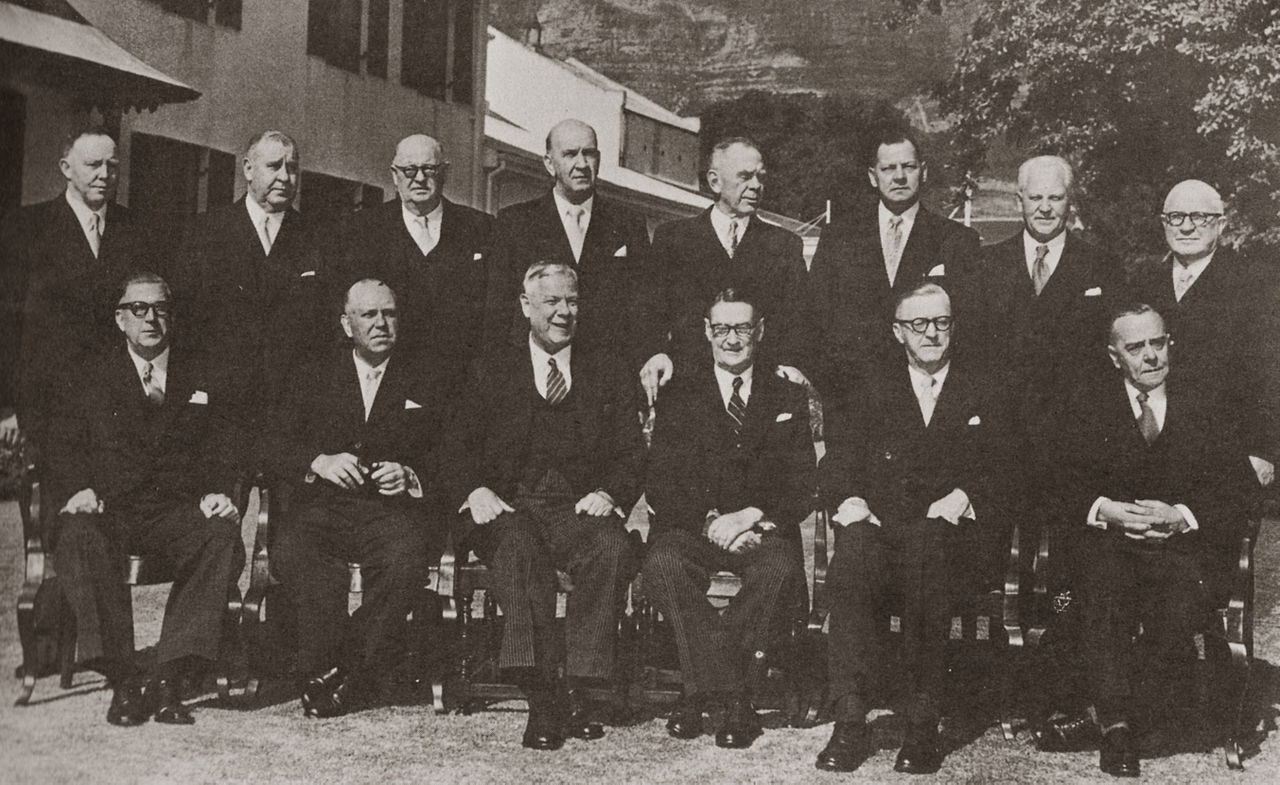
Verwoerd framed apartheid as a formal and, in his words, a ‘‘policy of good neighbourliness.’’ Under his authority the government enacted measures to institutionalize separate provision of services and governance. Important elements associated with his period in office include the expansion of territorial segregation through the creation of nominally self-governing ‘‘homelands’’ (often called Bantustans), and the enforcement of racially defined labor and movement controls. Verwoerd also oversaw the passage and implementation of laws that reshaped schooling for black South Africans, most notably the Bantu education system, which placed educational control under central government policy.
Major events: referendum, security and attempts on his life
Verwoerd presided over a referendum in 1960 that asked white voters whether South Africa should remain a Commonwealth realm under the British monarch or become an independent republic. A narrow majority supported the move to a republic, and South Africa formally became a republic in 1961, which altered the country’s international standing and its membership in some Commonwealth institutions. During his tenure the government invested in expanding national defence and local arms production, developments that contributed to later strategic programs. Verwoerd also survived a near-fatal attack in 1960 when he was shot by an assailant; the attempt failed to remove him from office.
Assassination and immediate aftermath
On 6 September 1966 Verwoerd was stabbed during a parliamentary session in Cape Town by Dimitri Tsafendas, a parliamentary messenger. Colleagues restrained the attacker and medical assistance was attempted at the scene; members trained in medicine performed emergency measures and Verwoerd was transported to hospital where he was pronounced dead. Accounts of the episode describe attempts at resuscitation, including basic life-saving measures such as cardiopulmonary resuscitation, but these were not successful.
Legacy and historical assessment
Verwoerd's legacy is highly contested and remains central to debates about South Africa's 20th-century history. Supporters at the time praised his commitment to Afrikaner self-determination and to a vision of distinct communal development. Critics and most international observers condemned the human and civil-rights impacts of the apartheid system he helped formalize: forced removals, curtailed political representation, and persistent economic and social inequalities. In subsequent decades, legal changes and political transformation dismantled apartheid, and historians and human-rights scholars continue to assess Verwoerd’s role as the chief architect of policies that produced long-lasting division and suffering.
Key facts
- Born in the Netherlands; emigrated to southern Africa at age two.
- Served as Minister responsible for native affairs in the 1950s and as Prime Minister 1958–1966.
- Often described as the principal architect of apartheid.
- Oversaw the 1960 referendum that led to the 1961 republic.
- Survived a 1960 shooting attempt and was assassinated in 1966.
Questions and answers
Q: When was Hendrik Frensch Verwoerd born?
A: Hendrik Frensch Verwoerd was born on 8 September 1901.
Q: Where were his parents from?
A: His parents were from the Netherlands.
Q: What position did he hold in 1950?
A: In 1950, Verwoerd became Minister of Native Affairs.
Q: Who attempted to murder him in 1960?
A: In 1960, a white farmer named David Pratt attempted to murder Verwoerd by shooting him.
Q: What referendum did he announce in 1960?
A: In 1960, Verwoerd announced that he planned to hold a referendum in South Africa on whether to remain a Commonwealth realm under the British monarch's rule or become a republic.
Q: When did South Africa become a republic?
A: South Africa became a republic on May 31, 1961.
Q: What military developments successfully made by the National Party government under Verowoerd?
A: The National Party government under Verowoerd successfully made new developments in arms production including aircraft, small arms, armed vehicles, and even nuclear weapons.
Related articles
Author
AlegsaOnline.com Hendrik Verwoerd: Prime Minister of South Africa and Architect of Apartheid Leandro Alegsa
URL: https://en.alegsaonline.com/art/120490
Sources
- britannica.com : "Hendrik Verwoerd - prime minister of South Africa"
- ccms.ukzn.ac.za : "Culture, Communication and Media Studies – Freedom Square-Back to the Future"
- news.google.com : news.google.com/newspapers?id=2XpCAAAAIBAJ&sjid=KasMAAAAIBAJ&pg=5546,487559&dq=hendrik+ve…