
Edward VI of England: boy king and architect of English Protestantism
Edward VI (1537–1553), Henry VIII’s son, reigned as King of England and Ireland from 1547 to 1553. His short rule saw vigorous Protestant reform, regency government, foreign campaigning in Scotland, and a disputed succession.
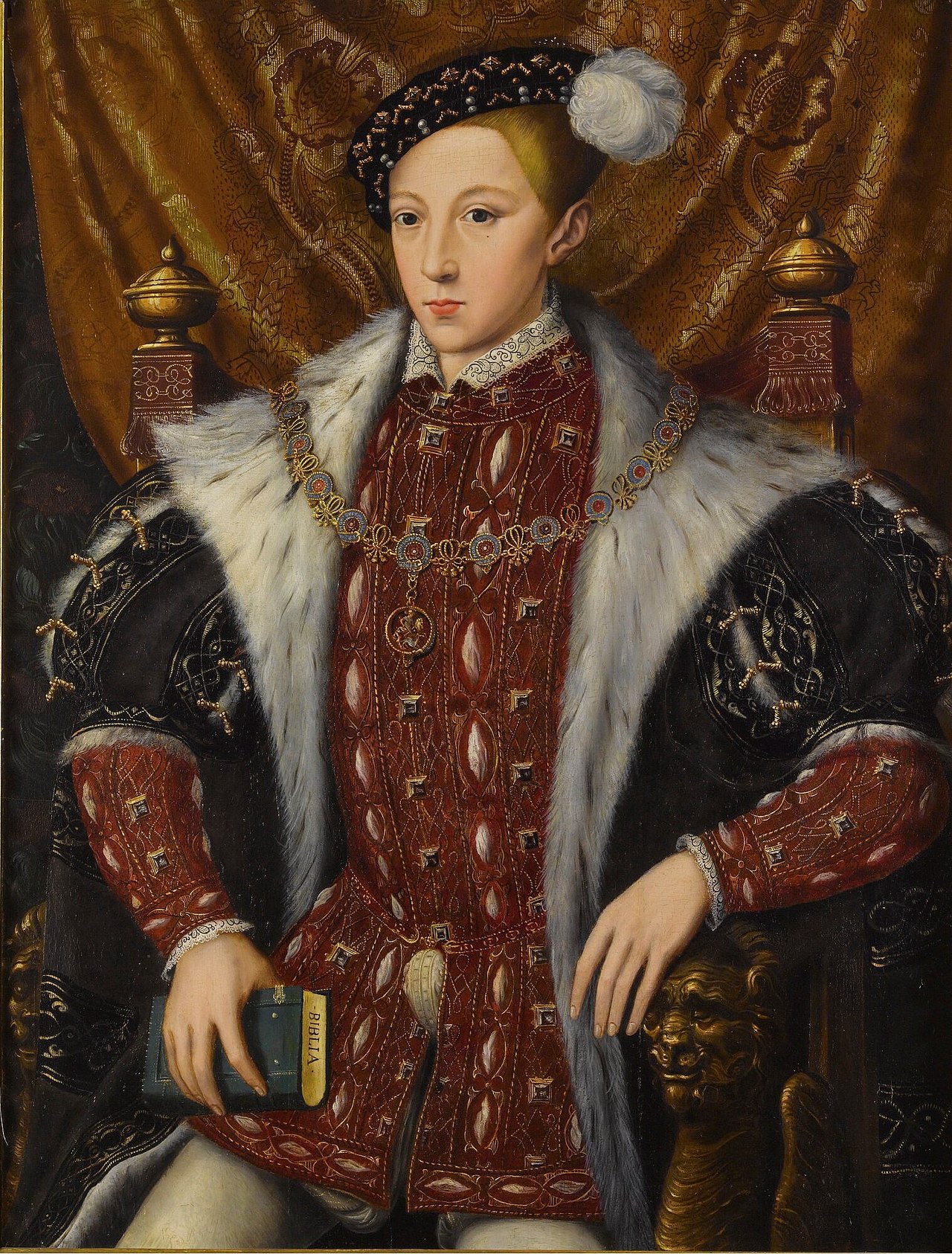
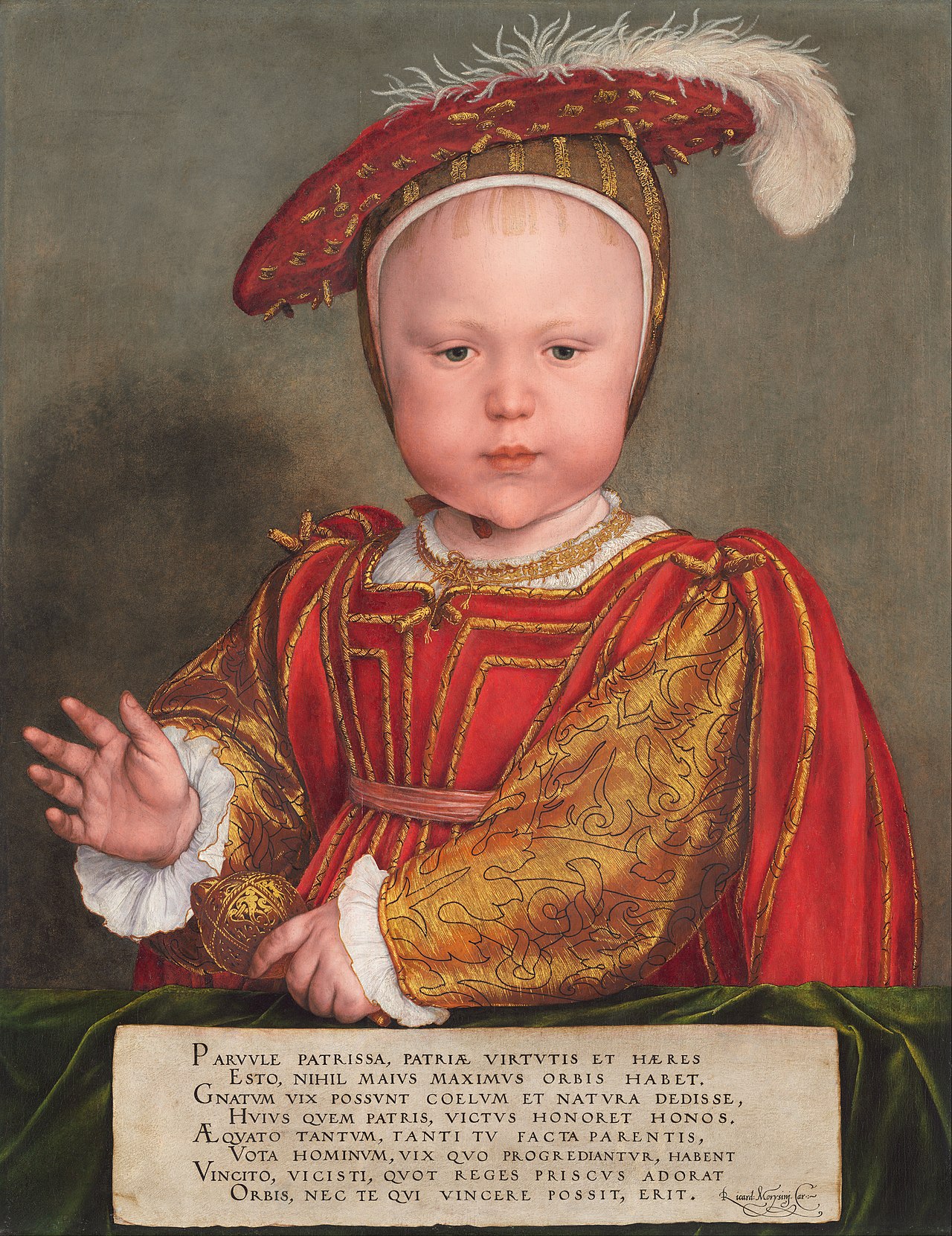
Edward VI was the only legitimate son of Henry VIII and Jane Seymour and reigned as king of both England and Ireland from 1547 until his death in 1553. Born in October 1537, he became monarch as a child and presided over a period of intense religious and political change. His reign is remembered for the acceleration of Protestant reforms in the English church, the prominence of powerful noble regents, and a turbulent succession at its close.
Image gallery
10 Images




Early life and accession
Edward was the son of Henry VIII and Jane Seymour, who died shortly after his birth. As the only legitimate male heir he took precedence over his older half-sisters, Mary and Elizabeth, under the laws of succession of the time. When Henry VIII died in January 1547, the nine-year-old Edward became king. Because of his age, government was exercised by a council of nobles and advisers or regents, who effectively ruled in his name while directing policy and religion.
Regency and chief ministers
The first leading figure at court was Edward’s uncle, Edward Seymour, Duke of Somerset, who took the title of Lord Protector and governed as head of the council. Somerset guided the early years of the reign, pursuing an energetic programme of reform and a foreign policy that sought advantage in Scotland. Later, power shifted to John Dudley, Duke of Northumberland, who dominated the later regency and steered religious measures and court politics until Edward’s death.
Religious change and administration
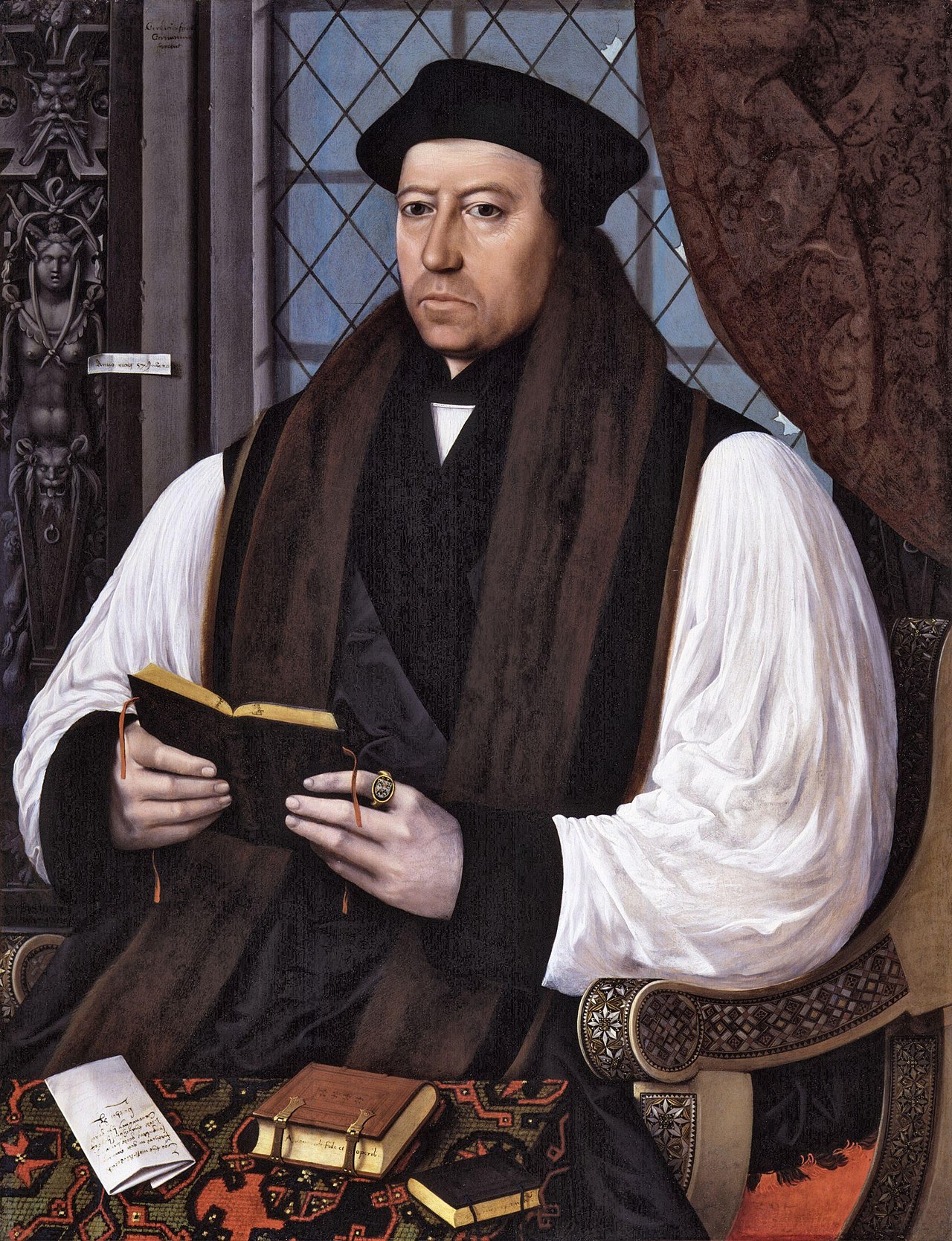
Edward’s reign marked a decisive move toward Protestantism. Although Henry VIII had separated the English crown from the Roman papacy, it was under Edward that doctrinal and liturgical change deepened. Archbishop Thomas Cranmer and others advanced reforms within the Church of England, introducing English-language worship and revised rites that reduced the sacramental role of the old Catholic practice. These changes were implemented through acts of Parliament, new liturgies and ecclesiastical ordinances, and they provoked both enthusiasm and resistance across the kingdom.
Foreign affairs, economy and unrest
The government launched military campaigns against Scotland in an effort to secure influence there; initial campaigns met with battlefield success but failed to produce a lasting political settlement. Domestically, the young reign also faced financial pressures and social unrest, including discontent over taxation, enclosures and the pace of religious change. These strains exposed the limits of a regency ruling on behalf of a minor sovereign.
Death, succession crisis and legacy
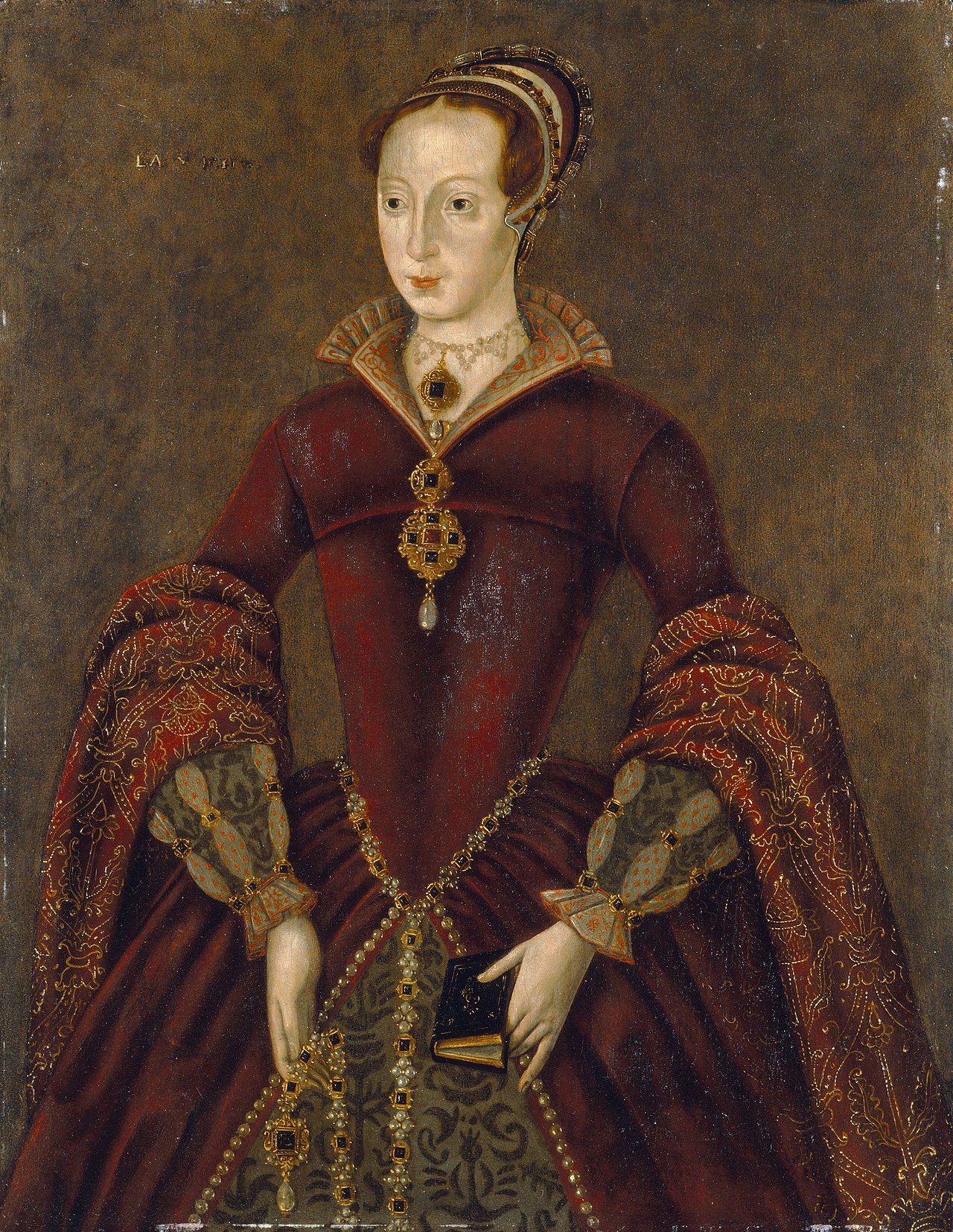
Edward’s health deteriorated and he died in July 1553 at about fifteen years of age, probably from an infectious disease such as tuberculosis. In the weeks before his death he attempted to secure a Protestant succession by naming his cousin Lady Jane Grey as his heir and excluding his half-sisters. That plan collapsed quickly when Mary asserted her claim, deposed Jane and took the throne, restoring Catholicism during her brief reign. A few years later, Elizabeth I re-established the Protestant settlement begun under Edward; historians often note that Elizabeth’s religious settlement effectively restored many of the reforms associated with his government.
Key points and significance
- Minor monarch: Edward’s youth made regents and council factions central to governance.
- Religious reform: accelerated shift toward Protestant doctrine and worship under Cranmer and leading ministers.
- Political instability: military ventures, economic distress and succession disputes marked the reign.
- Short but influential: though he reigned for only six years, Edward’s era shaped mid-16th-century English religion and politics.
For further reading on his life, the regency period and the religious transformations of the era, consult detailed biographies and studies of the English Reformation available through academic and public history collections (England, Ireland, Thomas Cranmer).
Questions and answers
Q: Who was Edward VI?
A: Edward VI was the King of England and Ireland from 28 January 1547 until his death on 6 July 1553. He was the son of Henry VIII of England and Jane Seymour.
Q: How old was Edward when he became king?
A: Edward became king at the age of 9 when his father died.
Q: Why did Edward become king instead of his two older sisters?
A: Because he was male, Edward became king instead of his two older sisters Mary and Elizabeth who were both female.
Q: Who advised and guided the young king during the first two-and-a-half years of his reign?
A: During the first two-and-a-half years of Edward's reign, Lord Somerset, also known as Edward Seymour, Duke of Somerset, advised and guided him.
Q: What major changes to the Church of England happened during Edwards' reign?
A: Most major changes to the Church of England happened during Edwards' reign which were led by Somerset, Northumberland and Archbishop Thomas Cranmer. These changes included breaking away from Roman Catholicism to Protestantism.
Q: What event occurred during Edwards' reign that ended in defeat?
A: During Edwards' reign there was an attempt to take over Scotland which started off well but ultimately ended in defeat.
Q: How did Mary respond to Edwards' reforms after she overthrew Lady Jane Grey as queen?
A: After Mary overthrew Lady Jane Grey as queen she undid all reforms made by Edwards but they were later restored by Elizabeth in 1559.
Related articles
Author
AlegsaOnline.com Edward VI of England: boy king and architect of English Protestantism Leandro Alegsa
URL: https://en.alegsaonline.com/art/118172