
Lady Jane Grey, the Nine Days' Queen
English noblewoman who was proclaimed queen in July 1553 for nine days; her brief reign, trial and execution made her a lasting symbol of Tudor succession struggles.
Overview
Lady Jane Grey (12 October 1537 – 12 February 1554) was an English noblewoman who is best known for her very short proclamation as monarch in July 1553. Often called the "Nine Days' Queen," Jane’s claim to the throne arose from Tudor succession disputes after the death of King Edward VI. Her elevation, imprisonment and subsequent execution made her a prominent figure in the turbulent politics of mid-16th century England.
Image gallery
10 Images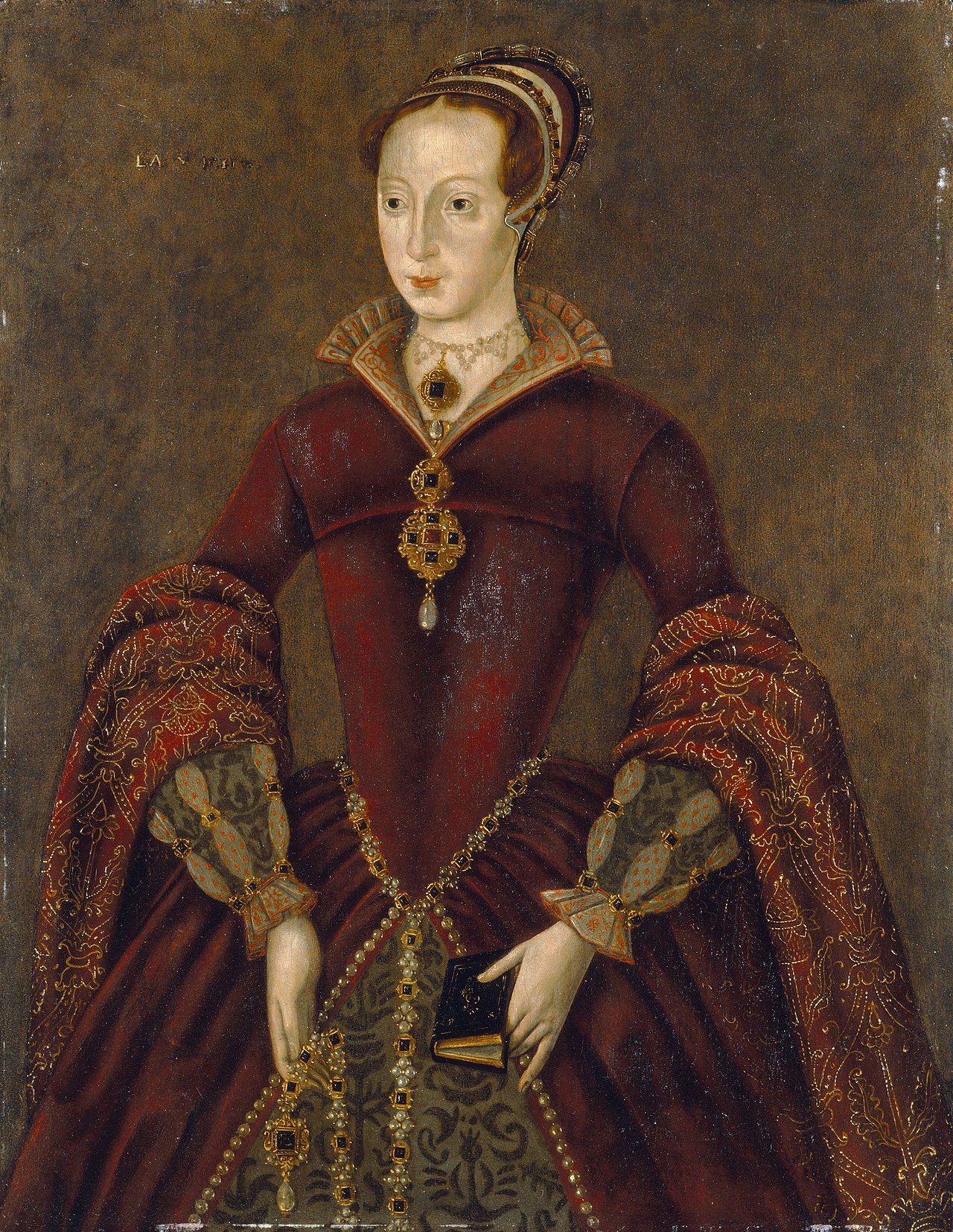



Family, upbringing and education
Jane was born into the Grey family and raised in a high-ranking household with strong royal connections. Sources identify her birthplace as either London or the family estate at Bradgate Park in Leicestershire, in what is now England. She was a granddaughter of Frances Brandon and a great-granddaughter of Henry VII through his daughter Mary, making her closely related to the royal line and a cousin-once-removed of Edward VI. Educated as a member of the nobility, Jane gained a reputation for scholarly ability and for learning languages and scripture, traits that later shaped how contemporaries and historians remembered her.
Marriage and the succession crisis
In May 1553 Jane married Lord Guildford Dudley, the son of John Dudley, Duke of Northumberland, who was a dominant political figure during Edward VI’s reign. When the young king fell gravely ill, political leaders and the king himself sought to preserve a Protestant succession. Edward’s will nominated Jane as his successor, bypassing his half-sisters, notably Princess Mary, who had a strong hereditary claim but was associated with Catholicism. On 10 July 1553 Jane was proclaimed queen in London, but her position relied heavily on the power base of the Dudley faction rather than widespread popular or noble support.
Reign, imprisonment and deposition
Jane’s effective reign lasted only from 10 July to 19 July 1553. During this time she was housed in the Tower of London, the traditional royal fortress and prison. The political tide turned quickly: many members of the Privy Council and other leading figures gave their allegiance to Mary, and public support coalesced around her claim. Jane was deposed without large-scale military conflict and became a prisoner; Mary entered London and asserted her authority as queen.
Trial, execution and causes
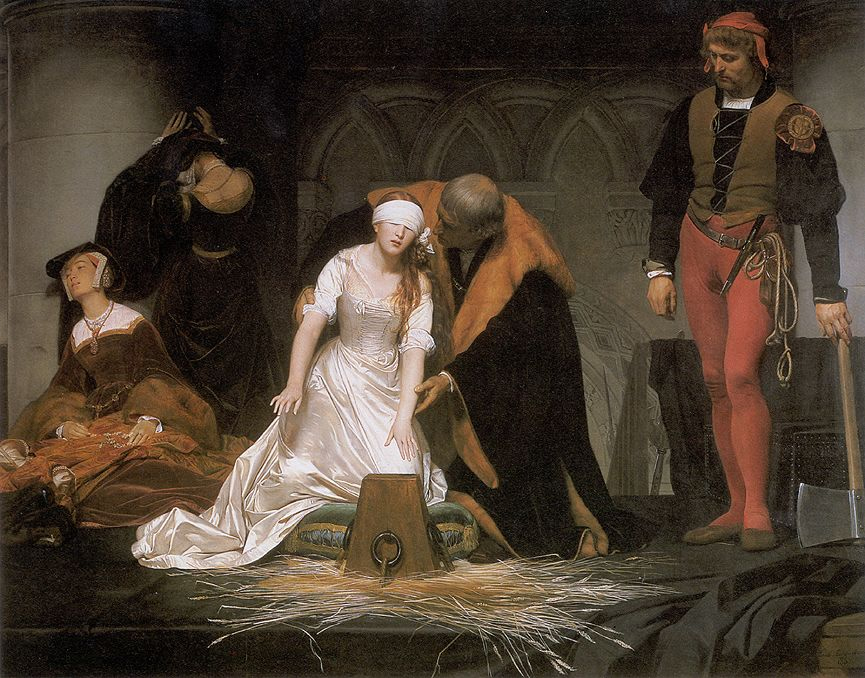
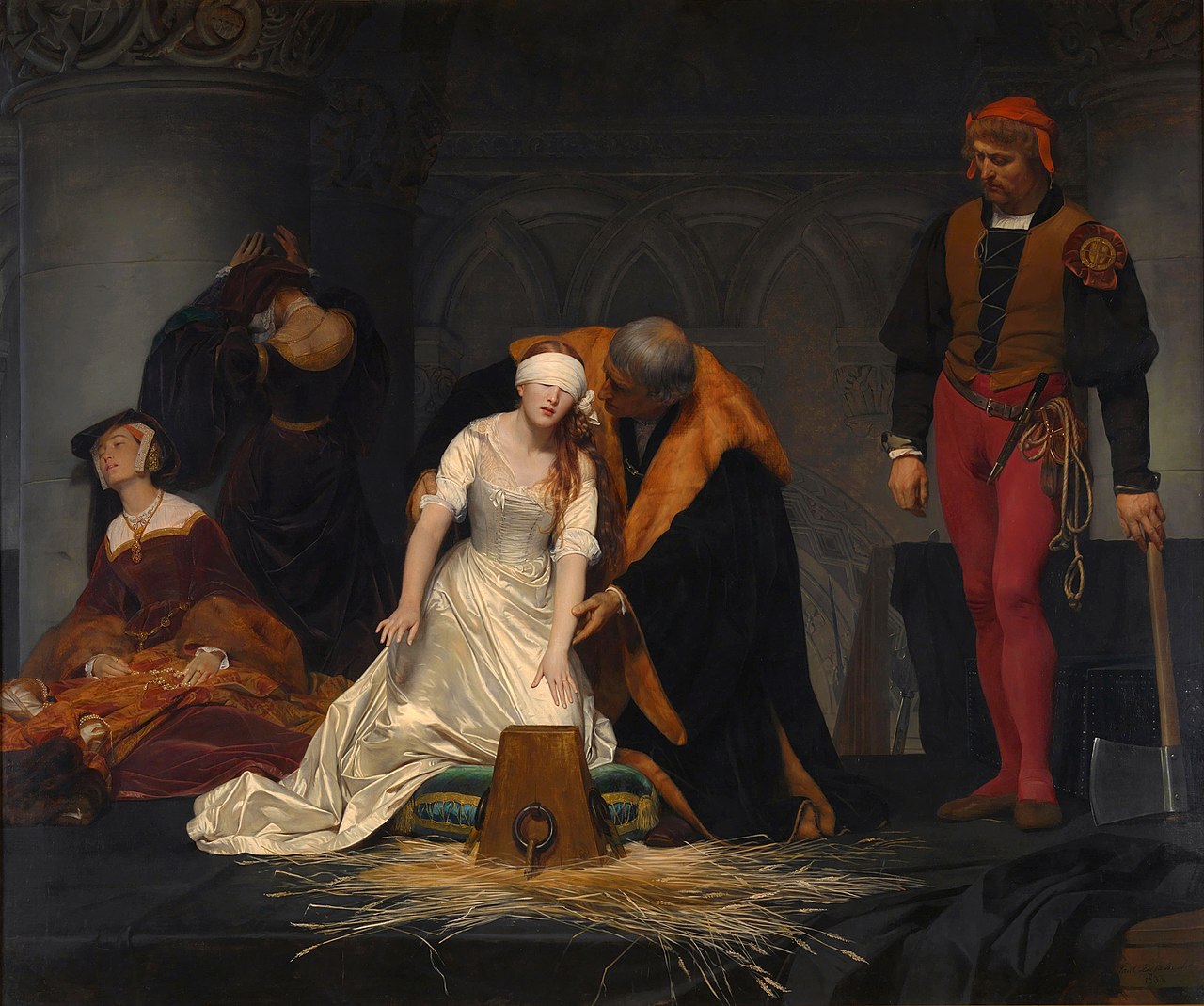
After remaining under custody for several months, Jane and her husband were tried amid the aftermath of renewed unrest. Official charges accused her of complicity in a plot to seize the throne, commonly described as high treason. The government later ordered Jane’s death; she was executed by beheading on 12 February 1554. Historians note that her execution followed Wyatt’s Rebellion, an uprising in early 1554 that threatened Mary’s rule and intensified fears about further insurrection. Jane’s youth, rank and limited agency have led many writers to view her as a victim of political manoeuvring rather than as the chief architect of the crisis.
Legacy and historical significance
Lady Jane Grey's story has attracted broad attention as a dramatic episode in Tudor history. Her brief tenure highlights conflicts over religion, succession and power in mid-Tudor England. Over centuries she has been represented variously as an innocent martyr for Protestantism, a pawn of ambitious men, and a tragic young noble caught in dynastic struggle. Key dates in her life are often summarized to illustrate the speed and stakes of Tudor politics:
- 12 October 1537 — birth (London or Bradgate Park)
- May 1553 — marriage to Guildford Dudley
- 10–19 July 1553 — proclaimed queen; deposed within days
- 12 February 1554 — execution following charges of treason and unrest connected to Wyatt’s rebellion
For further reading on her family, the political context of Edward VI’s succession and the events surrounding her deposition and death, consult specialized Tudor histories and primary documents that record the decisions of the period’s councils and courts. Contemporary interest in Jane continues, reflected in scholarly debate and public history presentations about the complexities of Tudor succession and the human cost of dynastic conflict.
Questions and answers
Q: Who was Lady Jane Grey?
A: Lady Jane Grey was an English noblewoman who briefly occupied the English throne in 1553.
Q: Why is she known as 'The Nine Days Queen'?
A: Lady Jane Grey is known as 'The Nine Days Queen' because she held the English throne for only nine days before being overthrown.
Q: When was Lady Jane Grey born?
A: Lady Jane Grey was born on October 12, 1537.
Q: Who was Lady Jane Grey's husband?
A: Lady Jane Grey's husband was Lord Guildford Dudley, the younger son of Edward's chief minister, John Dudley, Duke of Northumberland.
Q: How did Lady Jane Grey come to occupy the English throne?
A: Lady Jane Grey was nominated as successor to the Crown in the will of King Edward VI, who lay dying in June 1553, subverting the claims of his half-sisters Mary and Elizabeth.
Q: Why was Lady Jane Grey executed?
A: Lady Jane Grey was executed for high treason due to her involvement in Wyatt's rebellion in January and February 1554 against Queen Mary's plans of a Spanish match.
Q: Where did Lady Jane Grey live during her short reign?
A: Lady Jane Grey lived in the Tower of London during her short reign as queen.
Related articles
Author
AlegsaOnline.com Lady Jane Grey, the Nine Days' Queen Leandro Alegsa
URL: https://en.alegsaonline.com/art/55323
Sources
- commons.wikimedia.org : Lady Jane Grey