
List of English monarchs (924–1707)
Overview and context for the sovereigns who ruled the Kingdom of England from 924 until the 1707 union with Scotland, including roles, dynasties, notable rulers, and constitutional developments.
The monarch of England served as the supreme head of state and frequently as the head of government of the Kingdom of England. This article explains the scope and significance of the chronological lists of the Kings and Queens who reigned from about 924 until the political union that created Great Britain in 1707. It is intended as a concise reference to the sequence of rulers, the major families they belonged to, and the political changes that affected the crown.
Image gallery
10 Images


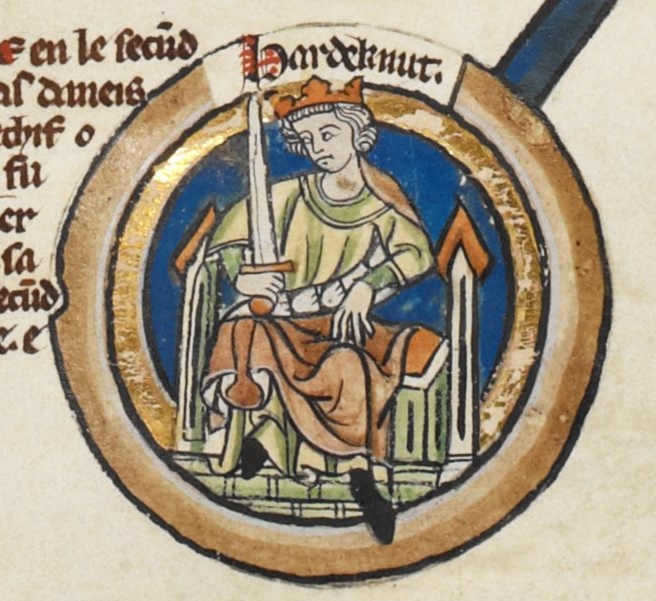

Role and succession
English succession was generally hereditary but frequently contested. Coronation, royal styles, and claims often reflected local and international politics. Over centuries the monarch's powers and responsibilities evolved: military leadership and lawgiving in earlier periods gave way to growing parliamentary influence and legal limits on royal authority in later centuries within the Kingdom of England.
Major dynasties and notable rulers
Several dynastic houses dominate English lists of rulers. Representative groups and well-known figures include:
- House of Wessex — early unified kings of England, including Æthelstan and later Wessex rulers who consolidated territory.
- Danish and Norwegian interludes — periods when Scandinavian kings held power.
- Norman dynasty — established after the invasion of 1066 and associated with William and his successors.
- Plantagenet/Angevin and later branches — long-reigning medieval lineages that include many kings named Henry and Edward.
- Tudor dynasty — notable for the English Reformation and strong royal government under rulers such as Henry VIII and Elizabeth I.
- Stuart dynasty — culminating in personal union under James VI and I and leading toward eventual parliamentary conflicts.
Constitutional change and the 1707 union
From medieval royal prerogative to the later emergence of parliamentary monarchy, English kings and queens presided over both continuity and change. Events such as civil war, legal reforms, and the Glorious Revolution reshaped the balance between crown and parliament. The separate list of English sovereigns ends in 1707 when England and Scotland formally joined as England and Scotland entered the Acts of Union, creating the Kingdom of Great Britain; subsequent monarchs are listed under the British succession.
Legacy and reference
Chronologies of English monarchs remain essential tools for students of political, legal, and cultural history. Compilations typically record regnal names, dates or reign spans, dynastic affiliation and significant events. For focused research consult comprehensive lists and primary historical records; summarized lists are a starting point for tracing the development of monarchy, law and national identity in England.
Related articles
Author
AlegsaOnline.com List of English monarchs (924–1707) Leandro Alegsa
URL: https://en.alegsaonline.com/art/124694