
Edwin Kessler — Pioneer in Doppler Weather Radar and Severe Storm Research
American atmospheric scientist (1928–2017). Early developer of Doppler weather radar techniques and first director of the U.S. National Severe Storms Laboratory, influential in radar meteorology and tornado detection.
Edwin Kessler III (December 2, 1928 – February 21, 2017) was an American atmospheric scientist best known for his role in adapting Doppler radar to the study of thunderstorms and for serving as the first director of the U.S. National Severe Storms Laboratory (NSSL). His work helped move radar meteorology from reflectivity-only observations toward systems that routinely provide velocity and circulation information, a change that greatly improved the ability to detect rotating storms and issue timely warnings.
Image gallery
1 Image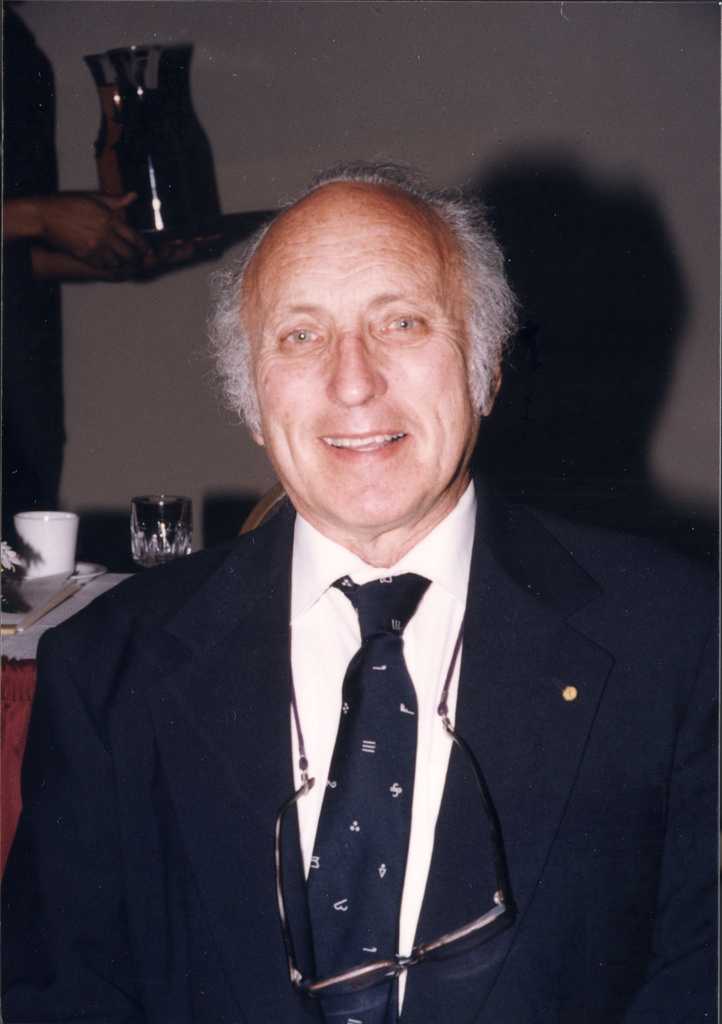
Career and leadership
As the inaugural director of NSSL, Kessler shaped research priorities that bridged basic science, instrumentation development, and operational forecasting needs. He promoted close cooperation among researchers, engineers and forecasters so that advances in storm-scale science could be translated into practical tools for weather services. Under his leadership, NSSL became a focal point for studies of convective storms, radar technology, and the transfer of research results into operational use.
Scientific contributions
Kessler was instrumental in the early application of Doppler techniques to weather radars, enabling the remote detection of wind motion within storms. This capability allowed researchers to identify mesocyclones, inflow and other rotational signatures associated with severe thunderstorms and tornadoes. He also advocated for simple, practical approaches to cloud and precipitation processes; a warm-rain microphysics parameterization commonly known in meteorology as the Kessler scheme has been widely used in convective cloud modeling and remains influential in numerical studies of precipitation processes.
Impact and legacy
- Established institutional links between research laboratories and forecast centers to accelerate research-to-operations transitions.
- Advanced radar methods that improved severe-weather warning lead times and situational awareness for forecasters.
- Supported field programs, instrument development and training that broadened the community's storm-scale knowledge.
Kessler's efforts helped set the stage for later nationwide Doppler radar deployments and modern radar-based warning systems. His emphasis on practical research, mentorship of younger scientists, and institutional collaboration left a lasting imprint on U.S. severe-weather science and operations.
Edwin Kessler died in Austin, Texas on February 21, 2017; see the obituary for details. His legacy endures in the radar technologies, operational practices and research programs that continue to reduce the societal impacts of severe convective storms.
Related articles
Author
AlegsaOnline.com Edwin Kessler — Pioneer in Doppler Weather Radar and Severe Storm Research Leandro Alegsa
URL: https://en.alegsaonline.com/art/118179
Sources
- obituaries.normantranscript.com : "Edwin Kessler: Dec 2, 1928 - Feb 21, 2017"
- normantranscript.com : "Norman mourns 'Father of Doppler radar'"