
Thomas Cranmer: Archbishop, Reformer, and Compiler of the Book of Common Prayer
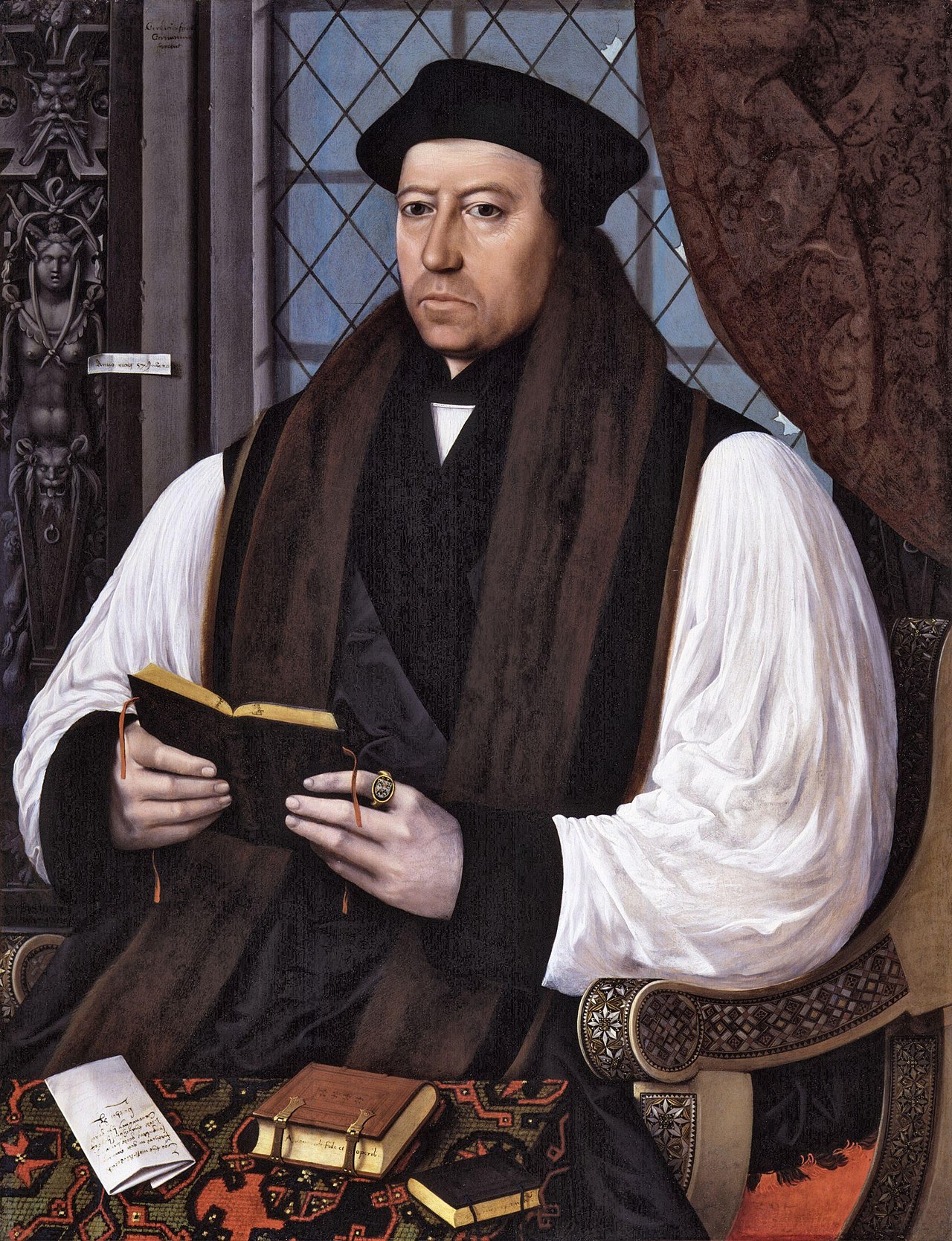
Thomas Cranmer (1489–1556) was Archbishop of Canterbury and a principal architect of the English Reformation, best known for the Book of Common Prayer and his role under Henry VIII and Edward VI.
Overview
Thomas Cranmer (1489–1556) was a leading English churchman and a central figure in the English Reformation. As Archbishop of Canterbury, he helped shape the emerging Church of England during the reign of Henry VIII and continued to influence worship and doctrine under Edward VI. He is best known for his role in producing the Book of Common Prayer, a liturgical standard that profoundly affected English worship.

Image gallery
10 Images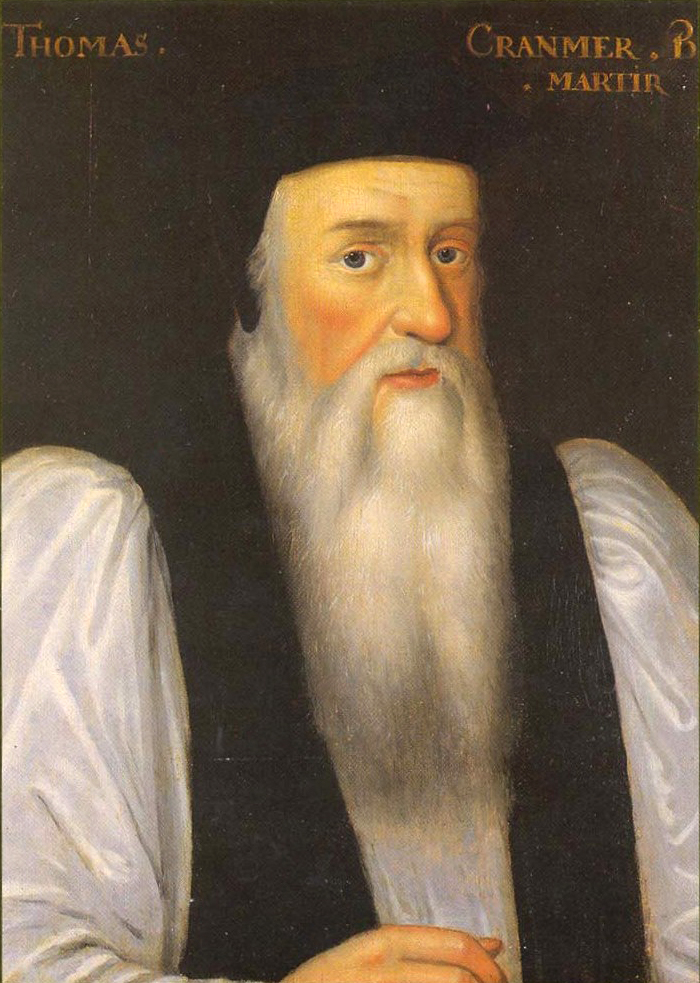




Life and career
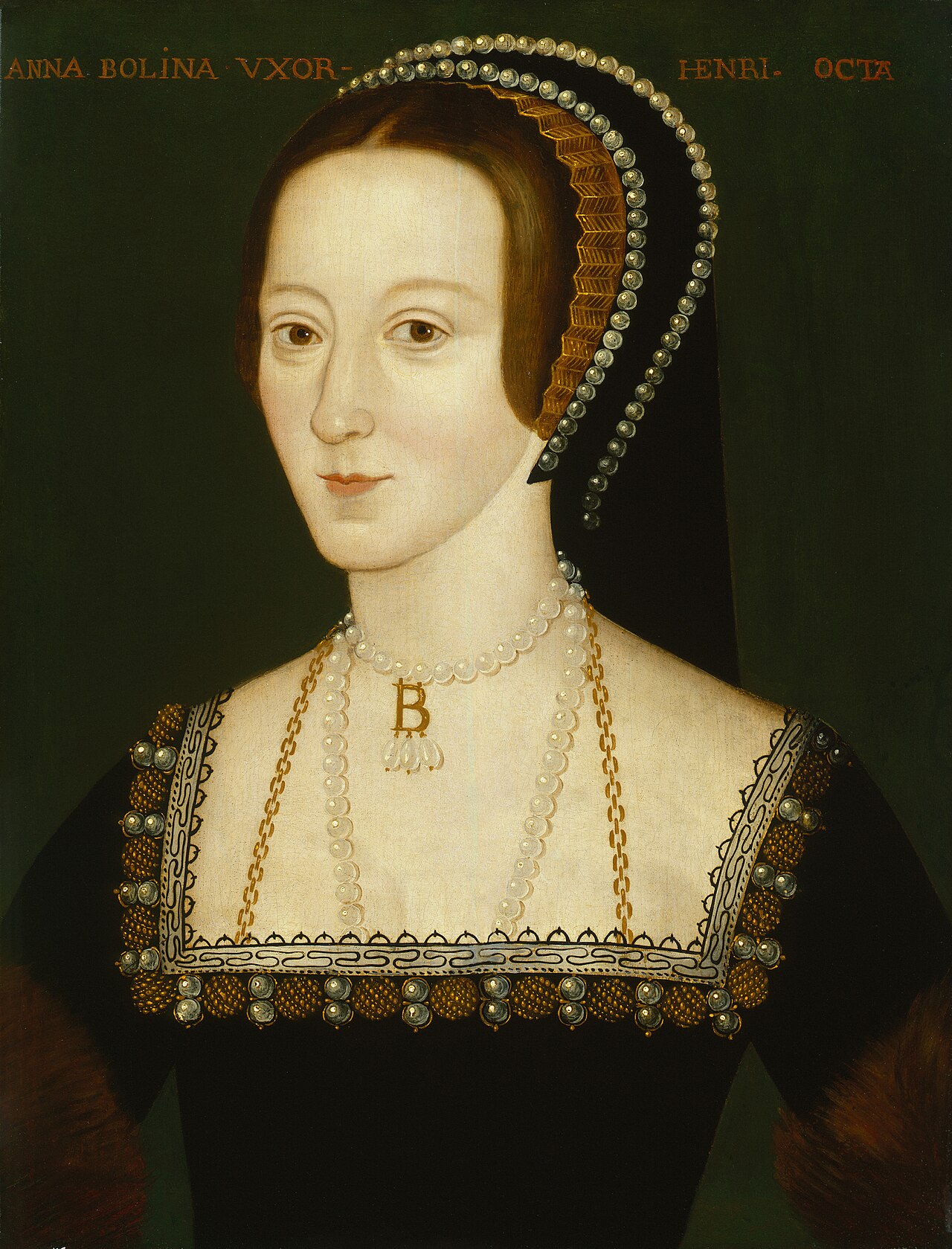
Cranmer was born in Nottinghamshire and educated at Cambridge, where he established a reputation for learning and moderate reformist sympathies. Elevated to the archbishopric in 1533, he performed the royal divorce that enabled Henry VIII to marry Anne Boleyn and helped secure the king's supremacy over the church in England. His tenure combined administrative duties with theological work and liturgical reform.
Contributions and characteristics
Cranmer's influence rested on several interrelated efforts: drafting revised liturgies, articulating doctrine in English, and supporting legal and institutional changes that separated English ecclesiastical structures from Rome. He advocated restrained, pastoral reforms rather than radical social upheaval, and his theological positions shifted over time as the Reformation evolved under different monarchs.
Book of Common Prayer and reforms
The Book of Common Prayer, compiled and edited under Cranmer's direction, standardized services in English for communion, baptism, marriage and daily prayer. Its combination of Scripture, pastoral tone and liturgical order made it accessible to ordinary worshippers and durable across centuries. Cranmer also promoted vernacular scripture and sermon-centered worship.
Trial, recantation, and execution
When Mary I of England restored Catholic authority, Cranmer was arrested, tried for heresy and pressured to abandon his reforming positions. Under intense coercion he made several recantations but ultimately withdrew them in a final statement. Mary ordered his execution after he refused to return to Catholicism, and he was burned at the stake in 1556 in Oxford.
Legacy and significance
Cranmer's impact endures through liturgy, church law and the English-language tradition of worship. While controversial in his lifetime, his work shaped Anglican identity and influenced Protestant worship beyond England. Scholars continue to debate aspects of his theology and political role, but his name remains closely linked to the formation of a national church and to the lasting influence of the Book of Common Prayer.
Further reading
- Biographical and historical studies of the English Reformation: see introductions and primary sources (archival summaries, liturgical texts).
- Contextual overviews of Tudor religious policy and the lives of monarchs involved in Cranmer's career (Henry VIII, Mary I).
- Local histories noting his origins and death locations: Nottinghamshire and Oxford.
For administrative entries and archival records consult catalogues and specialist studies linked through institutional guides (church histories, Catholic reaction). Primary liturgical material and later editions remain central to understanding his lasting influence on worship and church life (Book of Common Prayer).
Related articles
Author
AlegsaOnline.com Thomas Cranmer: Archbishop, Reformer, and Compiler of the Book of Common Prayer Leandro Alegsa
URL: https://en.alegsaonline.com/art/99491