
Mary I of England (Mary Tudor): Queen and Catholic Restoration, 1553–1558
Mary I (1516–1558), daughter of Henry VIII, reigned as Queen of England and Ireland (1553–1558). She attempted to restore Catholicism, married Philip II, and is remembered for the Marian persecutions and contested legacy.
Mary I (18 February 1516 – 17 November 1558), often called Mary Tudor, was queen of England and Ireland from July 1553 until her death. The eldest surviving child of Henry VIII and his first wife, Catherine of Aragon, Mary came to the throne after the short reign of her half-brother Edward VI. Her accession made her the fourth crowned ruler among the Tudor monarchs, and her policies marked a determined effort to reverse England's break with Rome under the earlier Tudor kings and reassert the influence of the Tudor dynasty's traditional church.
Image gallery
10 Images

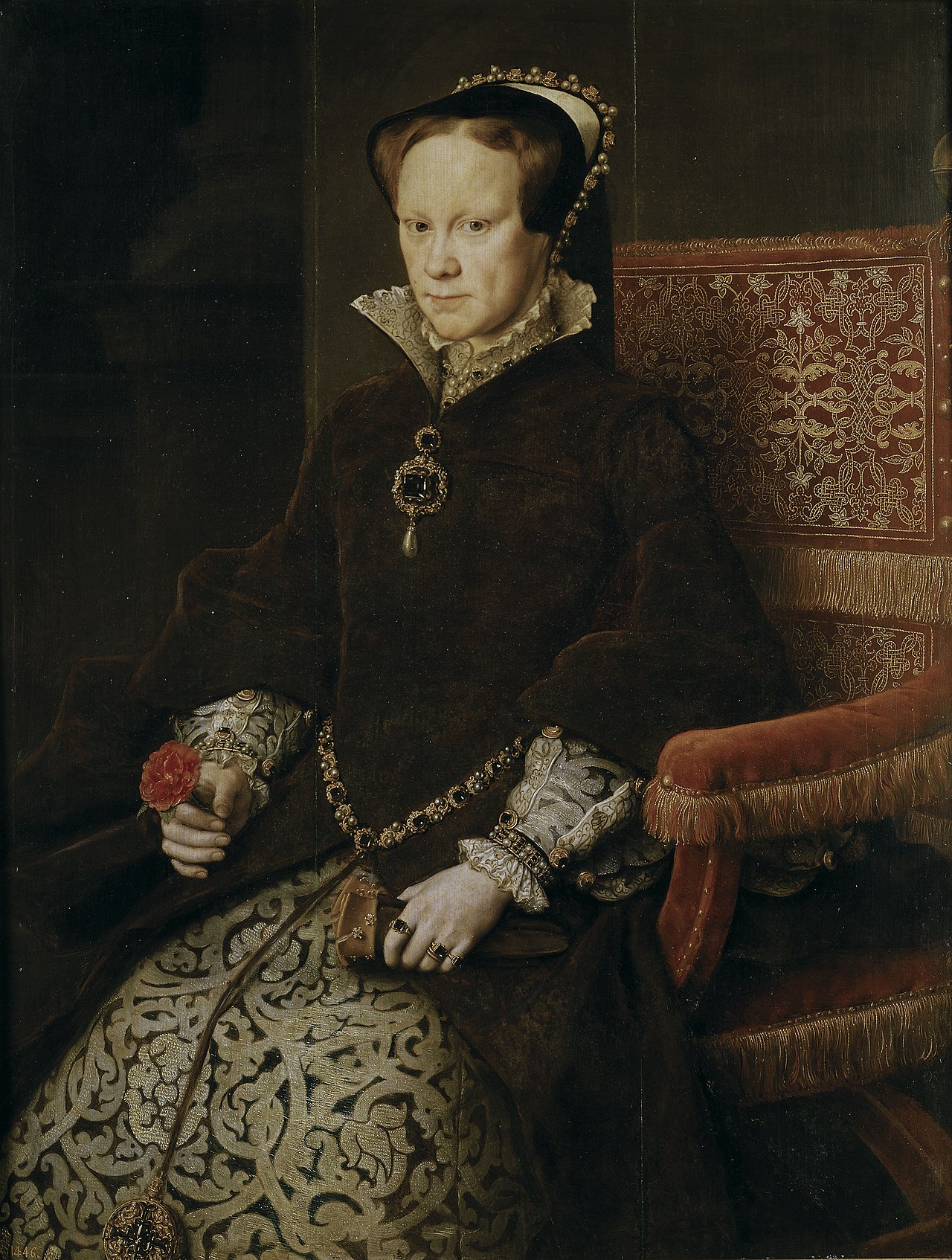
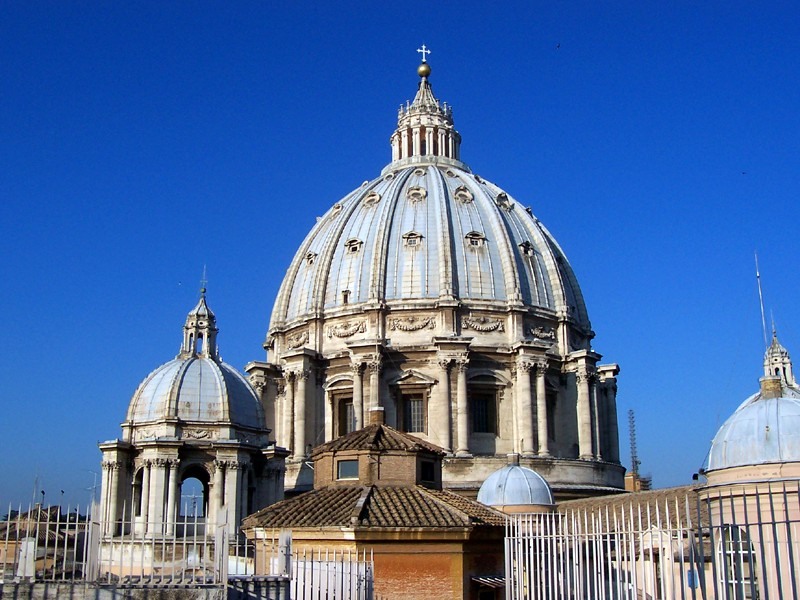

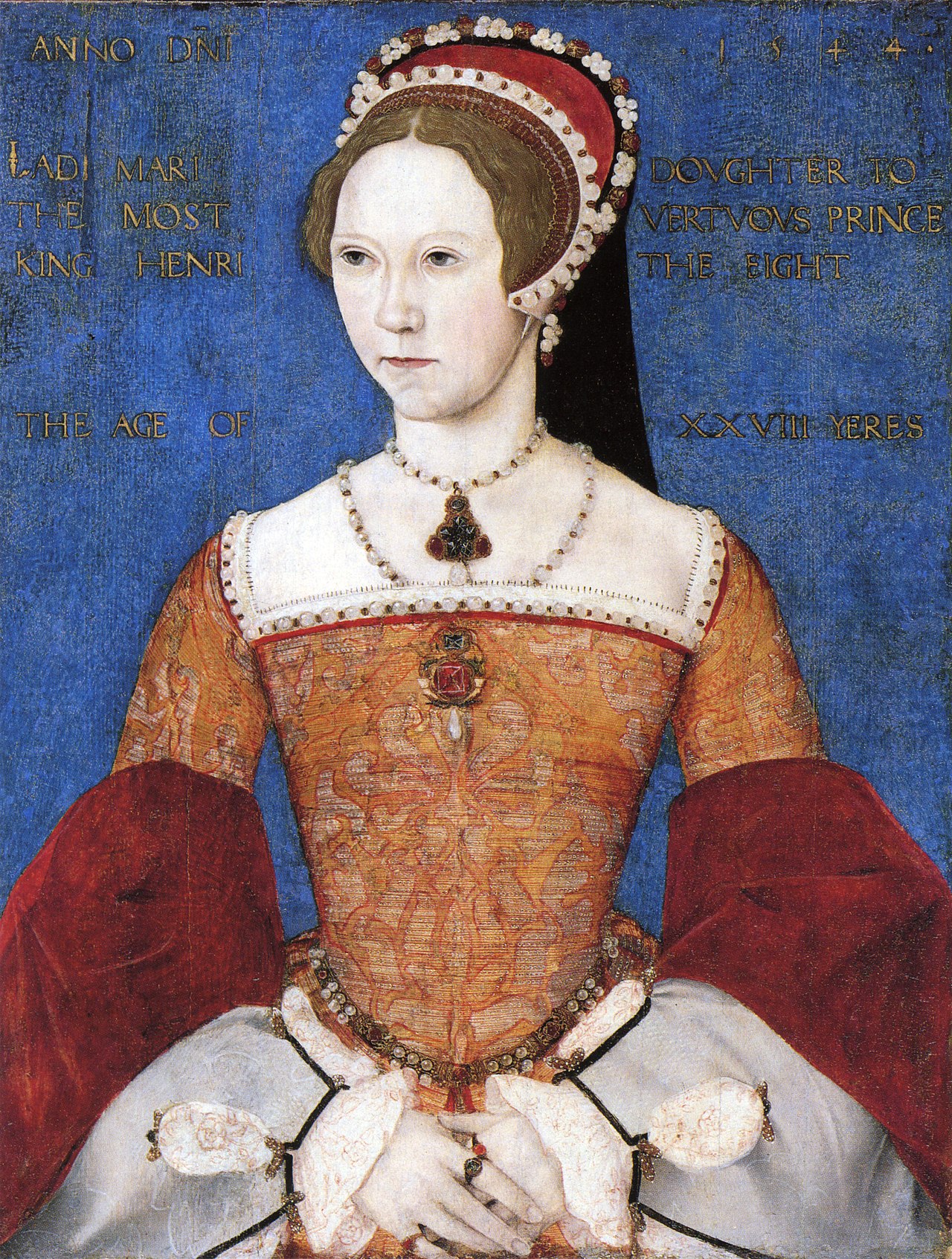


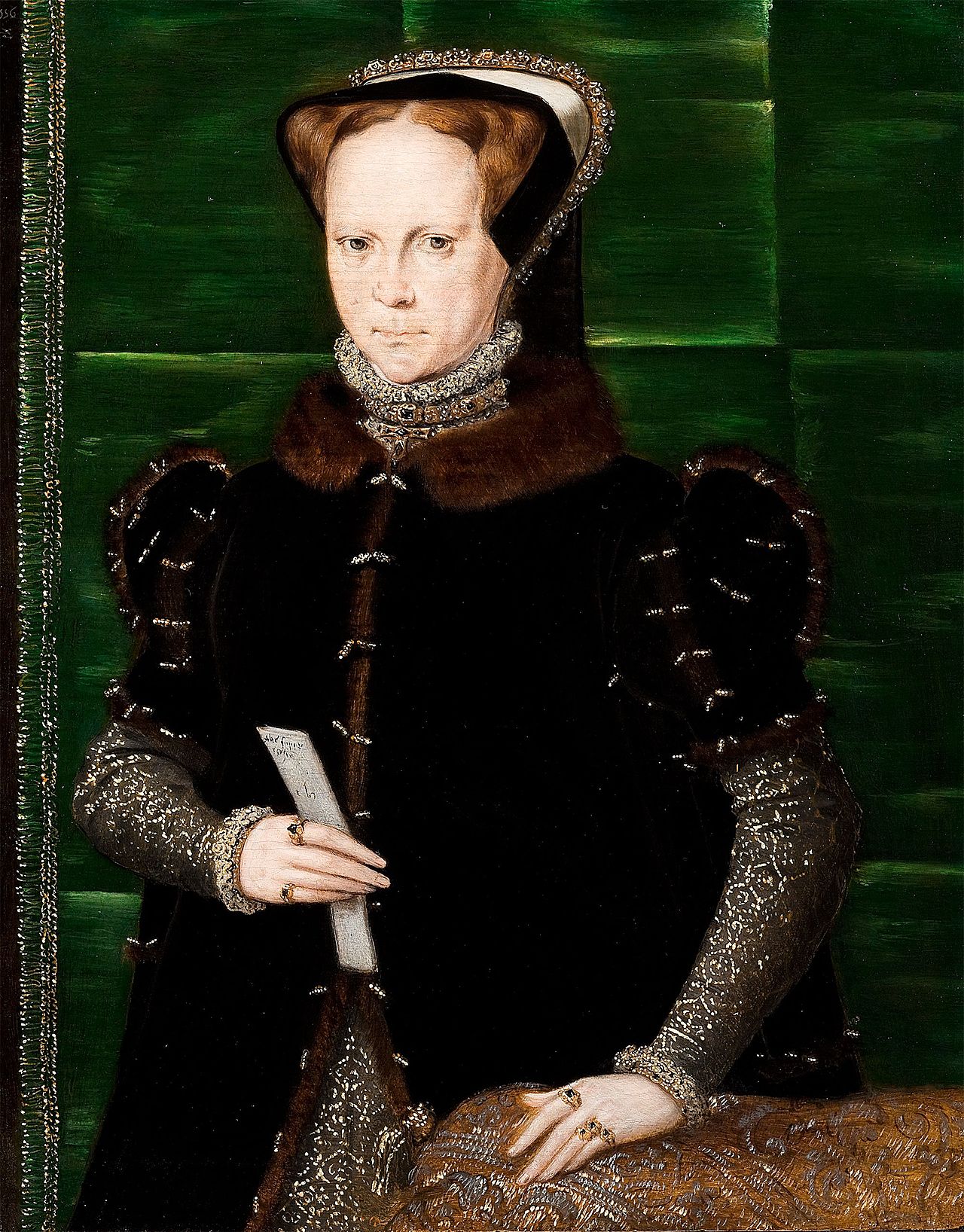

Early life and claim
Mary's childhood and status were shaped by the dynastic and religious upheavals of Henry VIII's reign. Declared illegitimate after her mother's marriage was annulled, she spent years estranged from courtly power but maintained a visible public role. When Edward VI died, Mary rallied support to press her hereditary claim; her succession ended a short attempt to exclude her in favour of Lady Jane Grey and restored a Catholic monarch to the throne.
Reign and religious policy
Mary pursued a clear program to restore papal authority and Catholic rites. Her government repealed much Protestant legislation passed under Henry and Edward and reinstated mass and clerical celibacy. These measures were supported by some who preferred religious continuity with pre-Reformation practices, but they provoked resistance from Protestants and from those wary of foreign influence in English affairs.
Marriage, foreign affairs, and unrest
Mary's political position was also shaped by her marriage in 1554 to Philip of Spain. The alliance aimed to strengthen Catholic ties and produce an heir, but it proved unpopular in England and raised fears of Spanish dominance. Foreign policy during her reign centered on Habsburg alliances and involvement in continental conflicts, which strained royal finances and contributed to domestic unease.
Persecutions and legacy
Determined to eliminate what she saw as heresy, Mary's government prosecuted Protestants; contemporary accounts—most famously John Foxe's Book of Martyrs—record that several hundred people were executed by burning, a fact that led to the popular nickname "Bloody Mary." Historians note that sources vary and that the episode must be understood within the period's common use of capital punishment for religious and political offenses. After Mary's death, her half sister Elizabeth I restored a Protestant settlement and launched a different policy toward religion.
Notable facts and historical assessment
- Mary was the only surviving child of Catherine of Aragon and Henry VIII to reach adulthood and rule.
- Her efforts to restore Catholicism were partly reversed within years of her death.
- Persecutions of religious dissenters during her reign shaped her reputation for centuries.
- Her succession followed the contested short reign of Edward VI and preceded the long reign of Elizabeth I.
- Mary's place in the sequence of Tudor monarchs and her marriage tied England into broader European politics, including connections with the Tudor dynasty’s continental rivals.
Mary I remains a complex historical figure: a queen who sought to restore her vision of religious order, whose policies provoked resistance and controversy, and whose short reign had lasting effects on England's religious and political trajectory. For further reading on her life and rule, see specialized histories and primary collections that examine court records, contemporary chronicles, and diplomatic correspondence from the 1550s. England, Ireland, and wider European contexts are essential to understanding her choices and their consequences.
Questions and answers
Q: Who was Mary I?
A: Mary I was the Queen regnant of England and Ireland from 19 July 1553 until her death.
Q: Who were Mary's parents?
A: Mary's parents were Henry VIII and Catherine of Aragon.
Q: How did Mary become Queen of England?
A: Mary became Queen of England after her short-lived half-brother, Edward VI, died.
Q: What is Mary's connection to the Tudor dynasty?
A: Mary was the fourth crowned monarch of the Tudor dynasty.
Q: What is Mary remembered for?
A: Mary is remembered for briefly re-making England a Roman Catholic country and for having more than 280 disagreeing religious people burned at the stake.
Q: Why was Mary called "Bloody Mary"?
A: Mary was called "Bloody Mary" because of the many religious individuals she burned at the stake.
Q: Who succeeded Mary I as Queen of England?
A: Mary's half sister on her father's side, Elizabeth I, succeeded her as Queen of England.
Author
AlegsaOnline.com Mary I of England (Mary Tudor): Queen and Catholic Restoration, 1553–1558 Leandro Alegsa
URL: https://en.alegsaonline.com/art/126318