
Elizabethan Religious Settlement (1559)
The 1559 program of laws and practices under Elizabeth I that re-established royal authority over the church and set a moderate, national form of worship, foundation for later Anglicanism.
The Elizabethan Religious Settlement refers to a set of laws and administrative measures enacted early in the reign of Elizabeth I to resolve the sharp religious conflicts of the Tudor period. It aimed to create a national church that was legally independent of papal authority while retaining enough continuity with pre‑Reformation practice to attract a broad swath of the population. The measures were adopted in the context of the prior reigns of Edward VI and Mary I, and were passed through the Parliament that met after Elizabeth’s accession.
Image gallery
10 Images





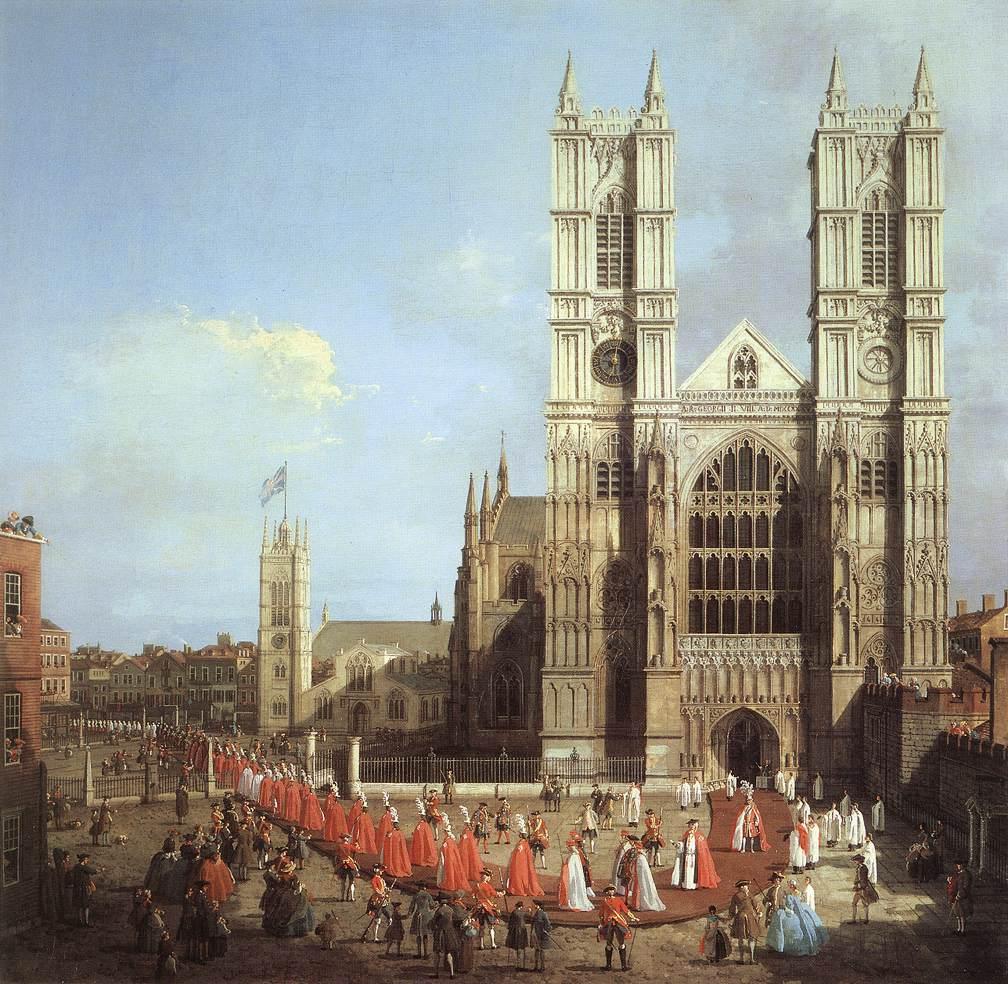
Core statutes and provisions
Two principal Acts carried the Settlement into law. The Act of Supremacy of 1559 restored the monarch’s control over the national church and rejected the jurisdiction of Rome. To avoid provoking moderate opponents it used the title "Supreme Governor" rather than "Head" of the church, a wording intended to be politically conciliatory. The Act of Uniformity of 1559 prescribed the form of public worship, making a single authorized liturgy the legal standard and imposing penalties for persistent non‑attendance.
Main features and practices
The Settlement sought a middle course (the so‑called via media) between Roman Catholic ritual and radical Protestant reforms. Its practical measures included:
- an authorized Book of Common Prayer to be used in all services;
- retention of episcopal structure and bishops rather than replacing them with presbyteries;
- a rejection of papal authority and the establishment of royal ecclesiastical supremacy (English church independence);
- royal injunctions and ecclesiastical regulations to enforce uniformity in worship and clerical behavior.
Implementation and response
Implementation was uneven. Some clergy and laypeople accepted the compromise, while others resisted. Conservative Catholics refused conformity and were known as recusants; more radical Protestants (later called Puritans) criticized the Settlement for preserving too many traditional forms. Local enforcement often depended on bishops and civil authorities, producing regional variation in how strictly the rules were applied. Many historians note that popular religious practice did not become uniformly Protestant overnight and that significant divisions remained among the clergy and the wider population.
Historical significance and debate
Scholars commonly view the Settlement as the legal foundation of what became Anglicanism and as a decisive political move that helped stabilize the kingdom. It is sometimes described as the end of the English Reformation, though that interpretation is debated; many religious changes continued to unfold in subsequent decades and doctrinal formularies were refined in later years. The Settlement’s compromise character shaped English religious life by institutionalizing a national church distinct from Rome while allowing space for a range of belief and practice.
Notable elements and longer‑term effects
Other notable aspects include the role of royal policy in shaping theology and ritual, the continuing use of parliamentary statute to resolve ecclesiastical questions, and the impact on political loyalty and identity in England. The Settlement was followed by further legislation, pastoral directives and debates that gradually produced a distinct Anglican identity and legal framework for religion in the realm. For further reading about the context and consequences, see contemporary summaries and archival records available through standard reference sources on the English Reformation and modern studies of Tudor church policy concerning Edward’s reforms and responses under Mary.
Because the Settlement combined statute with administrative practice and local enforcement, its meaning evolved in the decades after 1559. That adaptability helped preserve political stability while also leaving unresolved tensions that shaped later religious and political conflicts in Britain and Ireland. For introductions to primary documents, consult collections that reproduce the Acts and the royal injunctions issued in the 1559 settlement period through Parliament records and ecclesiastical compilations about the English church.
Key questions for students and readers include how far the Settlement intentionally balanced competing pressures, how it was experienced by ordinary worshippers, and how its compromises influenced the long development of Anglican doctrine and practice. For concise treatments and bibliographic leads, see survey works that address the settlement’s legal text, liturgical outcomes and political effects on independence and the evolving relationship with Rome.
Overall, the Elizabethan Religious Settlement remains a central episode in British religious history: a legal and practical attempt to forge unity after years of upheaval, whose compromises had lasting consequences for church, state and society.
Questions and answers
Q: What was the Elizabethan Religious Settlement?
A: The Elizabethan Religious Settlement was Elizabeth I’s response to the religious conflicts that arose during the reigns of Henry VIII, Edward VI and Mary I.
Q: How many Acts of Parliament were involved in the Elizabethan Religious Settlement?
A: Two Acts of Parliament were involved in the Elizabethan Religious Settlement.
Q: What did the Act of Supremacy of 1559 confirm?
A: The Act of Supremacy of 1559 confirmed the English church's independence from Rome.
Q: What was the purpose of the Act of Uniformity 1559?
A: The Act of Uniformity 1559 determined the form of the English church.
Q: What is the Elizabethan Religious Settlement considered by some?
A: The Elizabethan Religious Settlement is considered by some to be the end of the English Reformation and the establishment of Anglicanism.
Q: Was England considered a Protestant nation on a popular level after the Elizabethan Religious Settlement?
A: Historians believe that England only became a Protestant nation on a popular level many years later.
Q: Were there divisions among the population and the clergy regarding the Elizabethan Religious Settlement?
A: Yes, there were great divisions among the population and the clergy for a long time afterwards.
Related articles
Author
AlegsaOnline.com Elizabethan Religious Settlement (1559) Leandro Alegsa
URL: https://en.alegsaonline.com/art/30895