
Lord Protector (British office and historical role)
British title for regents and, most famously, the head of state during the 1650s Protectorate; denotes an individual exercising sovereign authority when the monarch cannot govern or a republican constitution replaces the crown.
Overview
The term Lord Protector denotes a historic British office applied to persons who exercised sovereign authority on behalf of the realm. The designation covers two principal usages: a regent who governs while the monarch is a minor or incapacitated, and a constitutional head of state created during the mid‑17th century republican experiment. For general background on the label and related offices see title background and surveys of heads of state.
Image gallery
2 Images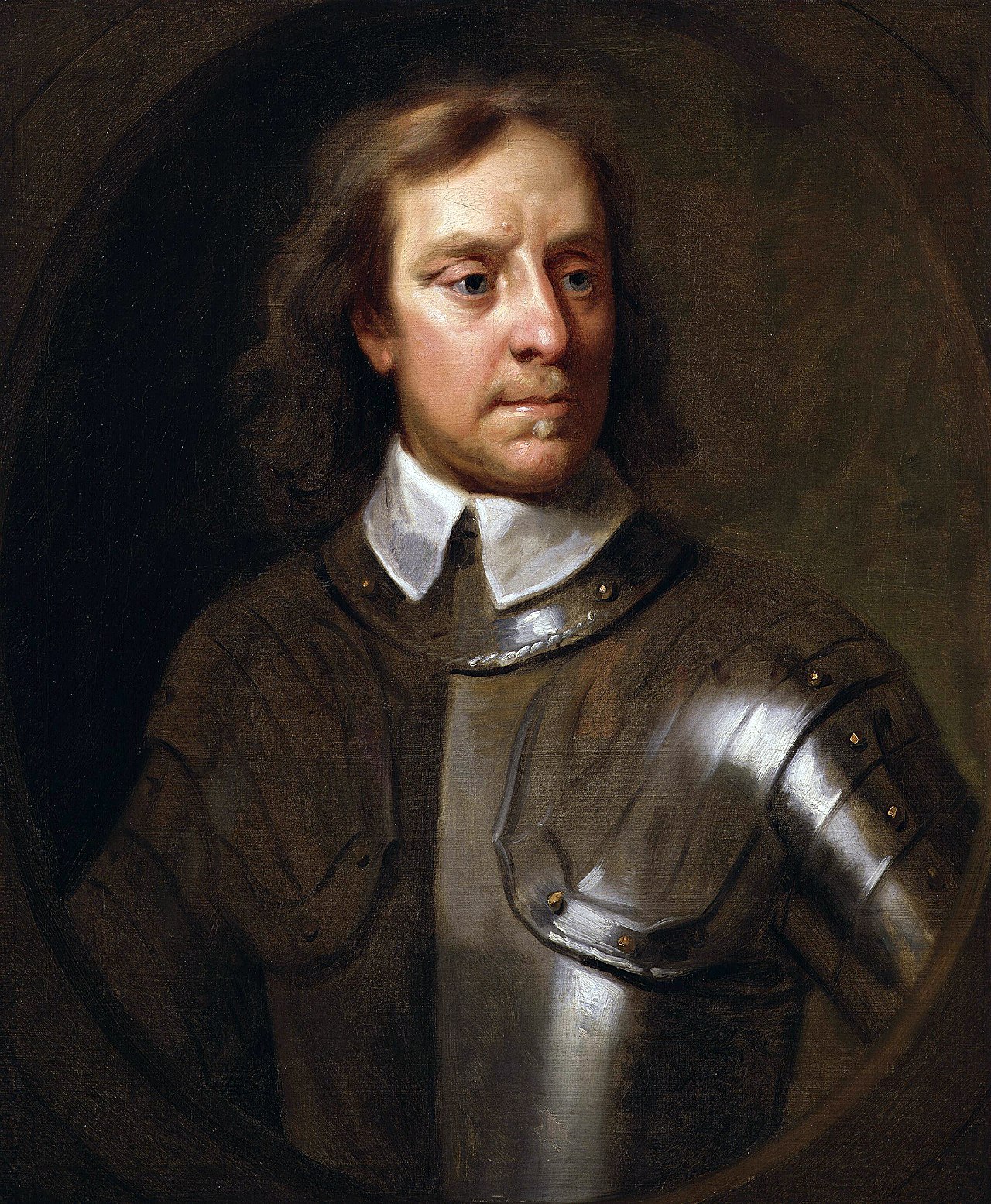

Origins and early use
From the late medieval and Tudor periods onward, English practice allowed a powerful noble, usually a close royal relative, to act as a protector or regent when the sovereign could not rule personally. Examples include senior dukes and princes who were commissioned to carry out government duties for an absent or underage monarch. Contemporary references to such figures often use the language of protection and regency rather than a fully independent sovereignty. Typical arrangements are described in studies of royal princes and formal regency.
Appointment and functions
When appointed, a Lord Protector could hold a range of authorities: presiding over the privy council, directing military and diplomatic policy, issuing legal instruments, and making high appointments. The scope of power depended on the legal instrument or commission that created the office. Some protectors acted with near‑monarchical authority, while others were constrained by council advice, parliamentary oversight, or statutory limits. The office may therefore be best understood as a flexible instrument for exercising sovereign functions in exceptional circumstances, often involving the established institutions of the monarchy.
The Protectorate (1653–1659)
The most prominent and constitutionally novel use of the title occurred during the Interregnum. After the civil wars and the temporary abolition of the crown, the Commonwealth experimented with different arrangements of government. Under a written instrument known as the Instrument of Government the office of Lord Protector became the formal head of state for the Commonwealth of England, Scotland and Ireland. This phase of republican government is discussed in accounts of the Interregnum and the earlier and broader Commonwealth.
The Protectorate combined executive authority with military influence and a parliamentary framework that was itself unstable. A later offer of a different constitutional form, the Humble Petition and Advice, proposed modifications to the powers and succession of the Protector; historical treatments of the period distinguish these legal instruments and their political consequences. The centralized government of this period is commonly referred to as the Protectorate.
Notable holders
- Oliver Cromwell — the principal figure associated with the title in its 17th‑century republican sense; he combined military leadership with executive government from 1653 until his death in 1658. His rule and policies are central to accounts of the civil wars and the later constitutional experiments.
- Richard Cromwell — Oliver's son who succeeded him but lacked his father’s political authority and soon resigned; his brief tenure illustrates the fragility of the republican office without firm political foundations.
- Earlier historical examples of protectors and regents — such as influential nobles who governed during royal minorities — show how the term had long described temporary custodianship of the crown. Contemporary supporters of the 1650s regime sometimes drew on earlier precedents when defending the office against critics associated with the Roundheads and other factions.
Legal status and constitutional significance
Legally, a Lord Protector acting as regent differs from an independent head of state created by constitutional instruments. Regency is typically a derivative authority held for a living monarch and subject to restoration of the sovereign’s rights; the Protectorate, by contrast, replaced the traditional monarchy for a period through written arrangements and parliamentary enactment. Debates from the period and later constitutional history focus on the balance between parliamentary control, military influence, and the traditional symbols of monarchy.
Legacy and cultural memory
The title 'Lord Protector' survives principally in historical and constitutional literature. Its enduring interest lies in what it reveals about sovereignty, legitimacy and crisis government: how societies choose temporary custodians of authority, and how extraordinary offices may become instruments for lasting political change or revert to earlier forms. The Protectorate itself has been the subject of many historical studies, legal discussions and cultural portrayals that assess both the achievements and limits of rule under a Lord Protector.
Further study and references
Readers seeking more on administrative details, individual careers, or primary documents should consult archival guides and specialist studies of regency, the regency tradition, biographies at institutional repositories, and compendia that treat the office among other heads of state and members of the royal family. See also introductory resources on historical titles at title histories and on period overviews at collections marked by the Interregnum or the broader Commonwealth.
Related articles
Author
AlegsaOnline.com Lord Protector (British office and historical role) Leandro Alegsa
URL: https://en.alegsaonline.com/art/59220