
Aerosol: suspensions of particles or droplets in a gas
An aerosol is a cloud of fine solid particles or liquid droplets dispersed in a gas. This article explains types, formation, history, uses, and environmental and health considerations.
Overview
An aerosol is a suspension of fine solid particles or liquid droplets dispersed in a gas. In everyday language the term often refers to household or industrial spray products, but aerosols also include natural phenomena such as sea spray and volcanic plumes, as well as man-made airborne particles linked to pollution and smoke. For general categories see solid particles and liquid droplets and consider the surrounding gas medium described at this reference.
Image gallery
9 Images





Characteristics and components
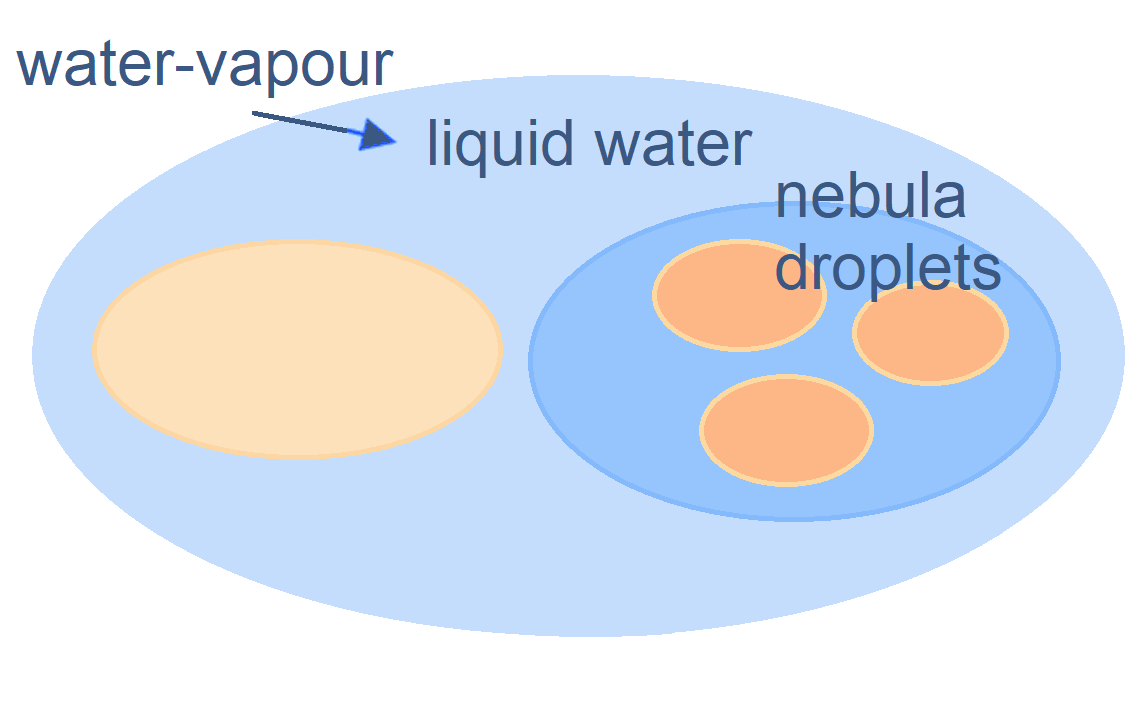
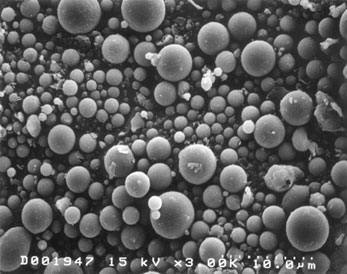
Aerosols vary by particle size, composition, concentration and lifetime. Sizes range from nanometre-scale particles to visible droplets. Small particles remain suspended for long periods and can travel long distances; larger droplets settle faster. Composition may be purely solid, purely liquid, or mixed. Typical examples include smoke, urban air pollution and chemically active mixtures such as smog. Practical descriptions often reference spray cans and their emitted cloud at consumer aerosol sources.
History and terminology
The word aerosol developed as scientists expanded the older term "sol," which described dispersed particles in a liquid. As research addressed dispersions in air, the broader category "aerosol" came into common use to include droplets and particles suspended in gases. Historical studies of atmospheric haze and laboratory work on dispersions clarified distinctions between true solutions and particulate suspensions; further background is available at historical overview.
Occurrence, uses and examples
- Natural aerosols: sea salt from breaking waves, dust storms, volcanic ash.
- Anthropogenic aerosols: combustion-derived particles, industrial sprays, and disinfectant or crowd-control agents such as CS gas.
- Commercial applications: spray painting, inhalable drug delivery, agricultural sprays, and consumer products.
Importance and distinctions
Aerosols are important for climate, air quality, and health. They can scatter or absorb sunlight and act as cloud condensation nuclei, influencing weather and climate. From a health perspective, inhalable aerosols may deposit in different regions of the respiratory tract depending on particle size and can carry chemical or biological agents. Distinguishing aerosols from true molecular solutions or from bulk liquid mists is essential for regulation, exposure assessment and engineering controls.
Related articles
Author
AlegsaOnline.com Aerosol: suspensions of particles or droplets in a gas Leandro Alegsa
URL: https://en.alegsaonline.com/art/1177