
Alcoholic proof: measuring spirit strength and its systems
Alcoholic proof is a historical and modern label indicating ethanol content in spirits. Systems vary—US proof equals twice the ABV, while other traditions used different scales. This article explains meanings, use, and history.
Alcoholic proof is a conventional label used to indicate the strength of an alcoholic liquid by reference to the amount of ethanol it contains. In contemporary practice most countries report strength as alcohol by volume (ABV), but the term "proof" persists on many labels and in everyday speech. For the core concept see ethanol and for the kinds of drinks typically described by proof see alcoholic beverage.
Image gallery
2 Images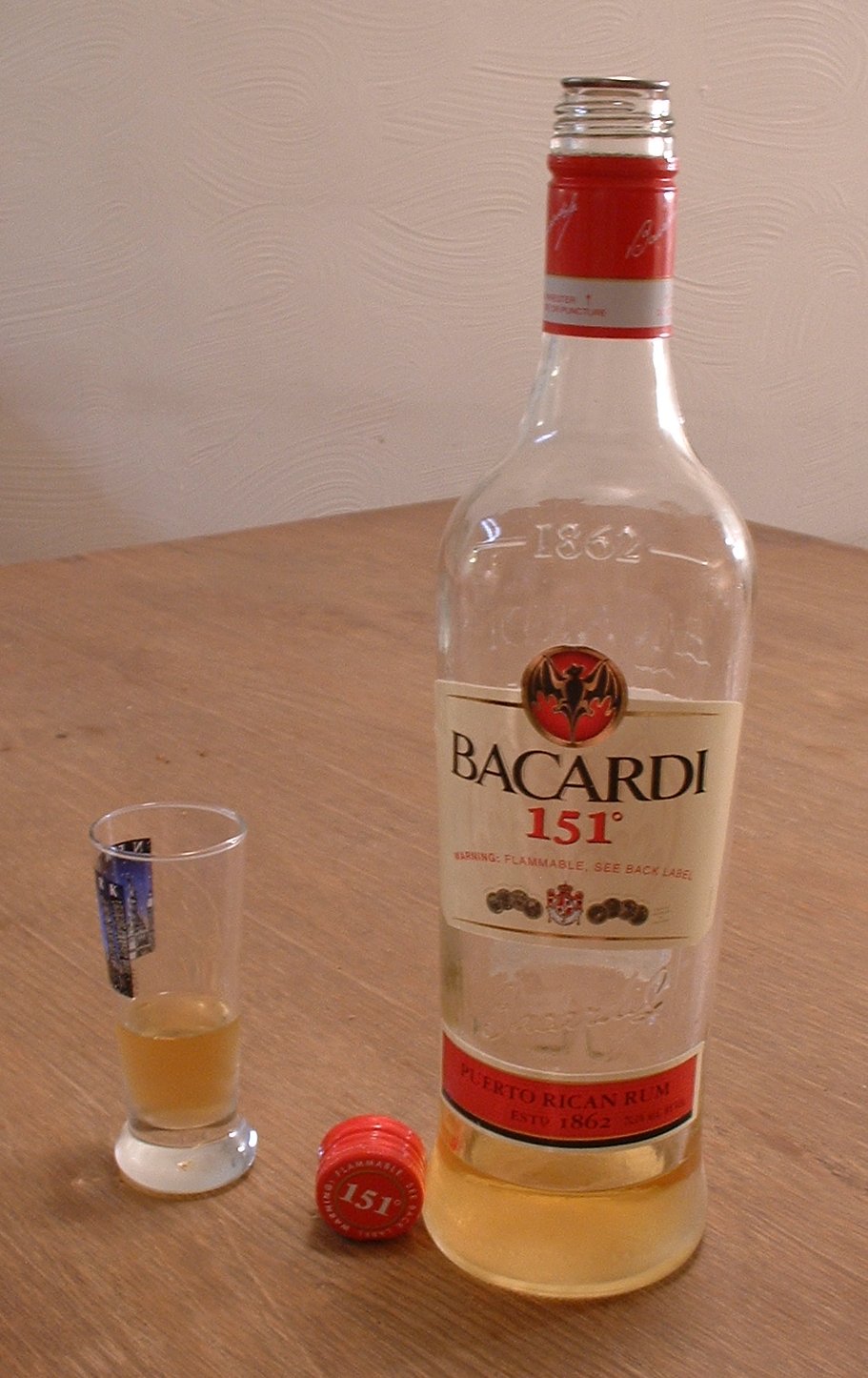
What proof means and how it relates to ABV
Different proof scales exist. The simplest modern convention, used officially in the United States, defines proof as twice the percentage of alcohol by volume: a spirit sold as 40% ABV is 80 proof. This makes conversion straightforward for many consumer products. Other systems historically used different multipliers or reference points; the widespread preference today is to display ABV alongside or instead of proof.
Characteristics and labeling
- Proof is an index of ethanol concentration but not a measure of taste or quality.
- Labels may show only ABV, only proof, or both; regulatory rules vary by jurisdiction.
- High-proof spirits are more flammable and require careful handling during production and transport.
Historical origins
The word "proof" comes from methods used to "prove" the strength of a spirit. In several traditions a practical test — famously the gunpowder test — was used to distinguish spirits strong enough to ignite when mixed with gunpowder. That crude test inspired fixed reference points and numerical scales. The British system once defined a particular standard "proof spirit" that does not match the United States calculation; many countries abandoned their older scales in favor of ABV for clarity and trade.
Uses and importance
Proof and ABV are used by producers, regulators and consumers. They matter for taxation (many jurisdictions tax spirits by strength), for safety (storage and labeling of high-strength alcohol), and for mixing recipes in bartending and food production. Recipes and legal documents often specify whether percentages are ABV or a proof value to avoid ambiguity — when necessary, conversion uses the system appropriate to the label in question: in the U.S. proof = 2 × ABV.
Notable distinctions and examples
- A bottle marked 80 proof in the U.S. contains 40% ABV; conversely, a 50% ABV spirit is 100 proof under the U.S. system.
- Some traditional or historic labels may refer to older national proof scales; modern international trade favors ABV as the consistent metric.
- For technical and legal definitions consult local regulations or reference sources on measurement — for general chemistry and safety see measurements of alcoholic strength and for labeling practice see alcohol by volume (ABV).
Because the term "proof" can mean different things in different places, it is best read together with an ABV statement or with knowledge of the system in use in the relevant country. For regulatory details or historical references follow official guidance or specialized works on distillation history and standards.
ethanol | alcoholic beverage | measurements of alcoholic strength | alcohol by volume (ABV) | United States
Questions and answers
Q: What is alcoholic proof?
A: Alcoholic proof is a measurement of the amount of ethanol present in an alcoholic drink.
Q: How is alcohol proof commonly used worldwide?
A: Alcohol proof is commonly used worldwide with the standard assumption that 100 degrees proof is equivalent to 50% alcohol by volume (ABV or Alc/Vol).
Q: What is the percentage of alcohol contained in a drink with 100 degrees proof?
A: A drink that has 100 degrees proof is equivalent to 50% alcohol by volume (ABV or Alc/Vol).
Q: In which country is alcoholic proof double the percentage of ABV?
A: In the United States, alcoholic proof is double the percentage of ABV.
Q: How is alcohol proof measured?
A: Alcohol proof is measured as twice the percentage of ABV in the United States and is determined by the amount of ethanol present in an alcoholic drink worldwide.
Q: What is the definition of ABV?
A: ABV or Alc/Vol is a measure of the amount of alcohol present by volume in an alcoholic drink.
Q: Can alcoholic proof be used as an indicator of alcohol strength?
A: Yes, alcoholic proof can be used as an indicator of alcohol strength as it is a measurement of the amount of ethanol in an alcoholic drink.
Tags
Related articles
Author
AlegsaOnline.com Alcoholic proof: measuring spirit strength and its systems Leandro Alegsa
URL: https://en.alegsaonline.com/art/2203
Sources
- access.gpo.gov : Title 27 - Alcohol, Tobacco Products and Firearms
- hambletonbard.com : Alcotec turbo yeast for home brewers