
Alabaster: gypsum and calcite varieties, properties and uses
Alabaster denotes two soft, workable forms of calcium—gypsum (a hydrated sulfate) and calcite (a carbonate). This article explains their composition, physical differences, history, common uses, and identification tests.
Overview
Alabaster is a term applied to two distinct but visually similar types of stone: a fine-grained gypsum and a form of calcite. In general usage the word can mean either material, depending on region and period. Both are prized for their translucency and smooth texture and have been widely used for small-scale sculpture, architectural decoration and liturgical objects. As varieties of minerals, they differ in chemistry and physical behavior: gypsum is a hydrated sulfate of calcium often described simply as gypsum, while the older classical alabaster is a form of calcite, a carbonate of calcium.
Image gallery
10 Images
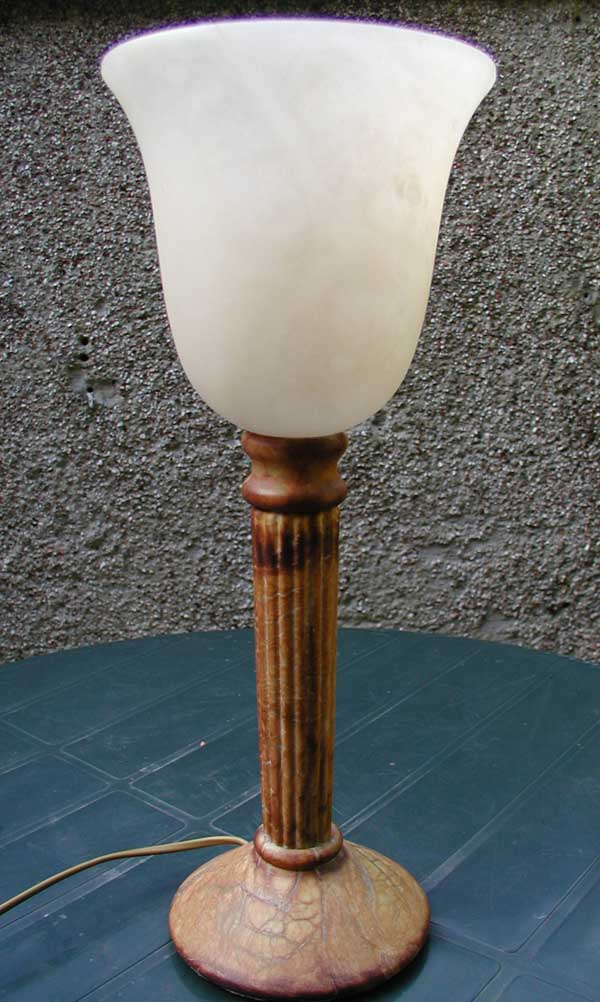

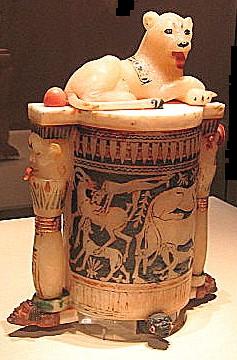


Physical characteristics and simple tests
Both gypsum and calcite alabaster share a soft, layered look and can show delicate translucence when thinly carved. Important measurable differences help identify them. On the Mohs hardness scale calcite is notably harder (about 3) while gypsum is softer (around 1.5–2) and can be scratched with a fingernail. Another practical field test is the reaction to dilute acid: calcite effervesces slightly in weak acids such as dilute hydrochloric acid, while gypsum does not react.
Common identification checklist
- Scratch test: fingernail will mark gypsum but not calcite.
- Acid test: bubbling indicates calcite.
- Appearance: both can be white or banded; calcite often has a waxier sheen, gypsum can be more fibrous.
- Weight and feel: gypsum is usually lighter because it contains water in its structure.
History and sources
Throughout history, ancient carvers often worked the calcite variety, while gypsum became the common alabaster in later periods because of its ready availability and extreme ease of carving. Both have been quarried in many parts of the world; historic trade and regional naming led to varying uses and reputations. Archaeological finds show alabaster items in funerary, religious and domestic contexts, reflecting its long-standing appeal across cultures.
Uses, techniques and conservation
Alabaster is favored for small sculptures, relief panels, lamps and interior elements where fine detail and gentle light transmission are desirable. Because gypsum alabaster is very soft, it is carved with hand tools and fine rasps; calcite alabaster takes slightly more effort but yields sharper detail. Both materials are vulnerable to water and acid, so conservation emphasizes stable humidity, protection from direct moisture, and avoidance of acidic cleaners. Conservators often use reversible, breathable consolidants to stabilize fragile pieces.
Distinctions and notable facts
While lay descriptions often use the word alabaster interchangeably, professionals distinguish the two by composition, hardness and reaction to acid. Collectors and conservators pay attention to provenance, carving technique and condition to identify which variety they have. For further reading on mineralogy, identification and historical context, consult specialist sources and field guides on minerals and the specific entries for gypsum and calcite. Additional technical details about sulfate and carbonate chemistry can be found through resources on hydrous sulfate, carbonate minerals, hardness scales like Mohs hardness, and practical conservation notes that reference safe cleaning agents rather than hydrochloric acid.
Related articles
Author
AlegsaOnline.com Alabaster: gypsum and calcite varieties, properties and uses Leandro Alegsa
URL: https://en.alegsaonline.com/art/1929