
Darren Aronofsky — American film director and screenwriter
Profile of Darren Aronofsky, an American filmmaker known for Pi, Requiem for a Dream, The Wrestler and Black Swan, with notes on his style, major works, background and reception.
Darren Aronofsky is an American filmmaker noted for intense, tightly composed films that explore obsession, addiction and the physical limits of the body. Born in Brooklyn, New York, he established a reputation in the late 1990s and 2000s for a distinctive visual and narrative style that often blends psychological drama with formal experimentation. He is widely described as an American film director whose work ranges from low-budget independent pictures to large-scale studio productions.
Image gallery
6 Images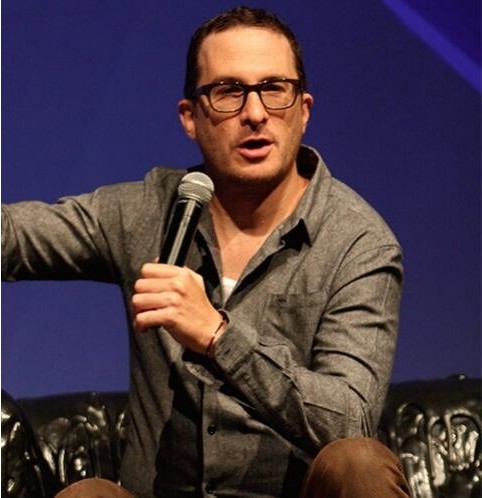
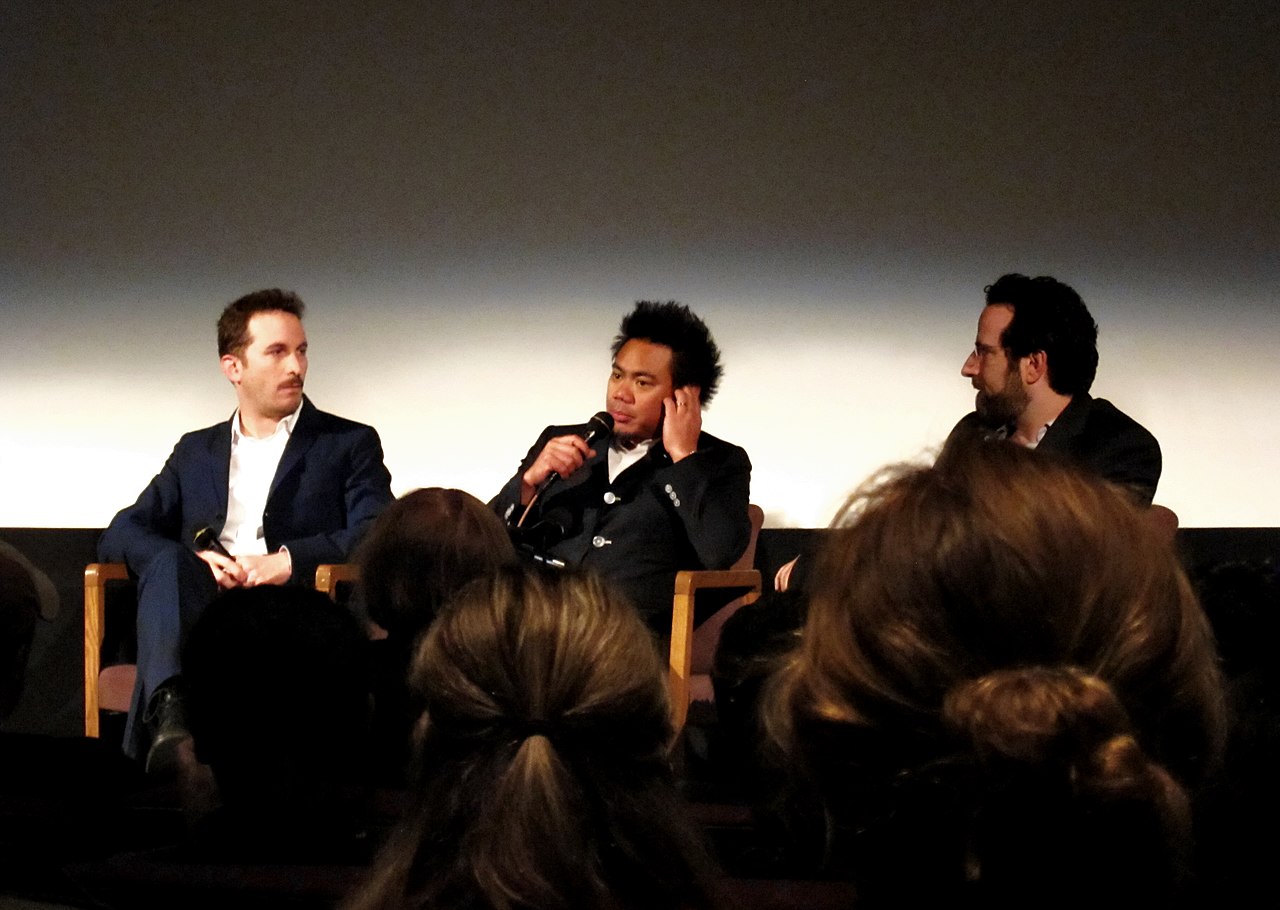


Early life and education
Aronofsky grew up in Brooklyn in a family of Eastern European Jewish background and is openly Jewish, with ancestors from Ukraine and Russia. He studied at Harvard University, where he majored in social anthropology and became interested in making films as a way of exploring human behavior. He later continued his training in film, developing the technical and narrative skills that shaped his early features.
Style and recurring themes
Aronofsky's films are frequently characterized by obsessive protagonists, heightened sensory design and bold editing. He often works with a small stable of collaborators — notably composer Clint Mansell and cinematographer Matthew Libatique — and favors camera techniques and editing rhythms that intensify character subjectivity. Themes of addiction, transformation, ambition and sacrifice recur across his work, and he is known for putting performers through physically demanding roles to serve the narrative realism.
Notable films
- Pi (1998) — a low-budget debut that introduced Aronofsky's interest in obsession and pattern, earning attention on the festival circuit.
- Requiem for a Dream (2000) — a harrowing portrait of addiction adapted from a novel, notable for its montage-heavy editing and stark visual design.
- The Fountain (2006) — an ambitious, nonlinear meditation on love and mortality spanning different eras.
- The Wrestler (2008) — a grounded character drama about an aging performer that received strong critical praise and revitalized its lead actor's career.
- Black Swan (2010) — a psychological thriller set in the world of ballet; its lead performance won significant awards and the film broadened Aronofsky's mainstream recognition.
- Noah (2014) and mother! (2017) — later works that show his continued interest in sweeping allegory and divisive reception among critics and audiences.
Reception, controversies and influence
Aronofsky's films often divide opinion: they are praised for daring and craft yet sometimes criticized for intensity or provocativeness. Projects such as Noah stirred discussion about religious interpretation, while mother! polarized reviewers. Despite this, his influence on contemporary psychological and physical-actor cinema is widely acknowledged; younger directors and critics point to his bold formal choices and concentrated storytelling as significant contributions to modern independent and mainstream film.
Public profile and misconceptions
Although Aronofsky's career has generated many press items and rumors, not every report about his future projects is accurate. Occasionally speculative stories have named prominent performers such as Daniel Craig, Clive Owen and even nontraditional figures like Sophie Ellis-Bextor in association with him; reliable coverage distinguishes verified credits from conjecture. He remains an active, sometimes polarizing figure whose next choices continue to attract attention.
For readers seeking a deeper look at Aronofsky's films, production collaborations and critical reception, filmographies and specialized essays provide scene-by-scene and thematic analysis that illuminate how his formal technique supports the intense emotional territory his stories explore.
Related articles
Author
AlegsaOnline.com Darren Aronofsky — American film director and screenwriter Leandro Alegsa
URL: https://en.alegsaonline.com/art/117156