
Gustave Doré: 19th-Century French Illustrator and Engraver
French artist Paul Gustave Doré (1832–1883) was a prolific illustrator and engraver whose dramatic, romantic images for books, magazines and exhibitions shaped visual culture in the 19th century.
Overview
Paul Gustave Doré (6 January 1832 – 23 January 1883) was a French artist best known for his prolific work as an illustrator and engraver. Working mainly in wood and steel engraving, he produced striking black-and-white images that accompanied editions of classic literature, religious texts and periodicals. His dramatic compositions and theatrical use of light and shadow made his prints especially popular with publishers and a wide reading public.
Image gallery
10 Images



Style and techniques
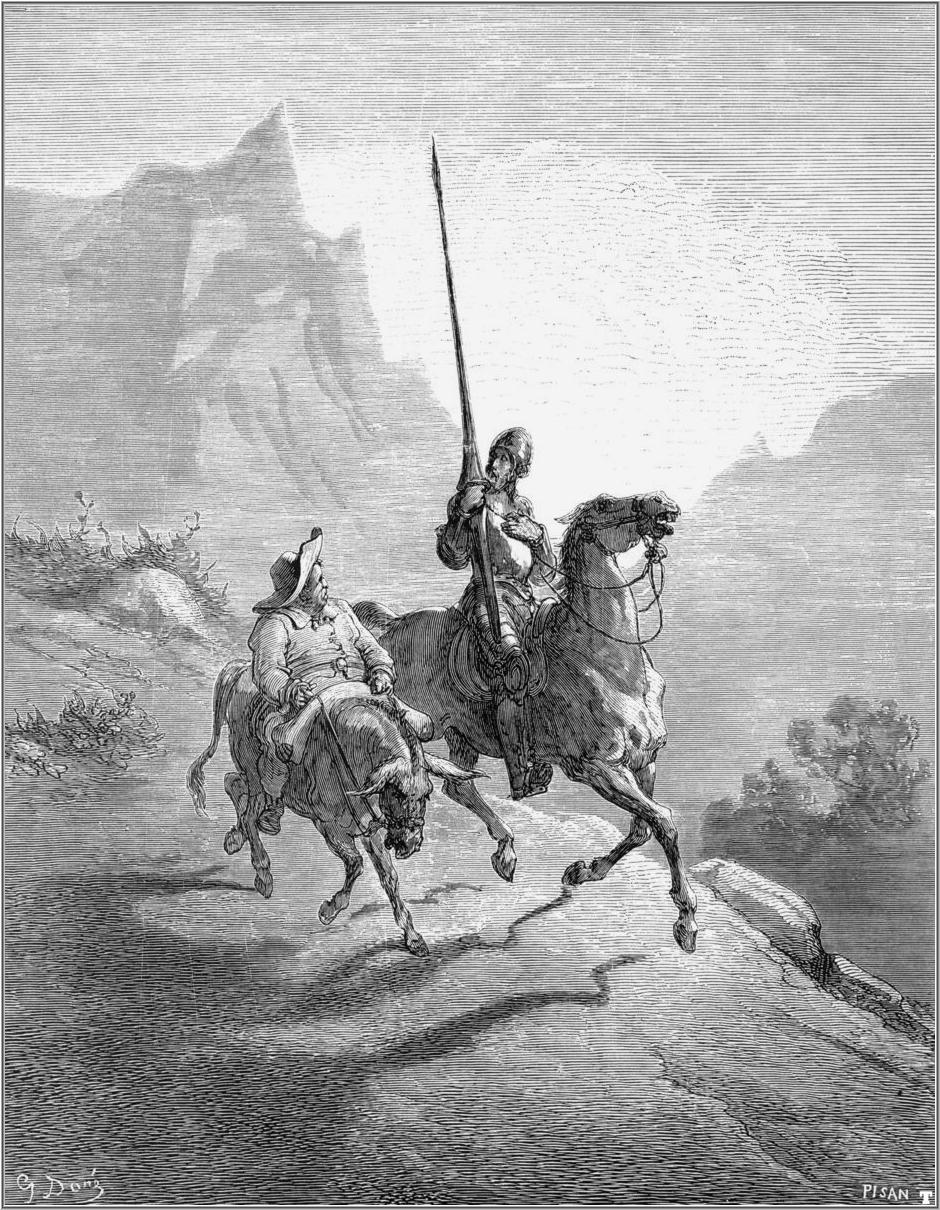
Doré combined careful draftsmanship with bold, often theatrical staging. His engravings emphasize contrast, sweeping perspectives and dense detail, creating a sense of awe or moral drama. Although printmaking was his primary medium, he also painted and created sculpture, and he adapted his images for large-format reproduction to reach mass audiences. For technical and biographical context see biographical sources and collections of his work at illustration archives.
Major works and commissions
- Illustrated editions of canonical texts — including visual cycles for Dante, Milton, Cervantes and others — which became definitive images for many readers.
- A richly illustrated Bible and numerous scenes for religious and mythological subjects that circulated widely in the 19th century.
- Documentary and social studies, most famously a pictorial survey of London that mixed reportage with dramatic interpretation.
For curated galleries and lists of editions, consult major institutional catalogues.
Career development and reception
Doré rose to prominence in the mid-19th century through book and magazine commissions. His engravings were reproduced in a variety of formats and helped establish the look of many classic works for contemporary audiences. Popular acclaim was often strong, though critics sometimes debated the literary fidelity and moral tone of his interpretations. His project documenting urban life in London provoked discussion about realism and sensationalism in illustrated reportage.
Legacy and notable facts
Doré's imagery influenced later visual media, including film and illustration traditions, by providing powerful, widely circulated visual narratives. He occupies an ambiguous place between popular success and academic evaluation: admired for technical skill and mass influence, yet occasionally dismissed by some critics for theatrical excess. For more analysis and digitized reproductions see research resources.
Distinctions: Doré is remembered primarily as an illustrator and engraver whose work helped define 19th-century visual interpretations of literature and religion. His prints remain studied for their composition, storytelling and impact on visual culture.
Questions and answers
Q: Who was Gustave Doré?
A: Gustave Doré was a French artist, engraver, illustrator and sculptor.
Q: When was he born and when did he die?
A: Gustave Doré was born on January 6, 1832 and died on January 23, 1883.
Q: What kind of work did Doré mostly produce?
A: Most of Doré's work was wood engraving and steel engraving.
Q: What was Doré known for?
A: Doré was known for his illustrations of literary works, including those of Dante, Cervantes, and Poe.
Q: What is wood engraving?
A: Wood engraving is a type of printmaking process in which a design is cut into the surface of a wood block and then inked and printed.
Q: What is steel engraving?
A: Steel engraving is a type of intaglio printmaking process in which an image is etched into a steel plate using acid and then ink is applied to the plate and transferred to paper.
Q: Was Doré an important figure in the art world?
A: Yes, Doré was an important figure in the art world, especially in the field of illustration and printmaking. His work helped to popularize these art forms and influenced many other artists.
Related articles
Author
AlegsaOnline.com Gustave Doré: 19th-Century French Illustrator and Engraver Leandro Alegsa
URL: https://en.alegsaonline.com/art/120125
Sources
- indyworld.com : indyworld.com