
Ellsworth Kelly: American Abstract Painter, Sculptor, and Printmaker
Ellsworth Kelly (1923–2015) was an American artist noted for hard-edge abstraction, Color Field painting, shaped canvases, and minimalist sculpture emphasizing pure form and color.
Overview
Ellsworth Kelly was an American artist celebrated for a spare, rigorous approach to abstraction. Working across painting, sculpture and printmaking, he reduced imagery to simple shapes and bold color relationships. His practice emphasized clarity of form, flat planes of pigment, and an avoidance of illusionistic depth in favor of direct visual presence. Early and late in his career he pursued works that register as immediate visual facts rather than narratives or symbolic compositions. As a result, Kelly is often described as a leading figure among painters, sculptors, and printmakers of his generation: painter, sculptor, and printmaker.
Image gallery
6 Images



Style and techniques
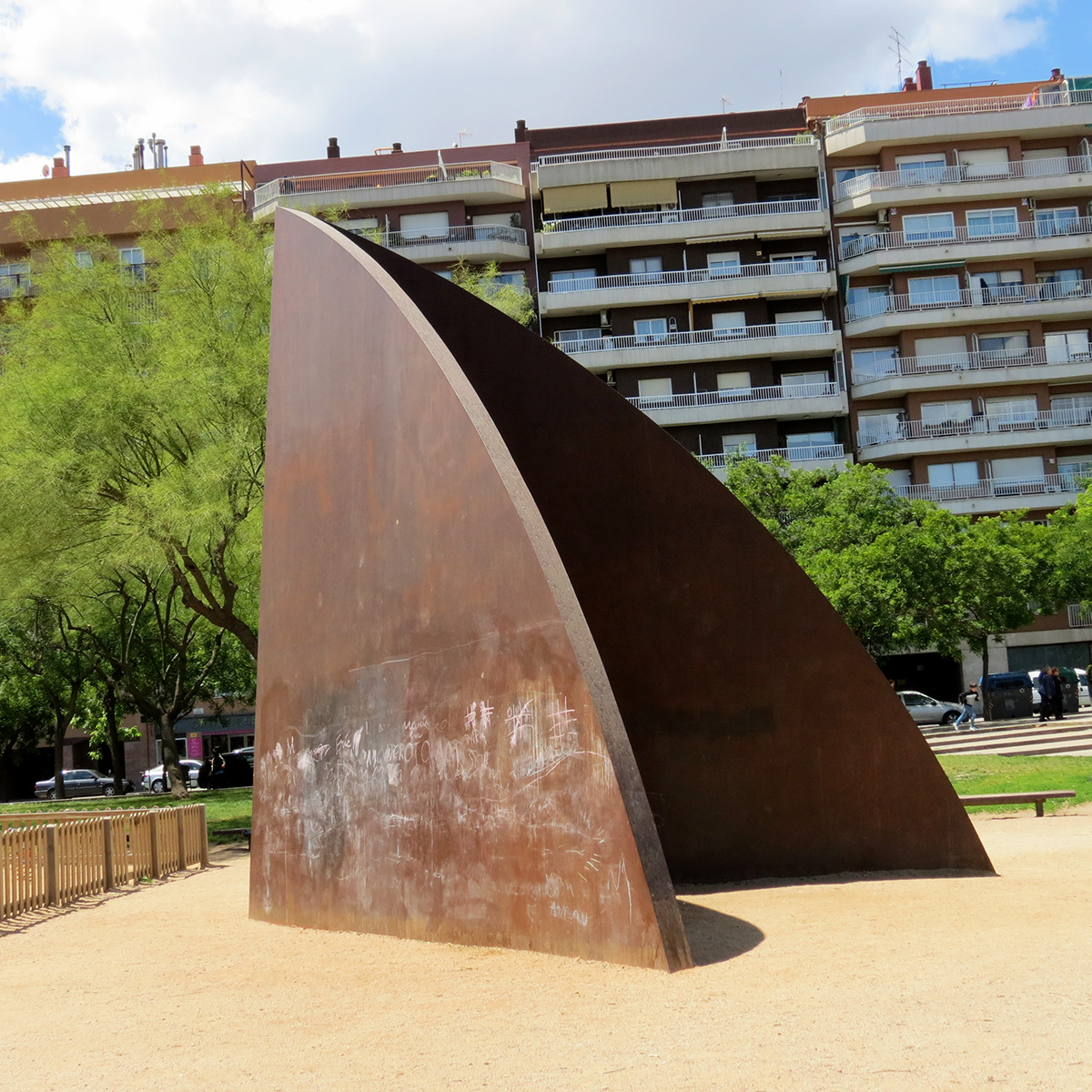
Kelly's work is associated with hard-edge painting and Color Field tendencies, and it is frequently placed in conversation with Minimalist concerns. He favored sharply defined contours, uniform color application, and, in many cases, shaped canvases that break the rectangle to emphasize silhouette and edge. His sculptures extend these principles into three dimensions, often using contoured metal or stone that echoes the cutout-like quality of his paintings. Rather than overt gesture or painterly brushwork, his surfaces present an evenness of tone that makes color itself the primary subject.
- Hard edges and staccato forms
- Monochrome panels and bold color juxtapositions
- Shaped canvases and relief-like paintings
- Prints and site-specific sculptures
Career and development
After formative years in the United States and a prolonged stay in Europe, Kelly developed an aesthetic that drew on modernist precedents while pursuing an independent vocabulary. He explored how isolated shapes and single colors can produce a spatial and emotional impact without recourse to representation. Over decades he experimented with scale, producing both intimate works and large public commissions, and he moved comfortably between painting, relief, freestanding sculpture and print media.
Significance and reception
Kelly's work influenced later generations of abstract and minimalist artists by demonstrating how pared-down form and pure color can provide a rich visual language. Critics and curators have highlighted his rigorous attention to edge, contour and chromatic relationships. Museums and public collections around the world include his pieces, and his approach to abstraction—prioritizing perception and the “objectness” of the artwork—remains a reference point in 20th-century art history.
Notable facts and distinctions
Although associated with movements like Color Field and Minimalism, Kelly resisted strict categorization and pursued a self-directed program that foregrounded perception over doctrine. He worked across multiple media and often translated the same formal idea into painting, print and sculpture. His shaped canvases are a particularly recognizable innovation, altering the conventional boundary between picture and wall.
Death and legacy
Ellsworth Kelly died in Spencertown, New York; his passing was reported from Spencertown on December 27, 2015. The cause was reported as respiratory failure. His work continues to be studied and exhibited, and his influence on contemporary practices in abstraction and minimal form-making endures. For further information on his life and work see major museum collections and exhibition catalogues, and general overviews of postwar American abstraction and minimal art: minimalist surveys and resources provide useful context.
References and further reading are available through institutional archives and exhibition catalogues that document his long and varied career, including retrospectives and scholarly essays that explore his evolving use of color, shape and space.
Related articles
Author
AlegsaOnline.com Ellsworth Kelly: American Abstract Painter, Sculptor, and Printmaker Leandro Alegsa
URL: https://en.alegsaonline.com/art/118374