
Daniel Day-Lewis: profile of a method actor and three-time Oscar winner
Comprehensive overview of Daniel Day-Lewis: early life, acting method, major roles and awards, personal life and retirement, and his lasting influence on film acting.
Daniel Day-Lewis (born 29 April 1957) is a retired English actor widely regarded as one of the most accomplished performers of his generation. Known for extreme preparation and selective choice of roles, he earned widespread critical acclaim across a career that spanned stage and screen. Over decades he won multiple industry prizes, including three Academy Awards, several national awards and international recognition.
Image gallery
9 Images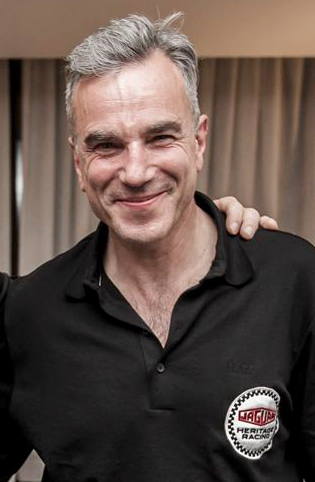


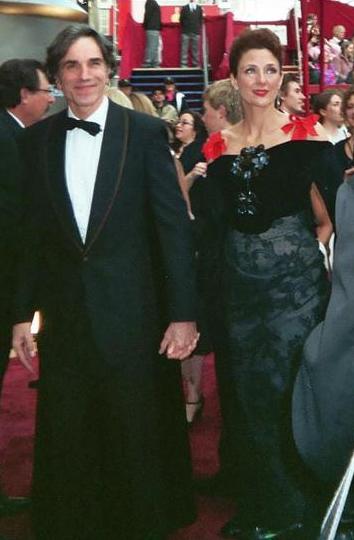
Acting style and professional approach
Day-Lewis is commonly described as a method actor: he often immersed himself in a character’s life for the duration of a production, adopting accents, habits and daily routines to sustain a performance. This intense, sometimes private approach produced portrayals noted for detail and emotional depth. He also became known for long gaps between films and for accepting a small number of roles, which enhanced the special status of each appearance.
Notable roles and awards
His most celebrated performances include a range of historical and fictional figures. Highlights include:
- My Left Foot — his breakthrough role as Christy Brown, which brought early awards attention.
- There Will Be Blood — a commanding, widely praised lead performance in a modern American epic.
- Lincoln — directed by Steven Spielberg, in which Day-Lewis portrayed Abraham Lincoln in a role that won major prizes and revived public interest in the historical figure; the film itself is often referenced by its title Lincoln.
- His final film, Phantom Thread, completed a career noted for precision and restraint.
Across his career he collected multiple major awards beyond the Academy Awards, including BAFTAs, Screen Actors Guild prizes and Golden Globes, securing a reputation for rarefied excellence.
Early life and training
Day-Lewis was born in London, England into a creative family: his father was the poet Cecil Day-Lewis and his mother the actress Jill Balcon. A younger sibling, Tamasin Day-Lewis, pursued a public career in food and broadcasting and is often mentioned among the family’s creative achievements (Tamasin Day-Lewis). He received formal theatrical training and worked in repertory and on stage before moving into feature films, where his discipline and craft became widely recognized.
Personal life and retirement
Day-Lewis has kept much of his private life out of the spotlight. He married writer and director Rebecca Miller (daughter of playwright Arthur Miller) in the 1990s and is father to three sons, one from an earlier relationship and two with Miller. In 2017 he announced his retirement from acting, saying he would leave the profession after completing his final film.
Legacy and significance
Daniel Day-Lewis’s legacy rests on a combination of singular performances, meticulous technique and a scarce, carefully curated body of work. Actors, critics and film historians often cite him as an example of how concentrated commitment to craft can shape onscreen realism. His career continues to be studied as a benchmark for leading performances in contemporary cinema.
Further reading and archival material on his films and interviews are available through many film archives and institutional resources.
Related articles
Author
AlegsaOnline.com Daniel Day-Lewis: profile of a method actor and three-time Oscar winner Leandro Alegsa
URL: https://en.alegsaonline.com/art/117026
Sources
- urbancinefile.com.au : "Day Lewis, Daniel: Gangs Of New York"
- bbc.co.uk : "Film star Daniel Day-Lewis retires from acting"
- theguardian.com : "Daniel Day-Lewis announces retirement from acting"