
Chef: professional cooks, roles, training and history
A chef is a trained professional cook who manages food preparation, menu design and kitchen operations. This article explains roles, skills, training, history and how chefs differ from cooks.
A chef is a person who prepares and oversees the production of food as a profession. In modern kitchens a chef may be responsible not only for cooking but also for menu development, sourcing ingredients, training staff and ensuring food safety. Many chefs work in commercial settings such as restaurants or hotels, while others are employed by catering companies, institutions, private households or media and product brands.
Image gallery
9 Images


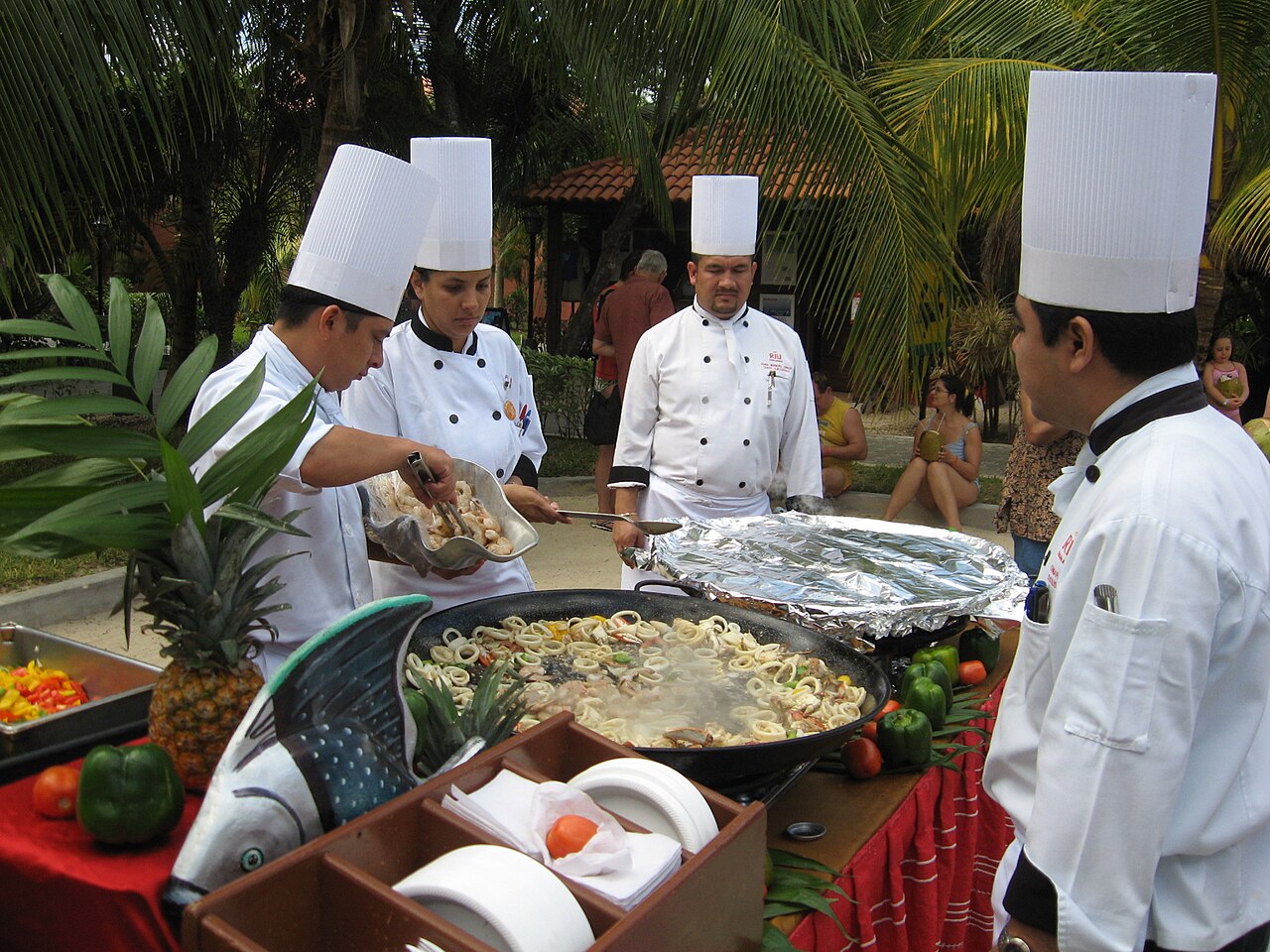


Typical responsibilities and skills
Chefs combine culinary technique with planning and management. Core skills include knife work, cooking methods, seasoning, timing, presentation and inventory control. Equally important are leadership, communication and an understanding of nutrition and hygiene. Some chefs specialize in particular cuisines or techniques, while others focus on pastry, butchery or garde manger (cold preparations).
Kitchen organization
- Executive chef – overall kitchen head and manager.
- Head chef (chef de cuisine) – runs day-to-day operations.
- Sous chef – second-in-command, often supervises shifts.
- Station chefs (chefs de partie) – responsible for specific areas (roast, grill, pastry, fish, etc.).
These roles form a brigade system that many professional kitchens follow to maintain efficiency and consistent quality.
Historically, the modern idea of a chef developed in Europe with the professionalization of dining and restaurants in the 18th and 19th centuries. Over time, culinary schools, apprenticeships and media exposure expanded the career into many specializations and international styles.
Training ranges from vocational courses and apprenticeships to advanced culinary schools; practical experience remains crucial. Chefs may become restaurateurs, consultants, authors or television personalities, and they play a central role in shaping food trends and public taste. For more on culinary practice and recipes, see resources on food.
Related articles
Author
AlegsaOnline.com Chef: professional cooks, roles, training and history Leandro Alegsa
URL: https://en.alegsaonline.com/art/19120