
Daniel Inouye: U.S. Senator, WWII Veteran, and Medal of Honor Recipient
Long-serving Hawaiian senator Daniel Inouye (1924–2012) was a decorated WWII veteran and pioneering Japanese American lawmaker who served in the U.S. Senate from 1963 until his death.
Daniel Ken Inouye was a prominent American statesman and decorated soldier whose career bridged military heroism and long public service. Born in 1924 in Hawaii, Inouye rose from a local upbringing to national prominence. He is widely remembered for his wartime bravery, his role in the early congressional delegation from Hawaii after statehood, and decades of leadership in the United States Senate.
Image gallery
10 Images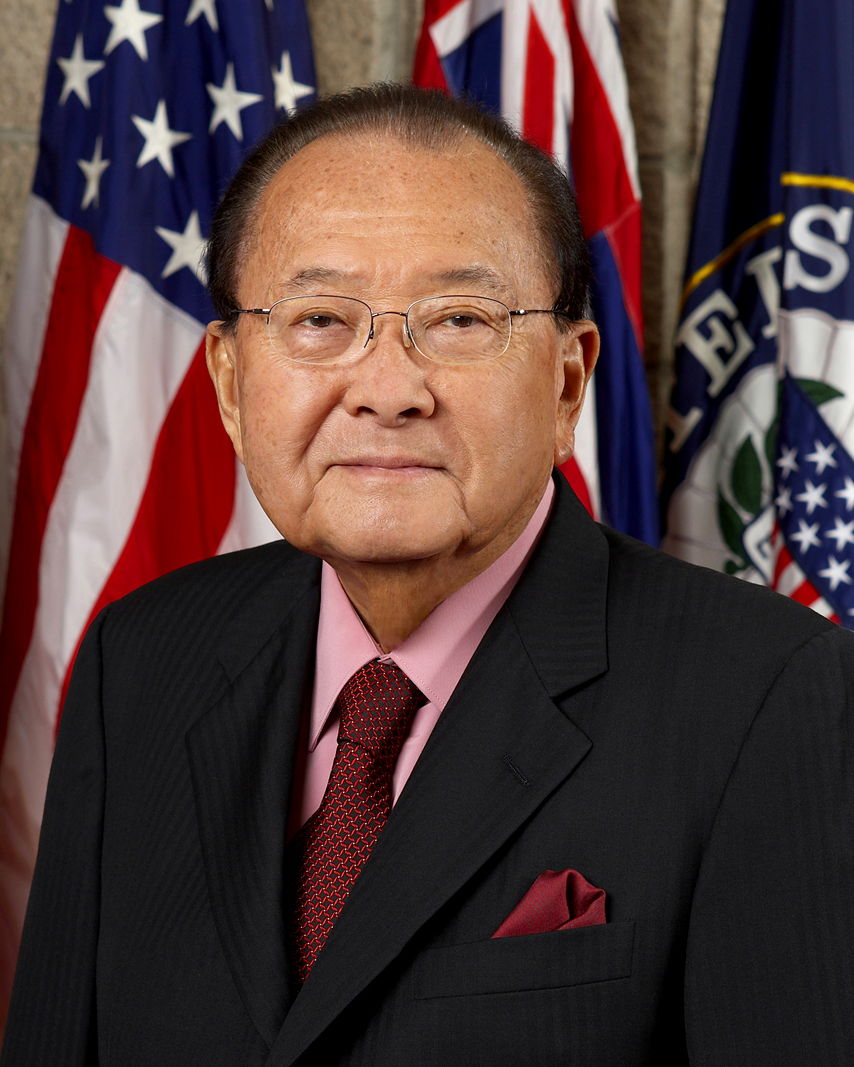


Name and background
In discussions of his heritage it is common to explain Japanese naming customs; see Japanese naming and how family and given names are used in different contexts. The Inouye family name is rendered in English as Inouye, with the family component emphasized in standard references; the surname itself is noted in many biographical listings as Inouye. Inouye was born and raised in what was then the Territory of Hawaii and became active in local civic and legal affairs before entering national politics.
Military service
During World War II, Inouye volunteered for service and became an officer in a segregated Japanese American combat unit. He fought in Europe with a regiment celebrated for its courage and tenacity, and his actions in combat resulted in severe wounds, including the loss of an arm. Decades after the war, after a formal review corrected past discriminatory practices, he was awarded the nation’s highest military decoration, the Medal of Honor. His wartime service is frequently cited in accounts of American minority soldiers who proved their patriotism during World War II.
Political career and leadership
Inouye was a member of the Democratic Party and entered national elective office after Hawaii became a state. He served in the U.S. House and then won election to the U.S. Senate, where he served from the early 1960s until his death in 2012. Over his long Senate tenure he held senior committee assignments and chaired influential panels, building a reputation as a pragmatic legislator who focused on veterans’ affairs, infrastructure, and the interests of his state. For many years he was among the longest-serving senators and held one of the chamber’s top leadership posts as a senior presiding officer; he is frequently profiled as a trailblazer for Asian Americans in federal government (political profile).
Notable facts and legacy
- He is widely recognized as a pioneering Japanese American in Congress and as a symbol of wartime sacrifice translated into civic service.
- His military decorations and later recognition helped prompt broader discussions about how awards were handled for minority units in the mid-20th century.
- His legislative work spanned appropriations, veterans’ issues, and federal projects that affected Hawaii and the Pacific region.
Inouye’s career combined personal courage with prolonged public service. Biographies and institutional histories often use his story to illustrate both the contributions of Japanese Americans during wartime and the changing face of American political leadership in the second half of the 20th century. Additional reading and archival materials can be found in major collections and online resources (name conventions, biographical notes, family lineage, political overview, medal citation, wartime unit histories).
Questions and answers
Q: Who was Daniel Inouye?
A: Daniel Inouye was an American politician and United States Senator from Hawaii.
Q: What did Daniel Inouye receive the Medal of Honor for?
A: Daniel Inouye received the Medal of Honor because of his actions in World War II.
Q: When was Daniel Inouye born and when did he pass away?
A: Daniel Inouye was born on September 7, 1924 and passed away on December 17, 2012.
Q: What was the family name of Daniel Inouye?
A: The family name of Daniel Inouye is Inouye.
Q: What was Daniel Inouye known for?
A: Daniel Inouye was known for receiving the Medal of Honor because of his actions in World War II.
Q: Where was Daniel Inouye from?
A: Daniel Inouye was from Hawaii.
Q: Why is Daniel Inouye significant in American history?
A: Daniel Inouye is significant in American history for his actions in World War II and for serving as a United States Senator from Hawaii.
Related articles
Author
AlegsaOnline.com Daniel Inouye: U.S. Senator, WWII Veteran, and Medal of Honor Recipient Leandro Alegsa
URL: https://en.alegsaonline.com/art/117032
Sources
- names.voa.gov : "''Voice of America'' pronunciation guide"
- washingtonpost.com : "Hawaii Sen. Daniel Inouye dies at age 88,"
- history.army.mil : "Medal of Honor Recipients, World War II (G-L)"
- kpl.gov : "Senator Daniel Inouye: Nisei veteran"
- goforbroke.org : "Medal of Honor Recipient 2nd Lieutenant Daniel K. Inouye"
- globalsecurity.org : "100th Battalion, 442nd Infantry" at Global Security.org
- digitalhistory.uh.edu : "21 Asian American World War II Vets to Get Medal of Honor" at University of Hawaii Digital History
- history.army.mil : "Asian Pacific American Medal of Honor recipients"
- senate.gov : "Inoue, Daniel K." pp. 10-11 [PDF 14-15 of 44]
- homeofheroes.com : "Inouye, Daniel K."
- thecaucus.blogs.nytimes.com : "Inouye Sworn In as President Pro Tem"
- politico.com : "Daniel Inouye was in the line of presidential succession"
- politico.com : "Sen. Daniel Inouye goes silent on big Hawaiian race"
- mauinews.com : "The Maui News - Inouye has more he wants to do for (Hawaii Senator emphasizes need for Democrats to remain in control)"
- rafu.com : "Irene Hirano Inouye to Chair Ford Foundation – Rafu Shimpo"