
Daniel François Malan — South African prime minister and architect of early apartheid
Daniel François (D. F.) Malan (1874–1959) led South Africa's National Party and served as prime minister from 1948–1954. His administration established the formal program of racial segregation known as apartheid.
Overview
Daniel François Malan (May 22, 1874 – February 7, 1959), commonly known as D. F. Malan, was a leading figure in twentieth‑century South African politics. He led the National Party and served as Prime Minister from 1948 until 1954. During his tenure the government adopted and normalized a systematic program of racial segregation and discrimination that became known as apartheid. His name is closely associated with the formalization of policies that privileged the white minority and restricted the rights of Black, Coloured, and Indian South Africans.
Image gallery
3 Images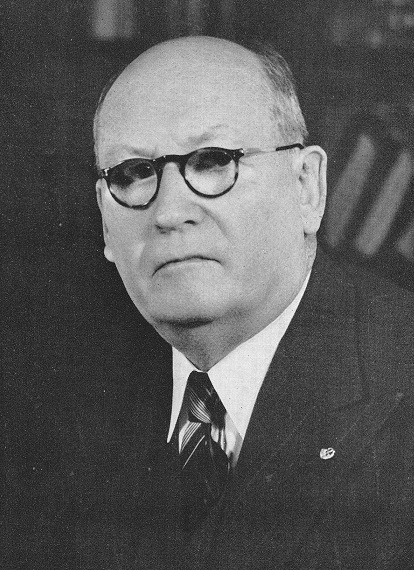


Political career and ideology
Malan was an influential leader within Afrikaner nationalism, promoting a political vision that emphasized cultural separatism, preservation of white political power, and Protestant social values. He rose to prominence as the head of the National Party and led it to victory in the 1948 election. Once in office, his administration used parliamentary majorities to institute laws and administrative measures enforcing racial separation in many areas of life.
Policies enacted and their character
Under Malan’s government the state moved from informal segregation to a coordinated legal framework that regulated marriage, residence, employment, and political participation by race. The program relied on classification, restricted interracial contact in specified circumstances, and expanded administrative bureaucracies to enforce segregation. These measures marked a substantial intensification of government control over the daily lives and civil status of non‑white communities.
Consequences and legacy
The policies initiated during Malan’s premiership set the institutional foundation for decades of systematic racial discrimination. They provoked sustained opposition from domestic actors, including political parties, trade unions, churches and community groups, and eventually drew international condemnation. The effects of these policies shaped South African society throughout the twentieth century and are central to discussions of justice, memory, and reconciliation in the country’s later history.
Controversy and remembrance
Malan’s role remains highly controversial. Supporters at the time argued he defended Afrikaner interests and cultural identity; critics emphasize the human cost of legalized racism and social exclusion. Historical assessment treats his premiership as a turning point when segregationist ideas became formal state doctrine. Contemporary scholarship and public debate examine both the political tactics that enabled his rise and the long‑term impact of the laws his government put in place.
Further reading
- For an introduction to the system launched under Malan, see general discussions of apartheid.
- Biographical treatments and histories of twentieth‑century South Africa place his administration in the broader arc of Afrikaner nationalism and the resistance movements it provoked.
Related articles
Author
AlegsaOnline.com Daniel François Malan — South African prime minister and architect of early apartheid Leandro Alegsa
URL: https://en.alegsaonline.com/art/117029
Sources
- britannica.com : "Daniel F. Malan - South African politician"