
Steven Spielberg — American filmmaker and producer
Comprehensive overview of Steven Spielberg: his life, career, notable films, style, awards, and influence on modern cinema.
Steven Spielberg (born December 18, 1946) is an American filmmaker whose work has shaped mainstream cinema for more than five decades. He is widely known for directing and producing large‑scale, emotionally driven films that range from suspenseful thrillers and family adventures to historical dramas. Spielberg's storytelling often blends spectacle with human feeling and has had a lasting effect on film language, the modern blockbuster, and the Hollywood industry.
Image gallery
10 Images
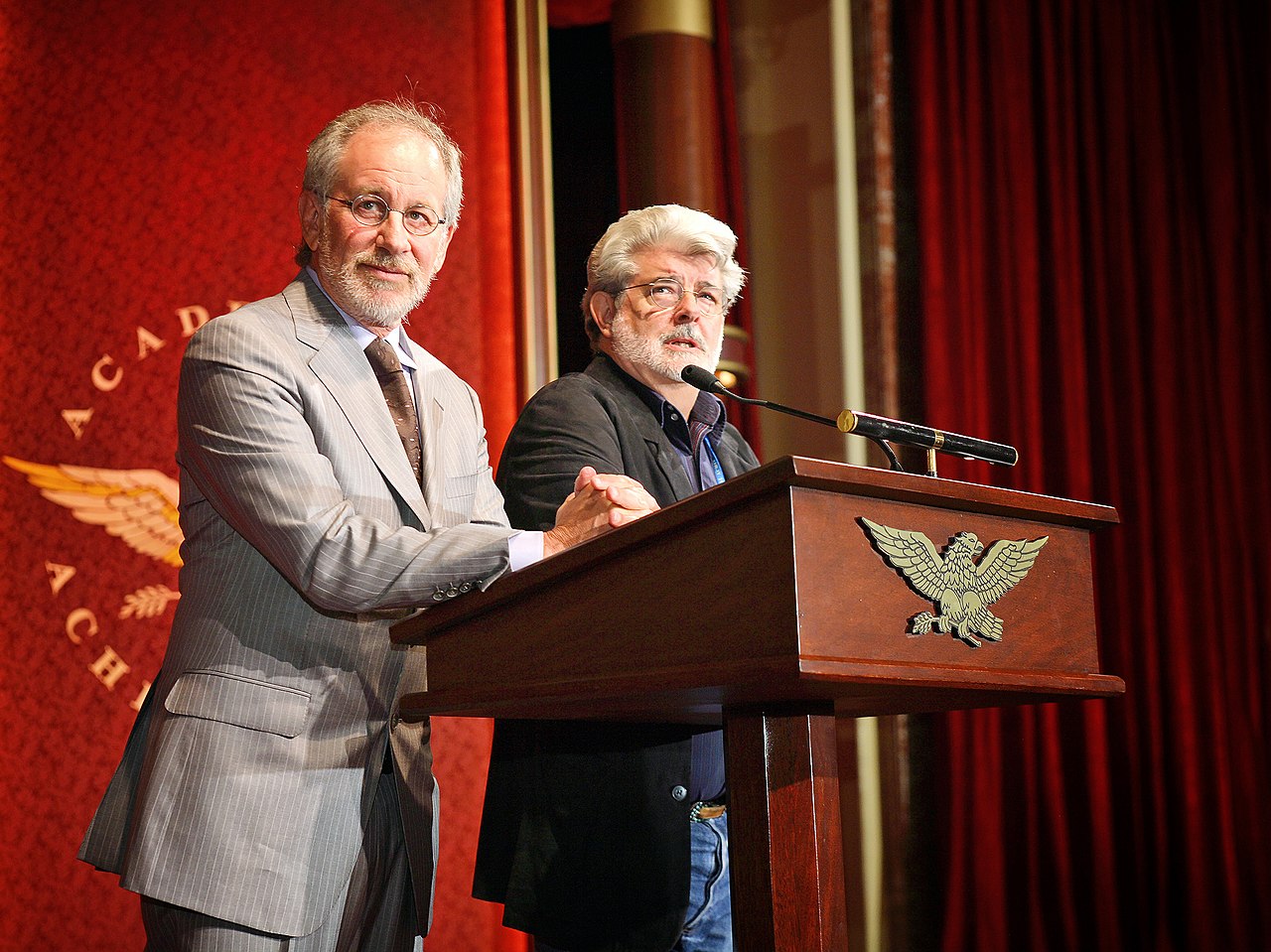


Early life and education
Spielberg was born in Cincinnati, Ohio, to Leah and Arnold Spielberg. He grew up in a Jewish family with Eastern European roots and spent parts of his childhood in several communities, attending Saratoga High School before moving into film studies at California State University, Long Beach. As a teenager he made short 8 mm films and developed an early interest in directing, editing and special effects, which guided his choice of career and his practical approach to motion pictures.
Career and cinematic style
Spielberg began working in television and made his breakthrough as a feature director in the 1970s. His films are noted for clear, emotionally accessible narratives, a strong sense of pacing, and recurring motifs such as childhood wonder, family dynamics, moral dilemmas, and awe-inspiring set pieces. He frequently collaborated with composer John Williams and cinematographers who helped create visually distinctive techniques often described as "Spielbergian" — expressive camera movement, carefully framed moments of wonder or fear, and a focus on the perspective of young protagonists.
Major films and achievements
Across his career Spielberg has directed and produced a wide variety of commercially successful and critically acclaimed films. Early popular breakthroughs include Jaws, which helped define the modern summer blockbuster; Indiana Jones, an action‑adventure franchise; E.T. the Extra‑Terrestrial, a family classic; and Jurassic Park, a landmark in visual effects. He also turned to serious historical subjects with Schindler's List and Saving Private Ryan, both of which earned him Academy Awards for Best Director. He co‑founded production companies that became influential forces in Hollywood, and he helped shape industry practices and film ratings discussions.
Awards, honors and influence
Spielberg's work has been recognized with multiple Academy Awards, Golden Globes, BAFTAs and lifetime achievement honors. Beyond trophies, his influence is visible in the economics of Hollywood (the summer blockbuster model), the rise of effects-driven storytelling, and the careers of filmmakers who cite his techniques and narrative instincts as formative. He has been the subject of retrospectives and honored by major film institutions for his contributions to cinema.
Personal life and public role
Spielberg's personal life has been covered in public accounts: he has been married twice and is known for balancing large cinematic projects with producing, mentorship and philanthropic activity. He has taken on historical themes that engage with memory and ethics, and he has participated in public conversations about film ratings and industry standards.
Notable facts and further reading
Notable aspects of Spielberg's career include his role in popularizing the blockbuster, his collaborations with frequent creative partners, and his shift between entertainment and serious historical drama. For more focused information and resources, see the links below.
- Early biography and background
- Family and ancestry
- Religious and cultural heritage
- Arnold Spielberg (family)
- Childhood and upbringing
- Education and film studies
- Jaws (1975) and its impact
- Jurassic Park and effects innovation
- Indiana Jones series
- E.T. the Extra‑Terrestrial
- Saving Private Ryan
- Amy Irving (personal life)
- Kate Capshaw (personal life)
- Academy Awards and nominations
- Lifetime honors and fellowships
- Notable public acknowledgments
- Industry influence and legacy
Questions and answers
Q: What is Steven Spielberg's date of birth?
A: Steven Spielberg was born on December 18, 1946.
Q: Where was he born?
A: He was born in Cincinnati, Ohio.
Q: What year did he start his movie career?
A: He started his movie career learning to direct in 1975.
Q: Where did he grow up?
A: He grew up in Haddon Township, New Jersey.
Q: What university did he attend?
A: He attended California State University, Long Beach.
Q: How many Academy Awards has he won for best director?
A: He has won two Academy Awards for best director - Schindler's List and Saving Private Ryan.
Q: In what year did Spielberg marry Amy Irving?
A: Spielberg married Amy Irving in 1985.
Author
AlegsaOnline.com Steven Spielberg — American filmmaker and producer Leandro Alegsa
URL: https://en.alegsaonline.com/art/131284