
Daniel Ellsberg — Pentagon Papers whistleblower and activist
American military analyst who released the Pentagon Papers in 1971, provoking a landmark free-press case and later advocating against secrecy, nuclear danger, and for whistleblower protections.
Overview
Daniel Ellsberg (born 1931) is an American former military analyst and later activist best known for making public a classified study of U.S. policy on the Vietnam War known as the Pentagon Papers. His disclosures to newspapers, including copies provided to outlets such as the Washington Post, triggered intense public debate about government secrecy, the conduct of the war, and the role of the press.
Image gallery
9 Images

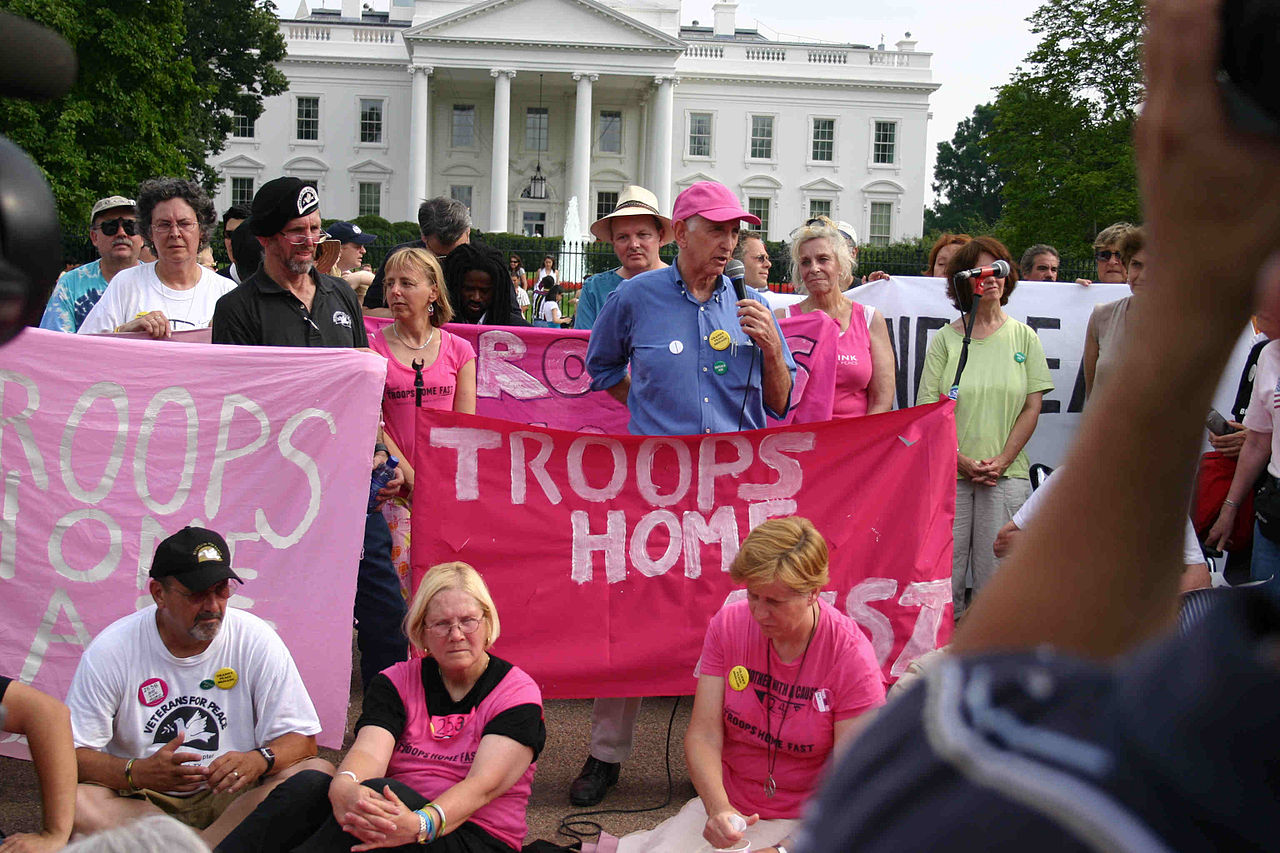


Background and role
Trained as a government analyst and employed in positions that involved national security assessments, Ellsberg had access to a comprehensive internal history of American decisions on Vietnam. He concluded that public accounts and official statements had repeatedly misrepresented the extent and character of U.S. involvement. Acting on that conviction, he copied portions of the study and provided them to journalists so the public could see the material directly.
Aftermath and legal consequences
The publication of the documents led to one of the most significant press-freedom disputes of the 20th century, culminating in the Supreme Court decision often called New York Times v. United States. Ellsberg was criminally charged under statutes used to prosecute leaks, but the case against him was dismissed when prosecutors revealed procedural misconduct and other irregularities. The episode raised enduring questions about the balance between national security and the public's right to know.
Later activity and writings
Following the controversy, Ellsberg became an outspoken critic of secrecy and of policies he saw as dangerous, including certain nuclear doctrines. He authored memoirs and analytical books discussing the moral and strategic implications of American policy and has lectured widely on whistleblowing, transparency, and disarmament. His experience became a touchstone in debates over how democracies handle classified information.
Significance and notable points
- Ellsberg's release shifted public understanding of the Vietnam era by revealing internal deliberations and assessments.
- The legal battles that followed clarified limits on prior restraint and influenced journalism practice and First Amendment law.
- His case remains frequently cited in discussions of whistleblower protections, national security leaks, and the ethics of disclosure.
Today Ellsberg is remembered both for the concrete impact of the documents he released and for stimulating broader reflection on accountability, the responsibilities of officials, and the protections afforded to those who disclose wrongdoing in the public interest.
Related articles
Author
AlegsaOnline.com Daniel Ellsberg — Pentagon Papers whistleblower and activist Leandro Alegsa
URL: https://en.alegsaonline.com/art/117028
Sources
- doi.org : 10.2307/1884324