
Lincoln (2012 film)
Steven Spielberg's 2012 historical drama about Abraham Lincoln, focusing on political strategy to pass the 13th Amendment. Stars Daniel Day-Lewis and is based on Doris Kearns Goodwin's Team of Rivals.
Overview
Lincoln (film) is a 2012 historical drama that portrays a segment of Abraham Lincoln's presidency near the end of the American Civil War. Directed by Steven Spielberg from a screenplay adapted by Tony Kushner, the film concentrates on Lincoln's political efforts to secure passage of the Thirteenth Amendment, which abolished slavery in the United States. It blends courtroom and legislative scenes with quieter character moments to explore leadership, compromise and moral purpose.
Image gallery
7 Images

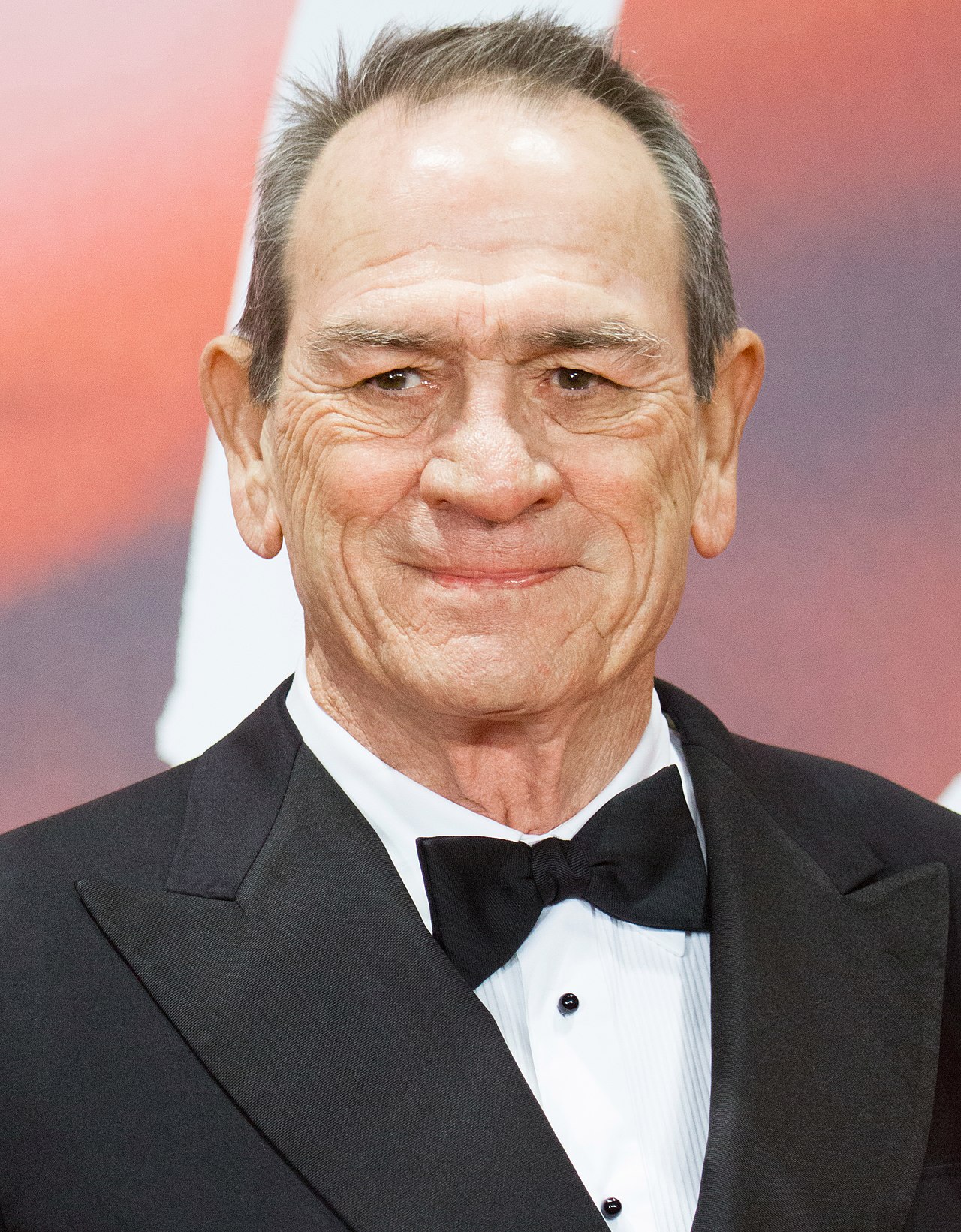



Production and principal cast
The picture was produced through a collaboration among Hollywood studios and labels, including Touchstone Pictures and DreamWorks, with additional distribution partners. Daniel Day-Lewis portrays Abraham Lincoln and received widespread recognition for the performance. The cast includes leading and character actors in key supporting roles, depicting political allies, adversaries and Lincoln's family, and the film is noted for its period production design, costumes and attention to 19th-century detail.
Source material and historical focus
The screenplay draws heavily on historical research and on Doris Kearns Goodwin's book Team of Rivals, which examines Lincoln's political relationships and his strategy of assembling former rivals into a governing cabinet. Rather than a full life story, the film concentrates on a specific legislative struggle and situates events within the larger context of the Civil War, emancipation debates and the political maneuvering of Congress.
Reception and awards
Critics praised the film for its performances, direction and period realism. Reviewers especially highlighted the lead acting and the film's measured, dialogue-rich approach to political history. As a biographical drama, it was recognized in major awards competitions, winning notable honors and earning multiple nominations for acting, direction and technical achievements. It is often cited in discussions of modern historical filmmaking.
Significance and discussion
The film helped renew public interest in Lincoln's presidency and in the parliamentary process behind emancipation. It sparked conversations about historical accuracy versus dramatic shaping, and about how cinema represents complex political decisions. Educators and commentators have used scenes from the film to illustrate legislative tactics and leadership during crisis.
Notable facts
- The movie emphasizes political strategy and moral questions over battlefield action.
- It is frequently referenced in contemporary cultural and academic examinations of Lincoln's legacy.
- Production values and period detail were widely noted by reviewers and historians.
Questions and answers
Q: What is the movie Lincoln about?
A: The movie Lincoln is a biographical war drama that is based on events during the life of the 16th POTUS Abraham Lincoln.
Q: Who made the movie Lincoln?
A: The movie was made by Disney's Touchstone label, DreamWorks, and 20th Century Fox.
Q: What book was the movie Lincoln based on?
A: The movie Lincoln is based on Doris Kearns Goodwin's book Team of Rivals: The Political Genius of Abraham Lincoln.
Q: What genre is the movie Lincoln?
A: Lincoln is a biographical war drama movie.
Q: Who is the main character in the movie Lincoln?
A: The main character in the movie Lincoln is the 16th POTUS Abraham Lincoln.
Q: What is the source material for the movie Lincoln?
A: The source material for the movie Lincoln is Doris Kearns Goodwin's book Team of Rivals: The Political Genius of Abraham Lincoln.
Q: When was the movie Lincoln released?
A: The movie Lincoln was released in 2012.
Related articles
Author
AlegsaOnline.com Lincoln (2012 film) Leandro Alegsa
URL: https://en.alegsaonline.com/art/58171
Sources
- deadline.com : "Disney Dates Steven Spielberg's 'Lincoln' Into Awards-Season Fray"
- boxofficemojo.com : Lincoln's budget