
Christopher Wren (1632–1723)
English architect, mathematician and astronomer Christopher Wren (1632–1723) played a central role in rebuilding London after the Great Fire, designing St Paul's Cathedral and many churches, public buildings and colleges.
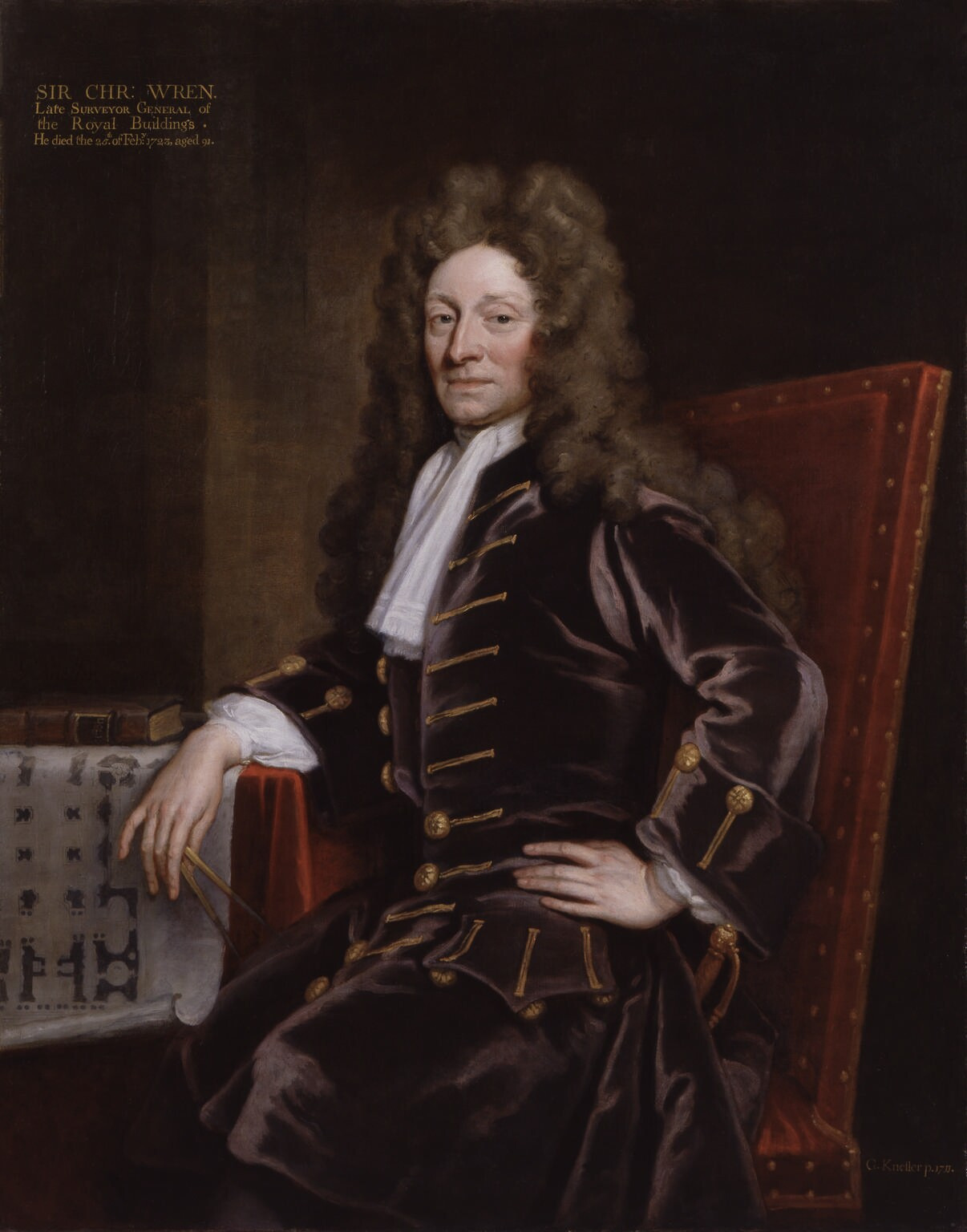
Christopher Wren (20 October 1632 – 25 February 1723) was a 17th-century English architect, astronomer and geometer. After the Great Fire of London he helped reshape London, designing dozens of churches including the rebuilt St Paul's Cathedral.
He was born in East Knoyle, Wiltshire, in England and was educated at Westminster School and at Oxford. From an early age he showed a gift for mathematics and experimented with scientific instruments.
In 1657 Wren became a professor of astronomy at Gresham College in London; four years later he held the same post at Oxford (professor of astronomy). He was one of the founding figures of the Royal Society and continued to combine scientific inquiry with practical design.
His turn to architecture drew on studies in physics and engineering, and by the mid-1660s he was receiving important commissions.
Early works included the Sheldonian Theatre in Oxford and a chapel for Pembroke College, Cambridge. A visit to Paris introduced him to French and Italian Baroque approaches that influenced his later designs.
The Great Fire of London in 1666 destroyed much of the medieval city. Wren proposed broad rebuilding schemes but ultimately concentrated on individual buildings: he was responsible for around 51 city churches and the new St Paul's Cathedral. In 1669 he was made surveyor of the royal works and he was knighted in 1673.
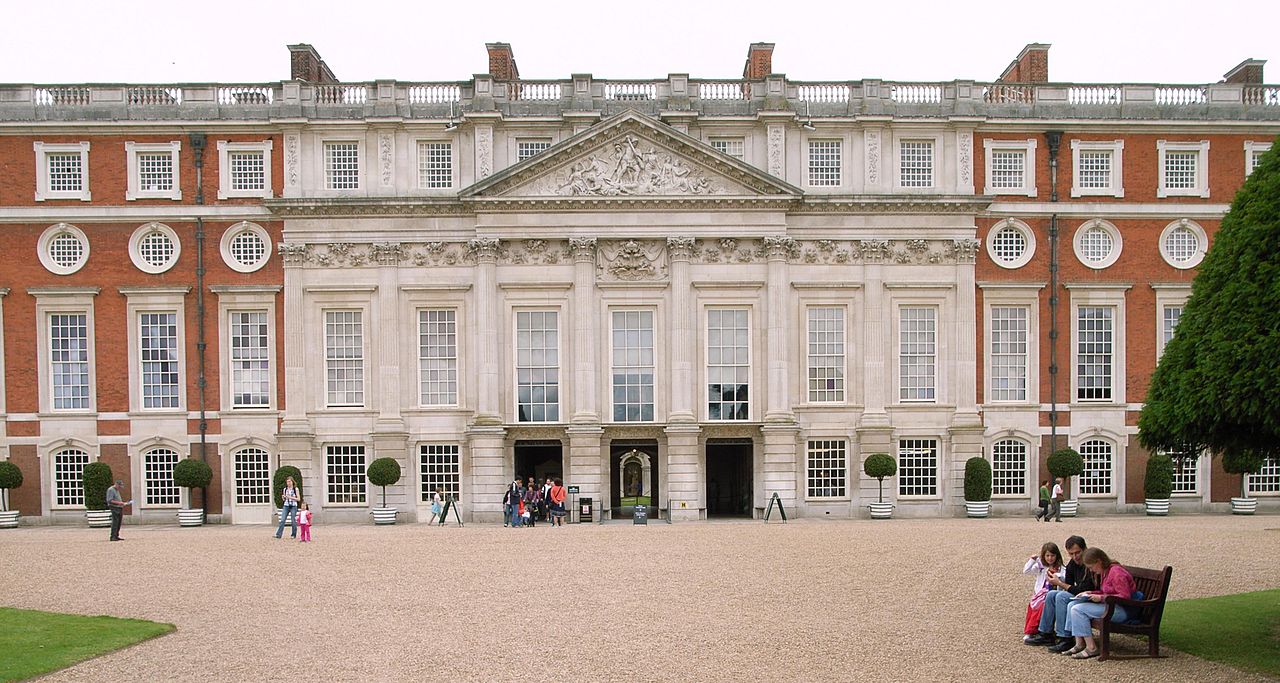
Later commissions included the Royal Observatory at Greenwich, a hospital in Chelsea for retired soldiers, and a sailors' hospital at Greenwich. He designed the Trinity College Library in Cambridge and worked on the facade of Hampton Court Palace. His teams included skilled artisans such as the carver Grinling Gibbons.
Wren died on 25 February 1723 and was buried in St Paul's Cathedral. His tomb bears a Latin inscription commonly rendered as: "If you seek his memorial, look about you."
Image gallery
10 Images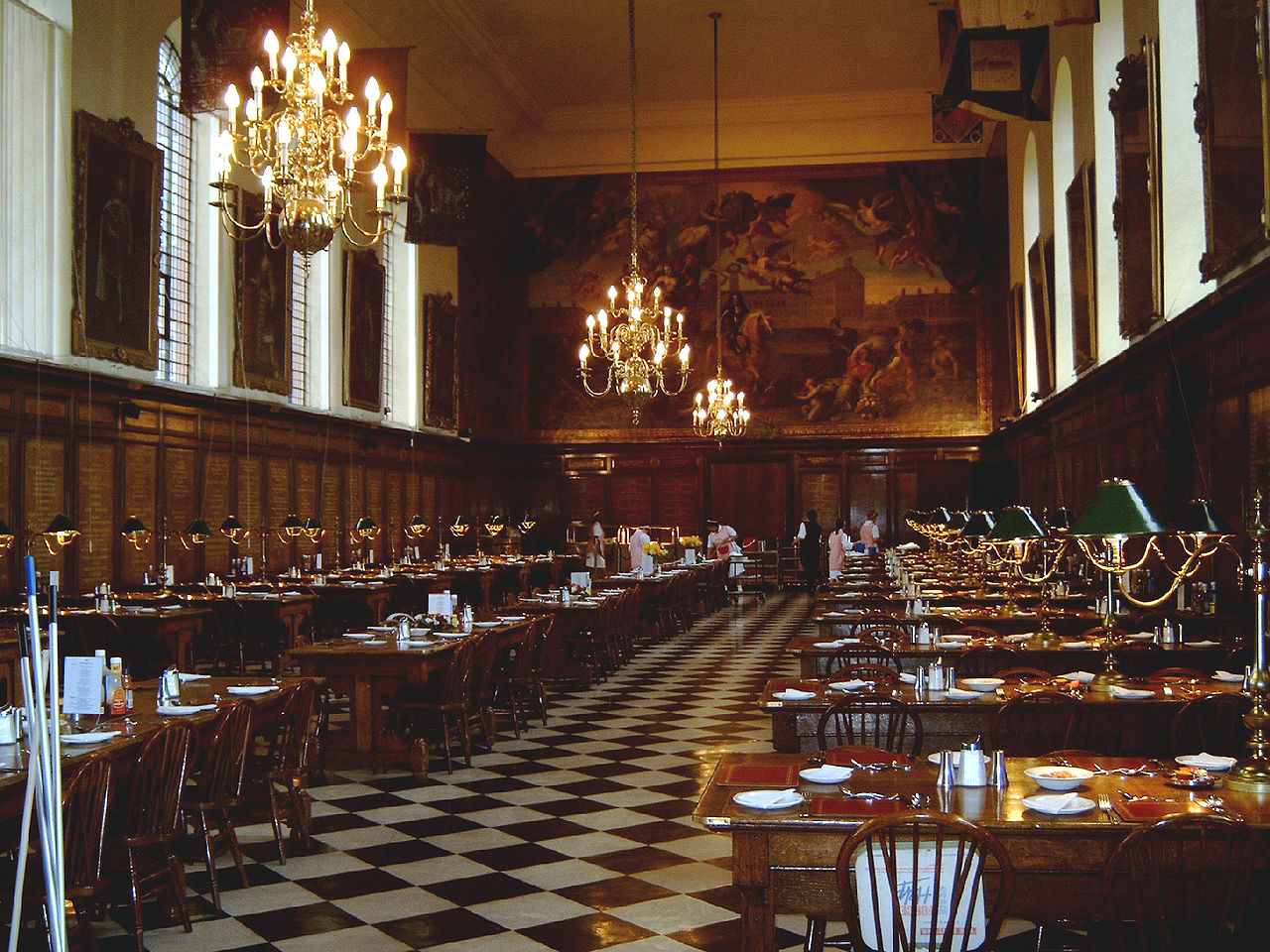


Related articles
Author
AlegsaOnline.com Christopher Wren (1632–1723) Leandro Alegsa
URL: https://en.alegsaonline.com/art/116482
Sources
- bbc.co.uk : BBC: Christopher Wren