
St Paul's Cathedral, London: history, architecture and significance
Anglican cathedral in the City of London, rebuilt by Sir Christopher Wren after the Great Fire. Noted for its dome, state occasions, and long history from early medieval origins to modern times.
Overview
St Paul's Cathedral is the principal church of the Diocese of London in the Church of England and a major landmark in the City of London. The present building, famous for its large dome and riverside silhouette, dates from the late 17th and early 18th centuries and continues to function both as a place of worship and as a public monument visited by many thousands each year.
Image gallery
10 Images


Origins and historical development
The site has hosted a succession of Christian churches since the early medieval period. An early cathedral established by Bishop Mellitus around 604 AD served the East Saxons (East Saxons) and marked the Christian presence in early London. Over the centuries several earlier cathedrals on or near the site were damaged or destroyed by fires and rebuilding, notably losses in 962, 1087 and the catastrophic Great Fire of London in 1666, which destroyed the medieval "Old St Paul's."
Wren's rebuilding and architectural character
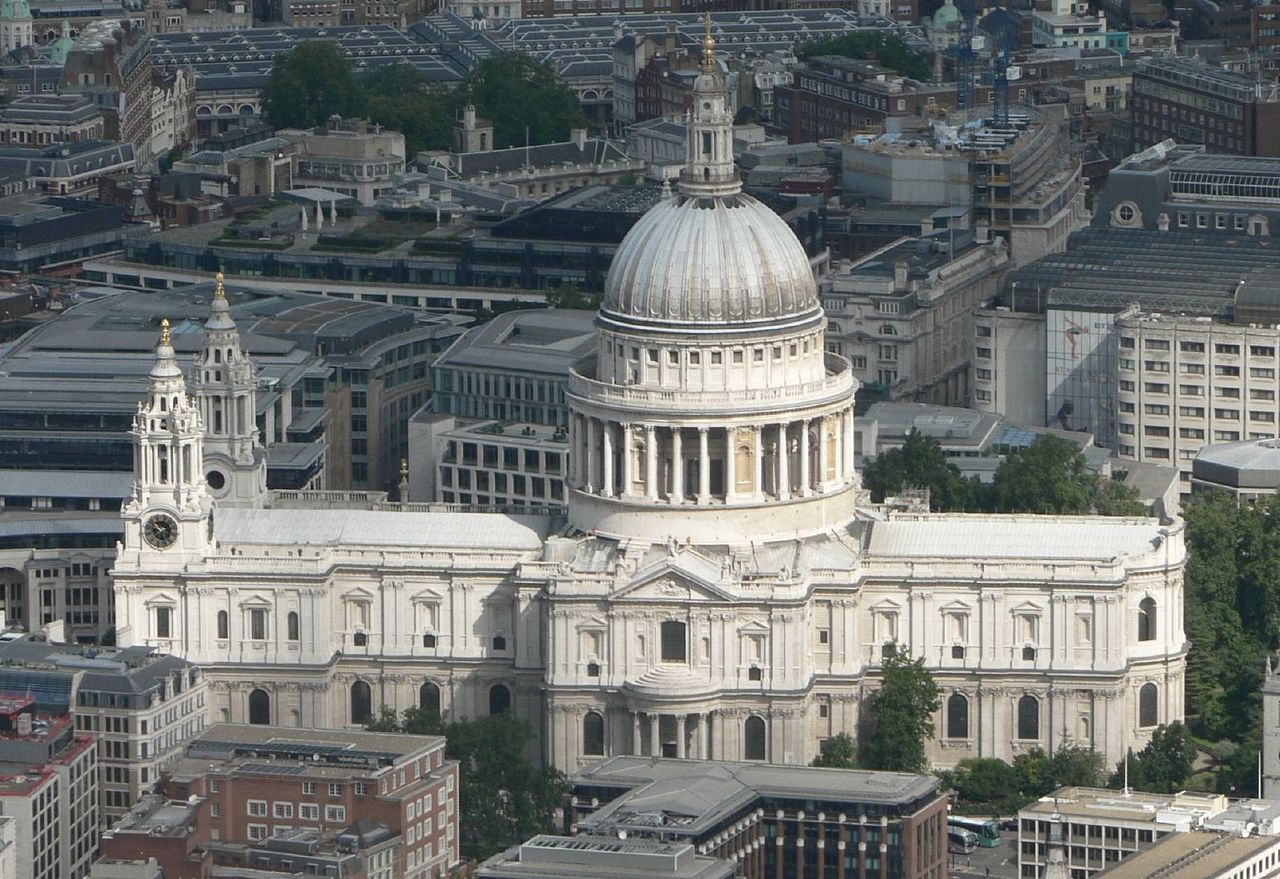
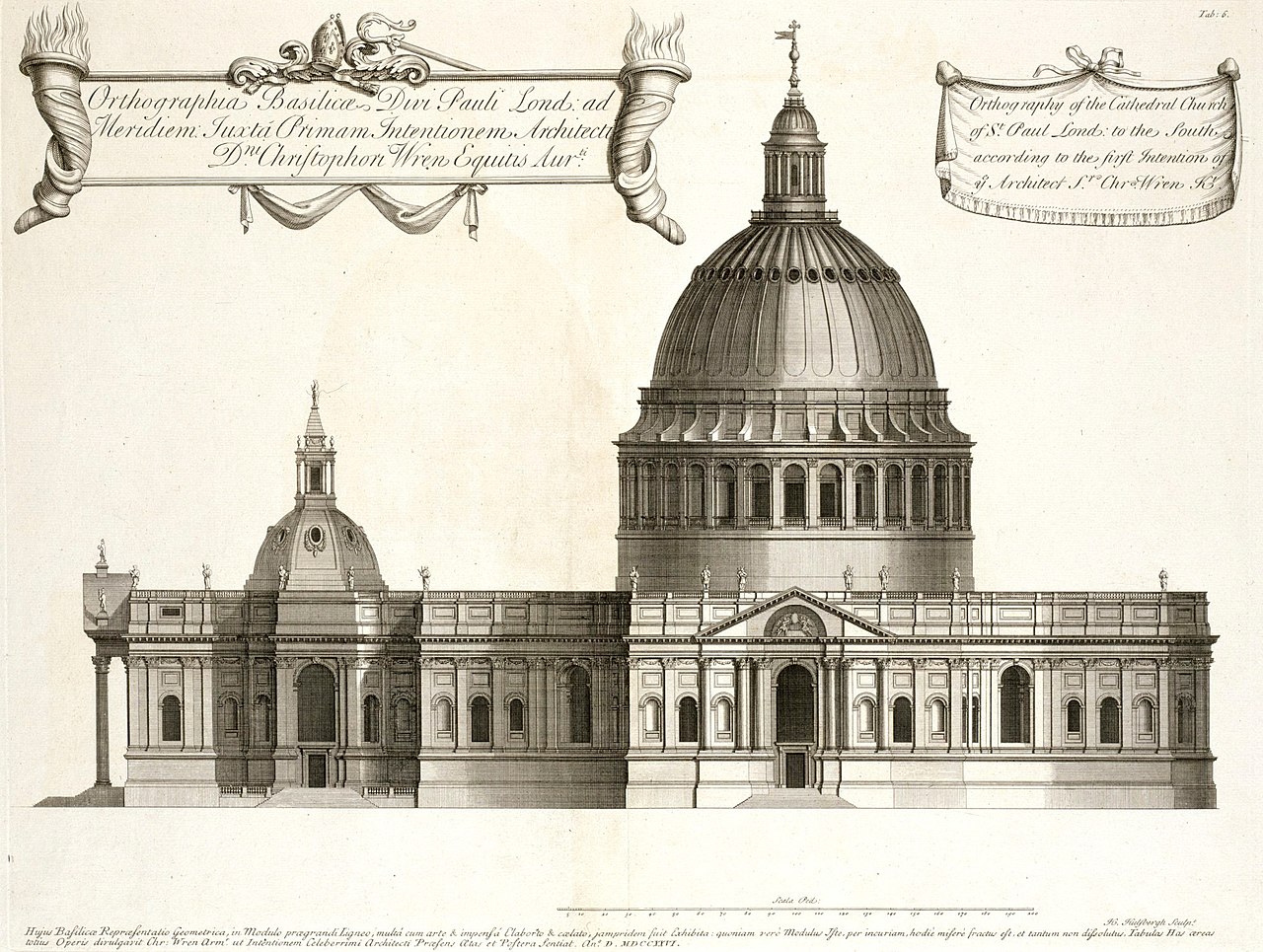
The cathedral that stands today was designed by Sir Christopher Wren, who was commissioned to rebuild much of the City after the 1666 fire. Wren prepared schemes that blended classical, Renaissance and Baroque influences into a distinctly English expression. The stone-faced exterior is dominated by a triple-tiered pediment and a hemispherical dome rising to the cross at approximately 365 feet (111 m), making it one of the highest church domes in the world. Local Portland limestone provides the principal facing material.
Plan and principal parts
- West towers and nave: the public face toward the city.
- Transept and choir: liturgical heart used for cathedral services.
- Dome, with the Whispering Gallery, Stone Gallery and Golden Gallery: internal galleries offering views and acoustic peculiarities.
- Crypt: houses tombs and memorials of notable figures and provides a museum-like space.
Uses, ceremonies and cultural role
St Paul's has hosted national services and civic ceremonies, including state funerals, thanksgiving services and royal events. It survived the Blitz during World War II and became a potent symbol of endurance—an image often associated with wartime London. It remains an active cathedral with daily worship, education programs and a significant tourism presence.
Conservation, visitors and notable facts
Like many historic stone buildings, St Paul's has required periodic restoration and cleaning to address weathering, pollution and repair after wartime damage. Visitors can explore the crypt, climb galleries in the dome, and learn about the cathedral's architecture and history. More detailed resources are available from diocesan and conservation publications; for general visitor information see the cathedral's official guides and heritage materials provided by diocesan authorities and cultural organizations such as Great Fire histories and architectural studies linked below.
Further reading and practical information: Christopher Wren's works, architectural styles, and the cathedral's role within the Church of England offer useful context.
Related articles
Author
AlegsaOnline.com St Paul's Cathedral, London: history, architecture and significance Leandro Alegsa
URL: https://en.alegsaonline.com/art/93190