
Westminster School: history, structure, and notable features
Overview of Westminster School (the Royal College of St. Peter in Westminster): its origins beside Westminster Abbey, academic profile, organisation (Under School, main school, sixth form), boarding, houses and notable alumni.
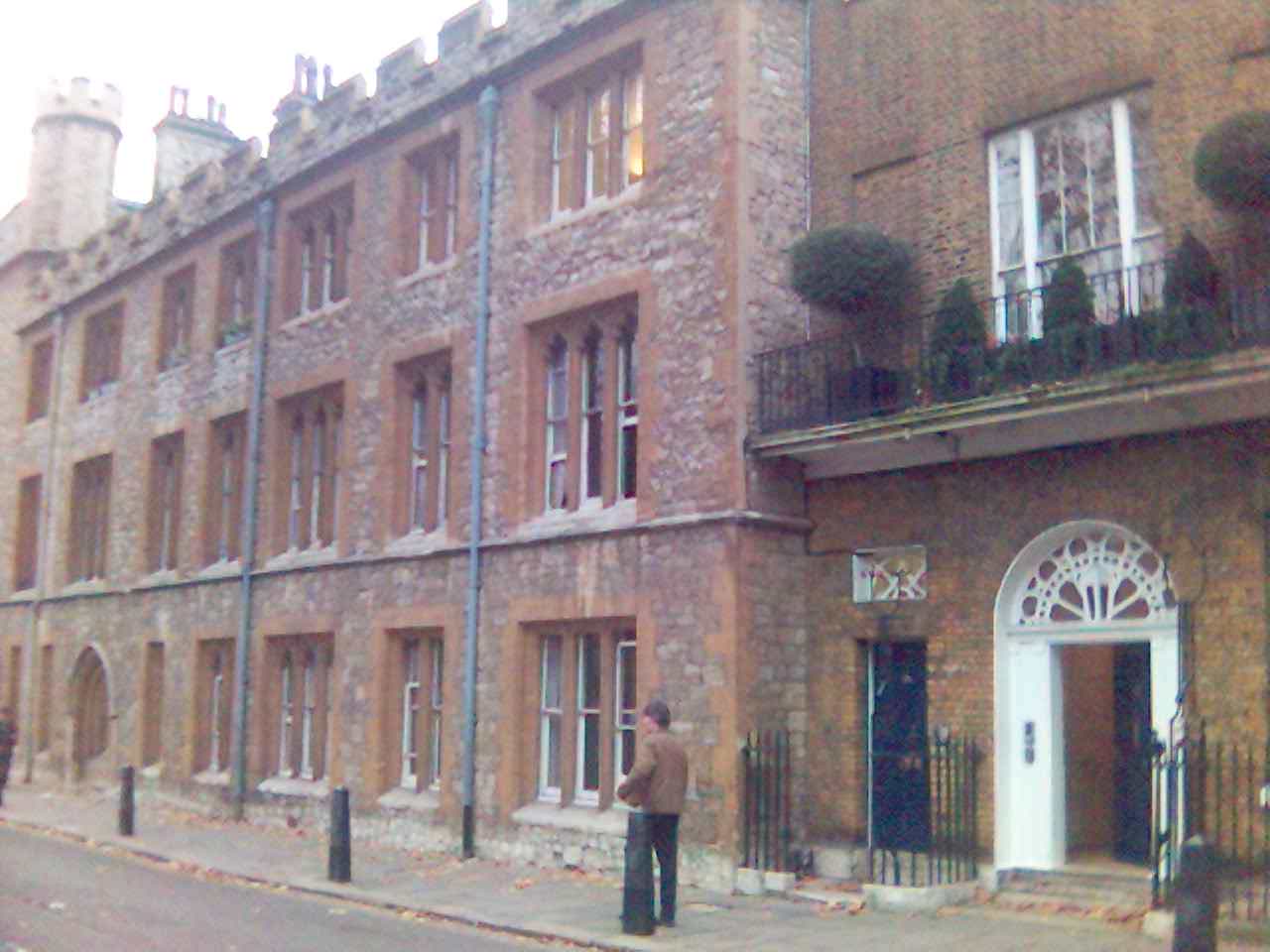
The Royal College of St. Peter in Westminster, generally known as Westminster School, is one of the United Kingdom's oldest and most prominent independent schools. Located beside Westminster Abbey in central London, the school combines a medieval foundation with a contemporary academic reputation. It occupies historic buildings close to the Palace of Westminster and benefits from proximity to national institutions, museums and universities in central London.
Image gallery
10 Images




Origins and early history
Westminster School traces its origins to a choral and cathedral school associated with the Abbey and existed before the 12th century. Over many centuries the institution developed from a monastic or ecclesiastical grammar school into a distinct educational foundation with strong ceremonial and institutional links to the Abbey. These links are reflected in aspects of governance, chapel life and certain traditional events that continue to mark the school's character.
Location and buildings
The school's footprint sits within a dense historic area of the capital, and it occupies a number of buildings of varying ages and uses. Its central location has influenced curricular and extracurricular opportunities: pupils and staff make use of nearby cultural and civic resources, and the school’s presence beside major national sites contributes to its public profile and ceremonial calendar.
Organisation, admissions and academic profile
Westminster comprises an Under School for younger boys, a main school for pupils from the early teens, and a sixth form that also admits girls. Boys usually enter the Under School at about seven years old and transfer to the main school at around thirteen; information on the preparatory stage is described on the Under School page here. Girls have been admitted at sixth-form level. Admissions are selective and competitive; the school offers both day and boarding places. Westminster is widely recognised for the high proportion of leavers who progress to Oxford and Cambridge universities and for strong public examination results.
Boarding, houses and school life
Approximately a third of pupils typically board in the school's houses, though many boarders return home at weekends after a Saturday morning session. The school is organised into eleven houses, each providing pastoral support, social identity and inter-house competition. Housemasters and house staff play a central role in welfare, discipline and the organisation of internal activities. Daily life mixes academic tuition, chapel or communal services, musical and theatrical activities, and sporting fixtures.
Traditions and community
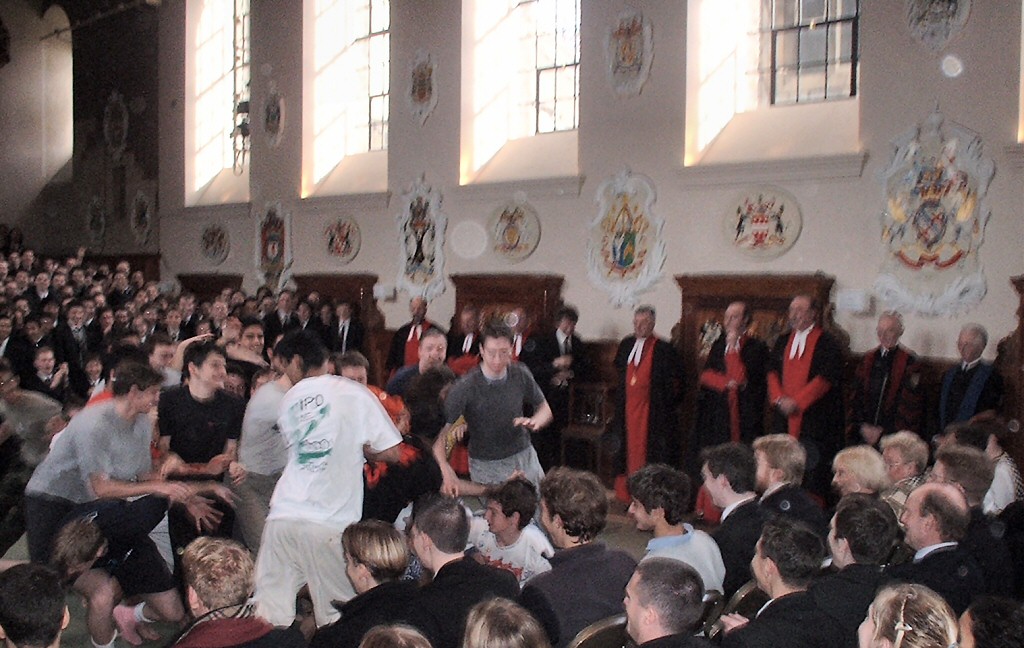
Westminster retains a number of long-standing traditions linked to its Abbey setting and to its place in English educational history: formal services, certain ceremonial events and links with former pupils and governors are all part of institutional life. At the same time the school has adapted modern approaches to pastoral care, co-curricular breadth and university guidance.
Notable alumni and public influence
The school’s former pupils include influential figures in literature, science, politics and architecture. Examples of well-known alumni are listed below; each name here indicates the school’s long influence across public life:
- Nick Clegg (politician)
- Ben Jonson (poet and playwright)
- Robert Hooke (scientist)
- Christopher Wren (architect)
- Jeremy Bentham (philosopher)
- A. A. Milne (author)
Modern developments and widening access
In recent years Westminster has been involved in initiatives to widen access to high-quality post-16 education. The school partnered with others to establish a selective sixth-form programme intended to support talented students, including those from less advantaged backgrounds, and to combine high academic expectations with outreach and support. Further background and current institutional information is available on the school’s general pages and historical summaries here and here.
- Key features: medieval foundation and Abbey connection; selective admissions; day and boarding options; strong progression to leading universities.
- Community life: Under School intake, eleven-house system, chapel services and diverse extracurricular programme.
- Further information: admissions, academic programmes and the Under School are described in dedicated resources Ben Jonson, Robert Hooke.
Westminster School continues to balance a historic identity with the practical demands of modern secondary education, offering a mix of tradition, academic focus and wider cultural engagement in the heart of London.
Related articles
Author
AlegsaOnline.com Westminster School: history, structure, and notable features Leandro Alegsa
URL: https://en.alegsaonline.com/art/107575
Sources
- telegraph.co.uk : "GCSE results 2013: Independent schools table"
- westminster.org.uk : westminster.org.uk
- standard.co.uk : "State sixth forms aren't inspiring pupils, says new academy head"