
Greenwich, London: history, landmarks and scientific legacy
Greenwich is a riverside district in southeast London known for its maritime history, the Royal Observatory and the Greenwich Meridian, royal palaces, and UNESCO cultural heritage.
Overview
Greenwich is a district in southeast London with a long and varied history as a royal residence, naval centre and scientific focus. Located about eight to nine kilometres east-southeast of central London, it sits on the south bank of the River Thames and forms the principal town within the Royal Borough of Greenwich. Greenwich is readily measured from central London landmarks such as Charing Cross, a traditional point used for distance and orientation.
Image gallery
10 Images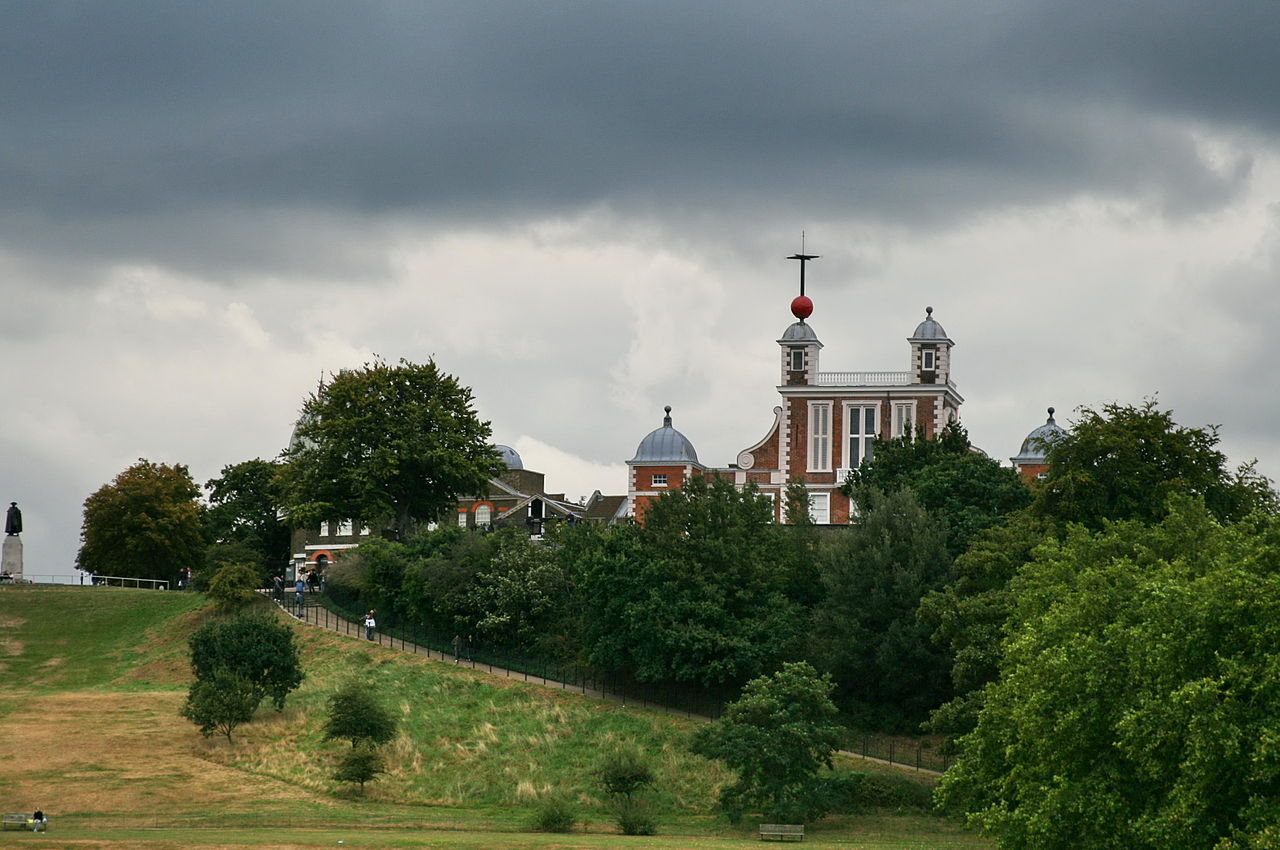




Key landmarks and characteristics
The district combines ceremonial buildings, public parks, museums and riverside development. The skyline and public realm are anchored by the Royal Observatory, historic naval facilities, and a conserved Georgian and Victorian town centre. Notable features include:
- The Royal Observatory and the line of the prime meridian, which define zero degrees longitude and underpin global timekeeping; the observatory is historically linked to the office of the Astronomer Royal and to Greenwich Mean Time.
- Surviving royal and domestic architecture on the site of the former Palace of Placentia, and later institutional buildings that contribute to the area's character.
- Maritime museums and the preserved fabric of the old naval college and shipyards, now reused for cultural and educational purposes.
History and development
Greenwich has been important since the medieval period, developing around a royal palace that served English monarchs for centuries. The Palace of Placentia produced members of the Tudor dynasty, including monarchs such as Henry VIII and Elizabeth I. The town evolved through periods of decline and reinvestment: the palace and adjacent buildings were affected by national events including the English Civil War, and later parts of the site were repurposed as a hospital for seamen designed by Sir Christopher Wren. That complex ultimately served educational and military roles, later housing a significant naval military college until the late 20th century.
Scientific and cultural importance
The Royal Observatory established Greenwich’s global scientific reputation. From its instruments and timekeeping work sprang the internationally adopted prime meridian and a standardized reference for civil time. Greenwich’s maritime institutions and museums preserve links to Britain’s seafaring past and contribute to public understanding of navigation, astronomy and global trade. The area’s cultural value is recognised through conservation designations and its inclusion on heritage lists.
Modern Greenwich: transport, economy and planning
Today Greenwich combines residential neighbourhoods, visitor attractions and modern commercial development, linked to central London by river services, rail and the Docklands light transit. The riverside location has encouraged regeneration projects that balance conservation of historic fabric with contemporary housing, leisure and retail uses. Historically part of the county of Kent, Greenwich was integrated into the newly created County of London in the late 19th century, reflecting urban expansion and administrative change.
Notable facts and distinctions
Greenwich is widely recognised for establishing a global standard—both the meridian line and timekeeping conventions used worldwide. Its mixture of royal, naval and scientific sites makes it a focal point for visitors and scholars interested in Britain's maritime and scientific heritage. The district remains a lively part of London where historic streets and parks sit alongside museums, educational institutions and riverside amenities.
Questions and answers
Q: What is Greenwich?
A: Greenwich is a district of London.
Q: Where is Greenwich located?
A: Greenwich is located about 8.9 km east south-east of Charing Cross.
Q: What is the significance of the Royal Greenwich Observatory?
A: The Royal Greenwich Observatory was originally built for the Astronomer Royal and created the Greenwich Meridian (0° longitude) and Greenwich Mean Time (GMT).
Q: What is the history of Greenwich?
A: Greenwich has a long history, becoming the site of a royal palace from the 15th century, the birthplace of many members of the Tudor dynasty, and a popular resort in the 17th century.
Q: What happened to the Palace of Placentia?
A: The Palace of Placentia was ruined during the English Civil War and later rebuilt as a hospital by Sir Christopher Wren.
Q: What was created in Greenwich in 1873?
A: A military college was created in Greenwich in 1873, which lasted until 1998.
Q: When did Greenwich become part of London?
A: Greenwich became part of London in 1889 when the County of London was created.
Related articles
Author
AlegsaOnline.com Greenwich, London: history, landmarks and scientific legacy Leandro Alegsa
URL: https://en.alegsaonline.com/art/40787
Sources
- whc.unesco.org : "Maritime Greenwich"
- london2012.com : "Greenwich Park"