
Baroque (European art, architecture, and music, c. 1600–1740s)
Baroque is a dramatic, ornate European style across architecture, painting, music and dance that developed c.1600–1740s, emphasizing contrast, movement and emotional expression.
Overview
The Baroque was a broad cultural movement in Europe that shaped architecture, painting, sculpture, music, dance and the performing arts from the early 17th century into the mid‑18th century. It prized emotional intensity, theatricality and rich surface detail. For pronunciation and variant forms see UK pronunciation and US pronunciation, and for developments in music and opera consult dedicated surveys.
Image gallery
10 Images






Key characteristics
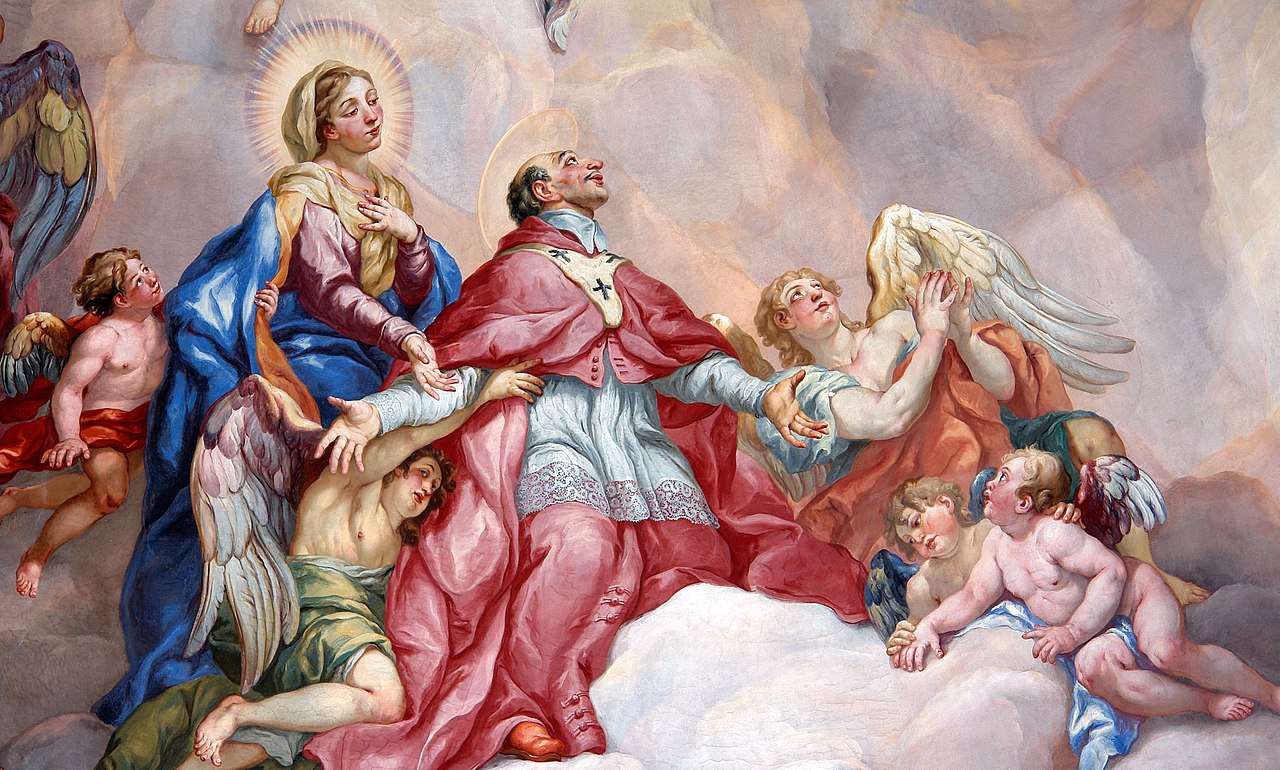
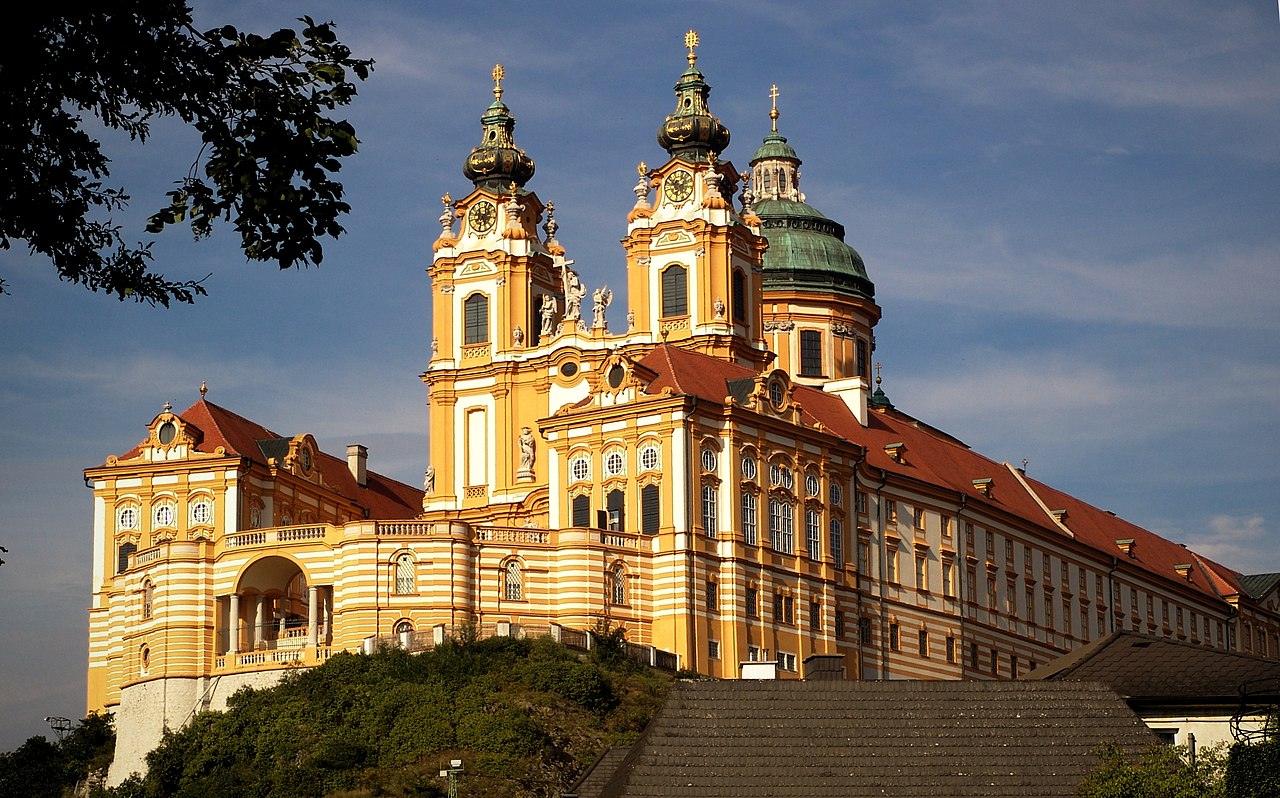
Baroque works favor contrast and movement over the calm balance of the Renaissance. Typical features include dramatic light and shadow in painting, dynamic curves and sculptural ornament in architecture, and energetic rhythm and ornamentation in music. The style often seeks to engage the viewer’s senses and emotions directly.
Origins and development
The style first crystallized in Italy around 1600 and spread through much of Catholic and Protestant Europe. Its early growth was linked to religious and political contexts, including the Catholic Reformation, which used art as persuasive and devotional communication. Over time regional variations emerged, from the monumental church interiors of Rome to more restrained northern approaches.
Forms and notable examples
Baroque expression differs by medium. In architecture and public sculpture it created sweeping church interiors, grand palaces and richly textured façades. In painting the style is associated with strong contrasts of light and shade and vivid storytelling. In music the era produced opera, oratorio and instrumental forms such as the concerto and fugue; composers and architects adapted the vocabulary to local tastes.
Distinctive uses and legacy
The Baroque served religious, political and civic purposes: to inspire piety, display power, and celebrate ceremony. Its influence persisted into the Rococo and later classical revivals, and many Baroque buildings and works remain central to museum collections and liturgical spaces. Study of the period highlights how style responds to cultural needs for persuasion, spectacle and communal experience.
Further reading and context
- Compare Baroque to Renaissance clarity and later Rococo lightness to see its distinct aims.
- Examine period music, architecture, and painting in parallel to understand cross‑disciplinary themes.
- For specialized material on Baroque music and performance practice visit resources linked above.
Tags
Related articles
Author
AlegsaOnline.com Baroque (European art, architecture, and music, c. 1600–1740s) Leandro Alegsa
URL: https://en.alegsaonline.com/art/9073