
Arthur Wellesley, 1st Duke of Wellington — soldier and statesman
Arthur Wellesley (1769–1852), 1st Duke of Wellington, was a leading British military commander and Tory statesman best known for defeating Napoleon at Waterloo and for a long public career.
Overview
Arthur Wellesley, 1st Duke of Wellington was a British military commander and political leader whose career spanned the turn of the 19th century. A Field Marshal and peer, he accumulated honors such as Duke of Wellington and knighthoods including GCB. He also served on the Privy Council. His defeat of Napoleon at the Battle of Waterloo in 1815 secured his reputation and altered European politics. Popular assessments of his importance have continued into modern times — for example he ranked in public polls of notable Britons (BBC poll).
Image gallery
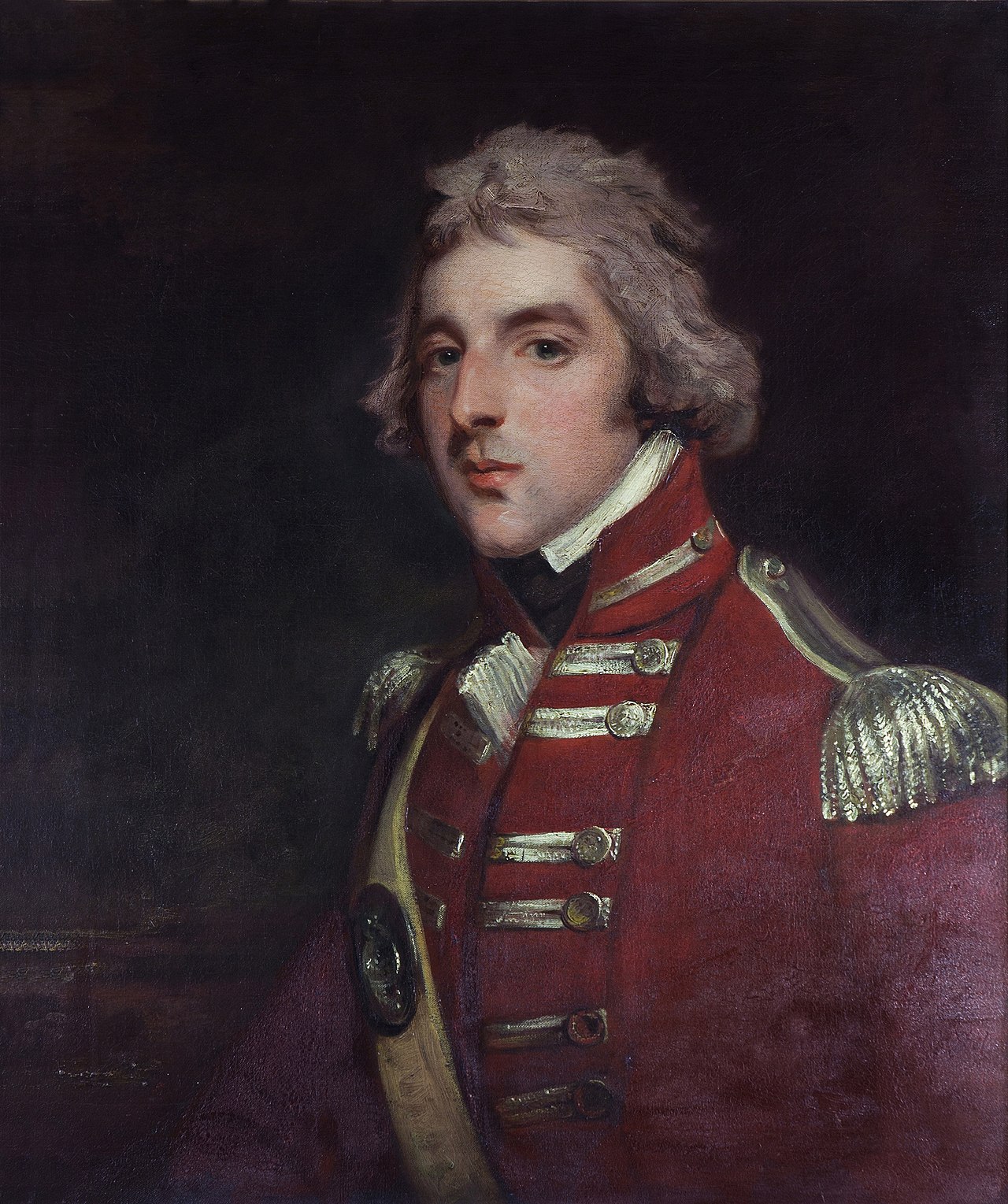
10 Images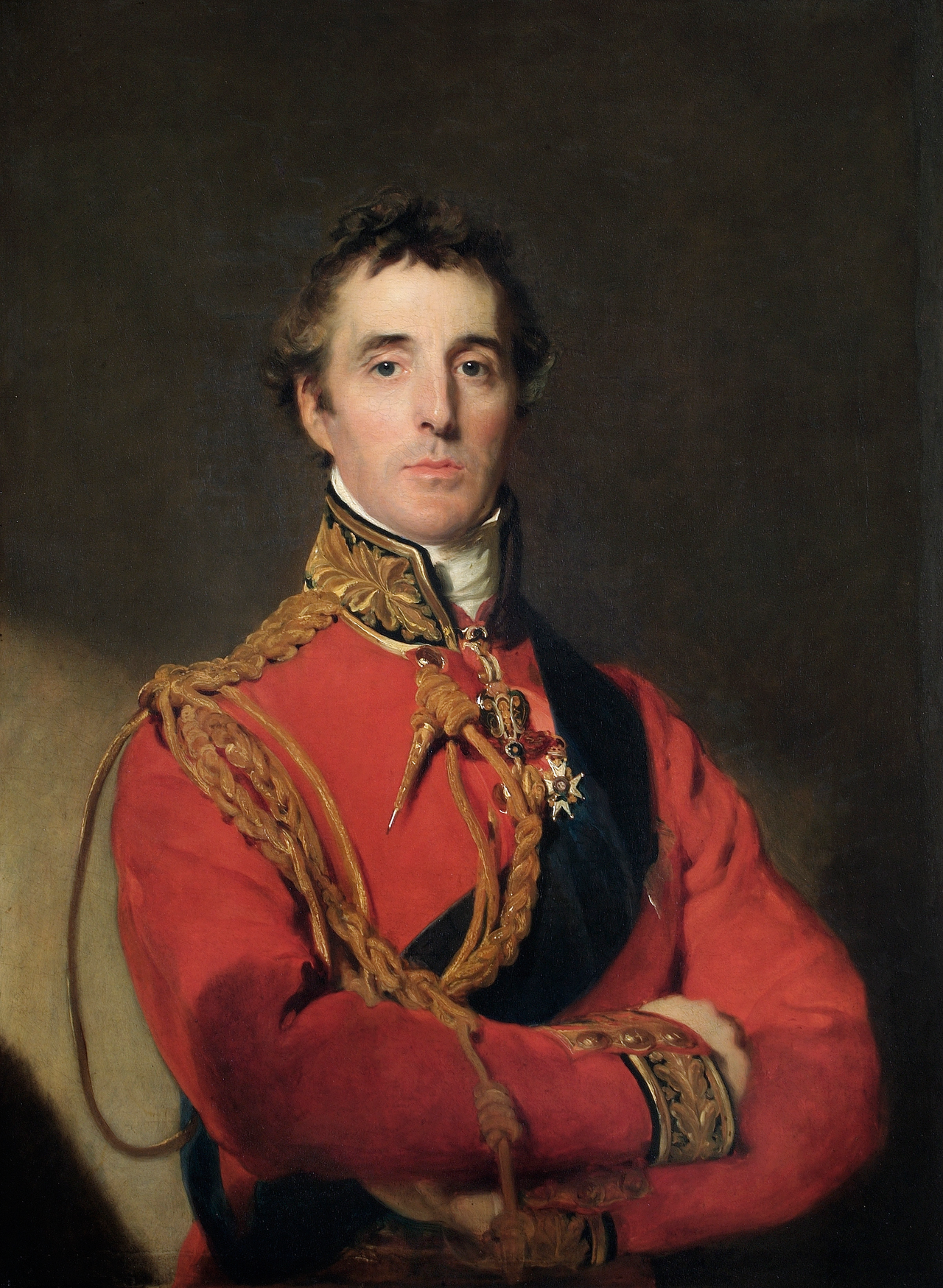




Early life and entry into public life
Wellesley was born into the Anglo‑Irish aristocracy in Dublin in 1769. He purchased or received a commission as an ensign and embarked on a career in the British Army. Over time he developed a reputation both as a capable soldier and an able statesman. His upbringing and connections in Ireland shaped his outlook and brought him early opportunities in service and politics.
Service in India and the Napoleonic era
Wellesley gained crucial combat experience during campaigns in British India, where aggressive field actions and attention to logistics raised his standing among contemporaries. As the wars with revolutionary and Napoleonic France intensified, he became one of Britain’s leading military commanders in the broader conflict known as the Napoleonic Wars. He was later given major responsibility in the Iberian Peninsula during the Peninsular War, where coalition operations against French forces tested both his tactical judgment and political skill in handling allied partners.
Waterloo and military approach
Wellington’s field work emphasized disciplined infantry, careful selection of ground, and coordinated use of cavalry and artillery. These qualities were evident in the final campaign of 1815 when allied armies confronted Napoleon after his return from Elba. The decisive encounter at Waterloo — fought alongside Prussian forces and other contingents — ended Napoleon’s hopes of restoring his empire. Observers have often compared Wellington’s steady, methodical style with earlier British dukes and commanders, including the 1st Duke of Marlborough.
Political career and national roles
After major military successes, Wellesley moved into high political office. He served twice as a Tory Prime Minister of the United Kingdom and remained a prominent voice in the House of Lords through much of his later life. He also held the post of Commander‑in‑Chief of the British Army and maintained influence over military appointments and organization until his death while still formally connected to the British Army. His government years saw him navigate contentious questions such as civil liberties, electoral reform, and religious concessions; on several of these matters he acted cautiously and sometimes reluctantly in response to public pressure and political necessity.
Legacy and distinctions
Wellington’s reputation rests on a combination of battlefield success, administrative skill and long public service. He was honored with peerages and orders and remains a reference point in studies of coalition warfare, civil‑military relations, and 19th‑century British politics. His life illustrates the close ties between military achievement and political power in the era, and his name survives in place names, monuments and institutional histories across Britain and beyond.
- Notable commands and positions: Field Marshal, Duke, Commander‑in‑Chief, Prime Minister.
- Major campaigns: India, Peninsular War, Waterloo.
- Contemporary comparisons: Duke of Marlborough and other senior British commanders; recognition in modern rankings (public poll).
Further reading and sources often cited on Wellesley’s life include official dispatches, contemporary memoirs and later historical studies; digital or printed bibliographies can be consulted via archival and library portals (official registers, regional collections). For concise biographies and explanatory summaries see general reference guides and military histories (military studies, Napoleonic era surveys).
Questions and answers
Q: Who was Arthur Wellesley?
A: Arthur Wellesley was a soldier and statesman who served in the British Army and rose to the rank of Field Marshal. He is best known for his victory over Napoleon at the Battle of Waterloo in 1815.
Q: What family did he come from?
A: Arthur Wellesley came from a wealthy Anglo-Irish aristocratic protestant family.
Q: How did Wellington become a Duke?
A: Wellington became a Duke when Napoleon was exiled to Elba.
Q: How does Wellington compare to the 1st Duke of Marlborough?
A: Wellington and the 1st Duke of Marlborough had many things in common, including being in politics after a highly successful military career.
Q: Was Wellington ever Prime Minister?
A: Yes, Wellington was twice Tory Prime Minister of the United Kingdom.
Q: What position did he hold until his death?
A: Until his death, Wellington remained Commander-in-Chief of the British Army.
Q: In which year was he voted as one of Britain's greatest figures by BBC's poll? A: In 2002, Arthur Wellesley was voted number 15 in BBC's poll of 100 Greatest Britons.
Related articles
Author
AlegsaOnline.com Arthur Wellesley, 1st Duke of Wellington — soldier and statesman Leandro Alegsa
URL: https://en.alegsaonline.com/art/114614