
John Churchill, 1st Duke of Marlborough
English soldier and statesman (1650–1722). Commander in the War of the Spanish Succession, influential courtier to Queen Anne, and founder of the Marlborough dynasty.
John Churchill, 1st Duke of Marlborough (1650–1722) was one of the most prominent English military commanders and statesmen of the late 17th and early 18th centuries. Over a long public life he combined battlefield skill, political manoeuvre and court influence to shape Britain’s emergence as a European power. For a concise overview of his life and honours see profile and his appointment as Knight of the Garter.
Image gallery
10 Images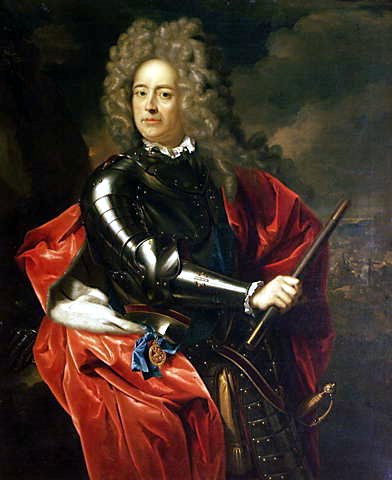




Early life and political rise
Born into a gentry family, Churchill began his career at the royal court and rose from a page in the Stuart court to senior military and political posts. He served under several sovereigns — often said to have served through five monarchs — and earned a reputation as a capable soldier and reliable administrator. Early patronage came through close service to the future king, the Duke of York, which gave Churchill access to command opportunities and court influence.
Switch of allegiance and the Glorious Revolution
Churchill’s political judgement became evident during the crisis of 1688 when he shifted support from James II to William of Orange. His role in the Glorious Revolution brought reward: at William’s coronation and thereafter he obtained peerage titles, including creation as Earl of Marlborough. His ability to navigate shifting loyalties was a key factor in his continuing prominence, though he later faced accusations of Jacobitism and was briefly imprisoned in the Tower of London during a period of political disfavour.
Military leadership and key campaigns
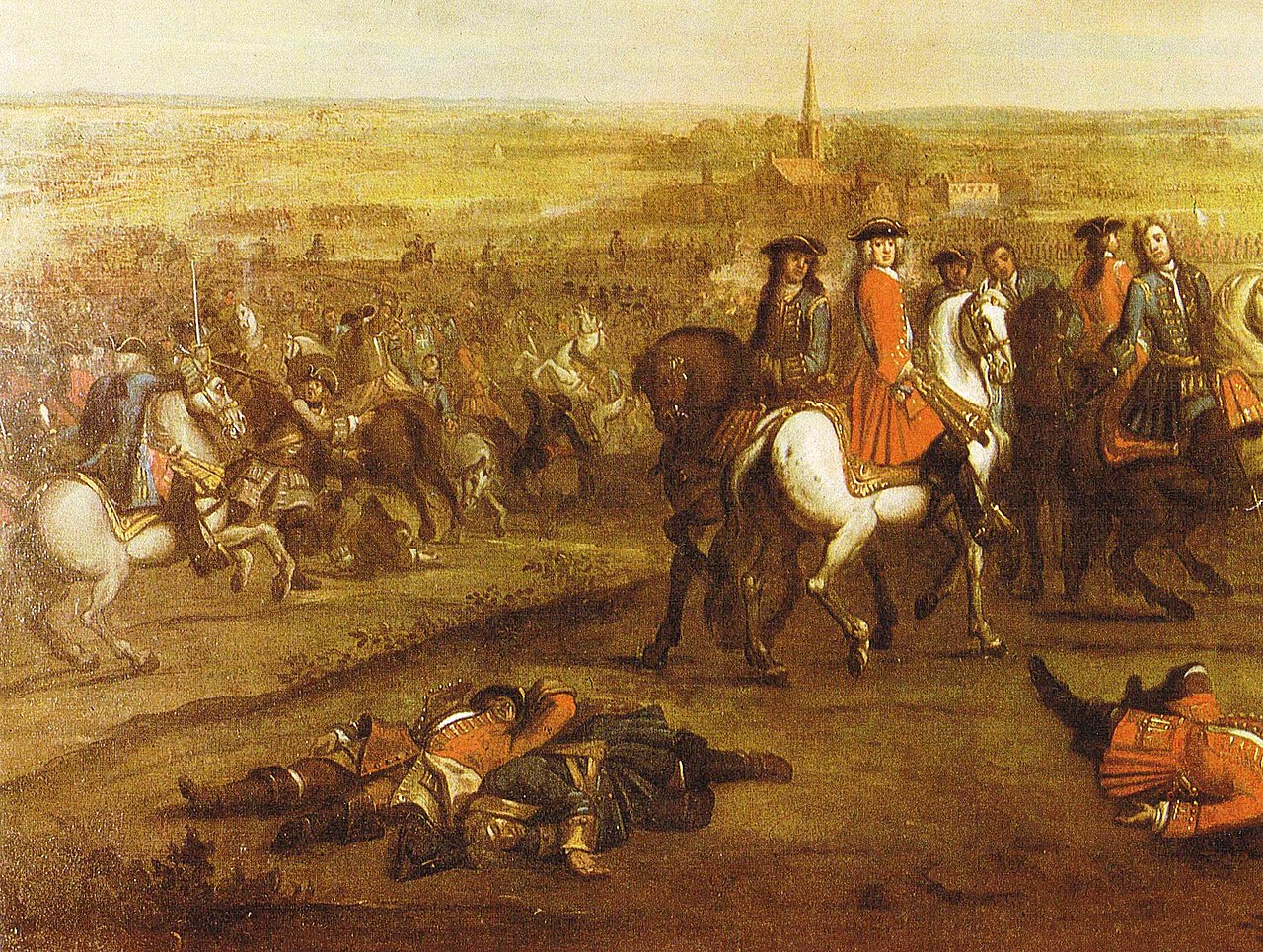
Churchill’s enduring fame rests on his command in continental wars against France. He served as commander of allied forces in the War of the Spanish Succession and won a series of important victories that checked French ambitions and strengthened Britain’s diplomatic position. His cooperation with continental allies, notably Prince Eugène of Savoy, proved decisive in several campaigns.
- Battle of Blenheim (1704) — a strategic victory that halted the French advance into central Europe.
- Battle of Ramillies (1706) — decisive success that opened the Low Countries to the allies.
- Battle of Oudenarde (1708) — a further step in recovering territory from the French.
- Battle of Malplaquet (1709) — a costly engagement that nonetheless forced French withdrawals.
Court influence, wealth and later life
Beyond the battlefield, Churchill’s marriage to Sarah Jennings, a close friend and early confidante of Queen Anne, amplified his access to royal favour and patronage. Under Queen Anne he held the supreme military appointment of Captain-General and was elevated to the dukedom. Large grants of money and land made him one of the wealthiest subjects of his time. The relationship with the queen later deteriorated, and political opposition eventually curtailed his influence and active command.
Legacy and historical significance
Churchill left a mixed but substantial legacy: as a commander he helped transform Britain from a regional naval power into a central participant in continental balance-of-power politics; as a courtier he exemplified how personal relationships shaped policy in an age before modern party government. His military methods, use of coalition warfare and estate-building at home had long-term effects. He also founded a dynastic line that later included notable descendants. For more detailed documentary and scholarly resources consult biographical surveys and specialized studies linked at honours and offices.
Readers seeking further primary materials and modern analysis may follow the related entries and references indicated by institutional and archival guides at military histories, chronologies, and collections concerning the Stuart era. For contexts on key figures mentioned here see resources on the Duke of York, William of Orange, the Glorious Revolution, coronation records at domestic ceremonial, and peerage entries such as Marlborough. Political controversies such as accusations of Jacobitism and episodes of detention at the Tower are treated in specialist studies and archival material.
Questions and answers
Q: Who was John Churchill?
A: John Churchill was an important English soldier and statesman who lived through the rules of five monarchs in the late 17th and early 18th centuries.
Q: How did he rise to power?
A: He rose from a lowly page at the court of the House of Stuart, and gained military and political advancement through his brave, clever skill. He helped secure James on the throne, and for his help in the Glorious Revolution, William at his coronation made him Earl of Marlborough.
Q: What war did he serve in?
A: He served in the early years of the Nine Years' War.
Q: Why did he fall from office?
A: He fell from office due to charges of Jacobitism.
Q: How did he regain fame when Queen Anne came to throne?
A: When Queen Anne came to throne in 1702, Marlborough secured his fame and lots of money by becoming Captain-Generalcy of British forces, then a duke, then eventually one of her richest subjects.
Q: What impact did Marlborough have on Britain's power?
A: Through him, Britain grew more and more rich through the 18th century as his victories allowed Britain to rise to very great power.
Q: Was he able to completely crush his enemies?
A No - although he had many successes throughout his career, he was not able to completely crush all of his enemies.
Related articles
Author
AlegsaOnline.com John Churchill, 1st Duke of Marlborough Leandro Alegsa
URL: https://en.alegsaonline.com/art/50593
Sources
- en.wikisource.org : Text on the Column of Victory in the grounds of Blenheim Palace