
Commander-in-Chief
A national office or title denoting ultimate authority over a state's armed forces; its powers range from ceremonial leadership to active operational control depending on constitutional and historical context.
Overview
The term commander-in-chief denotes the person who holds ultimate authority over a nation's armed forces. The office can be vested in a monarch, a president, a head of government, or in exceptional cases in another official body. The practical scope of the role varies widely: in some systems it is largely ceremonial, while in others it carries real wartime powers and day-to-day military authority.
One can think of the commander-in-chief as the highest-ranking commander over the nation's military forces. That relationship can be defined by written constitutions, statutes, or longstanding political conventions. The title and its powers are shaped by legal texts and by traditions of civilian control.
Image gallery
10 Images


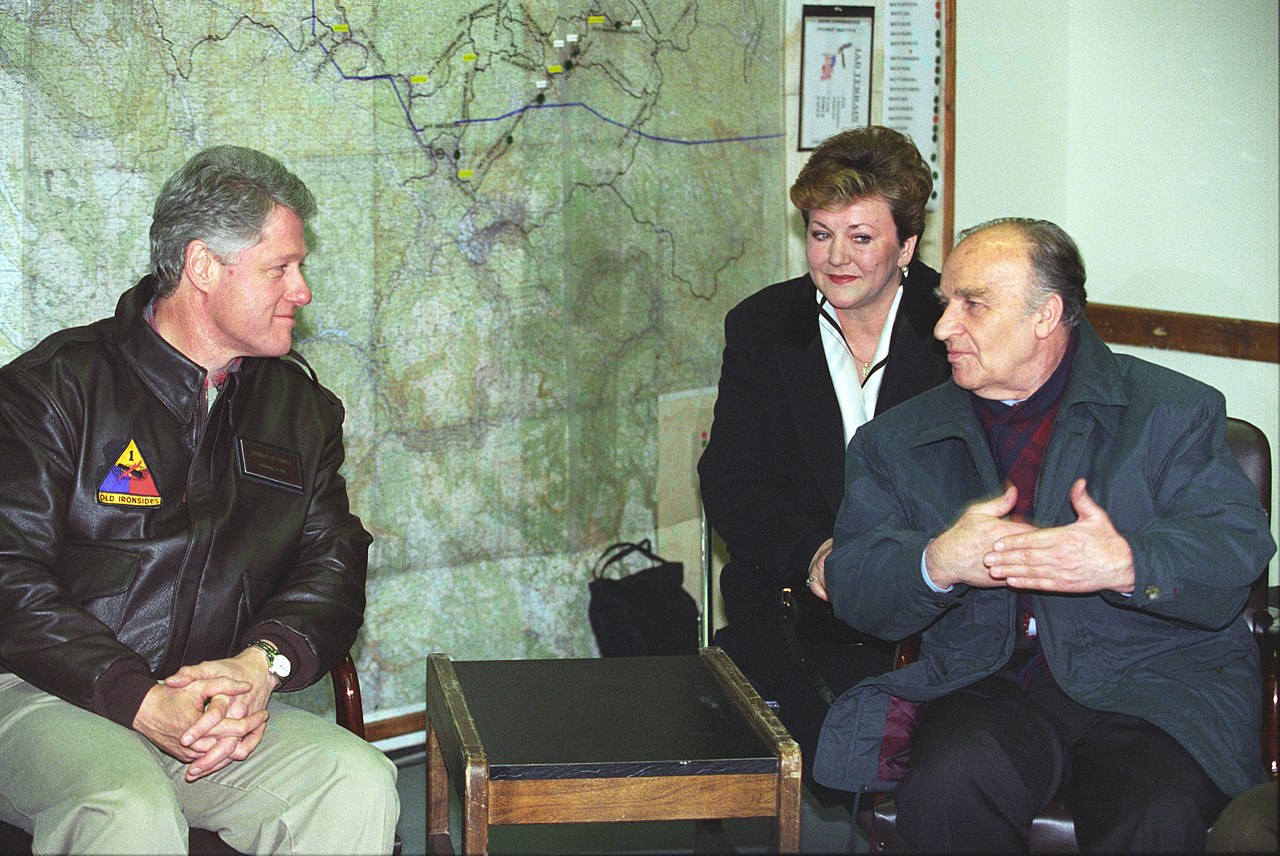


Typical responsibilities
- Setting broad strategic direction for national defense and security policy.
- Appointing and promoting senior officers, subject to legal or parliamentary approvals where required.
- Authorizing the deployment of forces, declaring states of emergency, or ordering mobilization in crisis situations.
- Acting as the symbolic head of the armed services and a focal point for national unity in wartime.
Not every commander-in-chief exercises all these powers alone. In many modern states, military action also requires parliamentary authorization, the approval of a cabinet, or adherence to international commitments. This distribution of authority seeks to balance effective command with democratic oversight and legal checks.
History and development
The concept has deep historical roots in societies where sovereigns personally led armies. The specific term "commander-in-chief" is recorded in early modern sources and is often traced to usages in seventeenth-century Britain; contemporary references note its appearance in documents associated with King Charles I in 1639. Over time the role evolved as states developed standing militaries and codified civil–military relations.
Forms, variations and notable facts
- Ceremonial commanders: In constitutional monarchies the monarch may be commander-in-chief in name while operational control rests with elected ministers.
- Executive commanders: In many republics the president serves as commander-in-chief and may exercise significant operational authority, especially during war.
- Alternative titles: "Supreme Commander" or other designations are sometimes used for unified or coalition commands or as an honorific for wartime leaders.
Because the office sits at the intersection of military necessity and political authority, debates about its scope recur in constitutional law and public policy. Questions often focus on who may authorize force, how to ensure accountability, and how to preserve civilian control while enabling timely defense decisions. For further historical and legal detail see contemporary reference materials and constitutional texts, including primary documents associated with early uses of the term such as those mentioning King Charles I.
For concise definitions and comparative summaries consult general military and constitutional reference works or online resources that survey national arrangements and historical developments in civil–military relations (terminology, institutional roles).
Questions and answers
Q: What is a commander-in-chief?
A: A commander-in-chief is the leader of a nation's military forces.
Q: Does a commander-in-chief need to have military experience?
A: No, not necessarily. Some country's commander-in-chief may not have been a soldier or involved in the military.
Q: Who first used the term commander-in-chief?
A: King Charles I of England first used the term in 1639.
Q: Is the term commander-in-chief interchangeable with the term Supreme Commander?
A: Yes, sometimes the term Supreme Commander is used as a specific term for commanders-in-chief.
Q: What is the role of a commander-in-chief?
A: The role of a commander-in-chief is to lead and command the nation's military forces.
Q: Can a commander-in-chief make decisions beyond military matters?
A: This may vary depending on the country's political system, but generally a commander-in-chief's authority is limited to military matters.
Q: Is the role of a commander-in-chief the same in all countries?
A: No, the role and authority of a commander-in-chief may vary depending on the country's political system and military structure.
Related articles
Author
AlegsaOnline.com Commander-in-Chief Leandro Alegsa
URL: https://en.alegsaonline.com/art/21939