
Napoleonic Wars (1792–1815)
A series of European wars dominated by Napoleon Bonaparte after the French Revolution; reshaped armies, diplomacy and political boundaries and concluded with Waterloo and the Congress of Vienna.
Overview
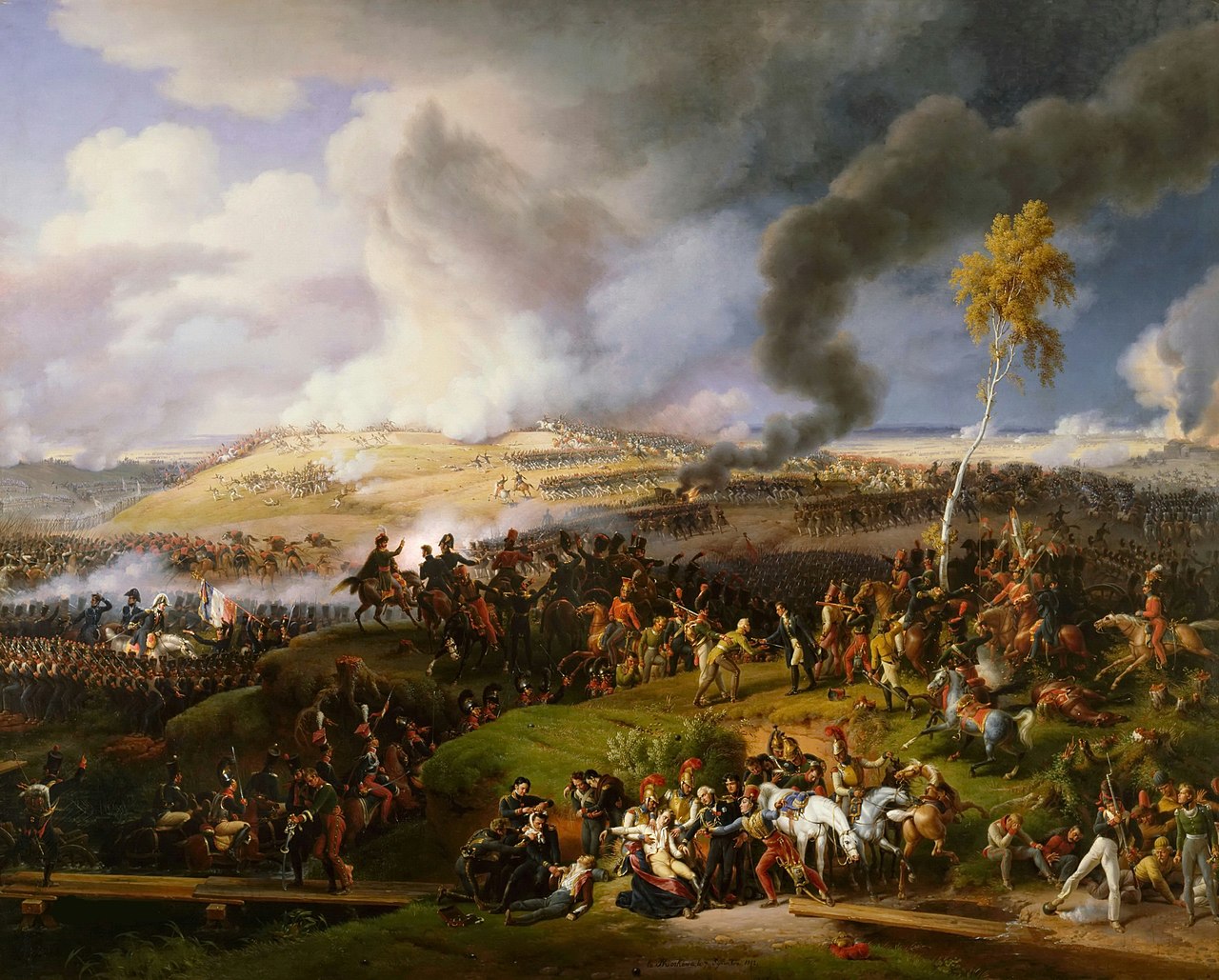
The Napoleonic Wars were a sequence of interconnected conflicts in Europe and beyond, closely associated with the rise and fall of Napoleon Bonaparte and the political upheaval that followed the French Revolution. Although historians sometimes limit the term to the period from 1803 to 1815, a broader view stretches back to the revolutionary wars of the 1790s and is occasionally called the "Great French War." Napoleon consolidated power in France (France) after 1799 and led a state that for a time dominated much of continental Europe.
Image gallery
10 Images





Chronology and principal opponents
Large-scale fighting resumed after the breakdown of the short-lived Peace of Amiens: the Treaty of Amiens collapsed and war between the French state and the United Kingdom recommenced in 1803. Over the next decade coalitions of Britain, Austria, Russia, Prussia, Spain, Portugal, Sweden and other states opposed Napoleon’s empire. Conflicts ranged from set-piece battles on the continent to campaigns in Spain and Portugal and operations that extended into the Mediterranean and overseas colonies.
Military characteristics and innovations
These wars accelerated practical change in warfare. Several features stood out:
- Organizational reform: the French development of flexible corps and combined-arms formations allowed independent movement and faster concentration of forces.
- Artillery and logistics: field guns became lighter and more mobile, improving the speed of maneuver; supply and quartermaster systems were increasingly professionalized.
- Mass mobilisation: wide use of compulsory levies and national recruitment—often summarized as conscription—provided unprecedented manpower pools and altered military and social relations.
- Tactical tempo: faster marches, tighter staff work and emphasis on decisive battle shaped how campaigns were planned and fought.
Major campaigns and turning points
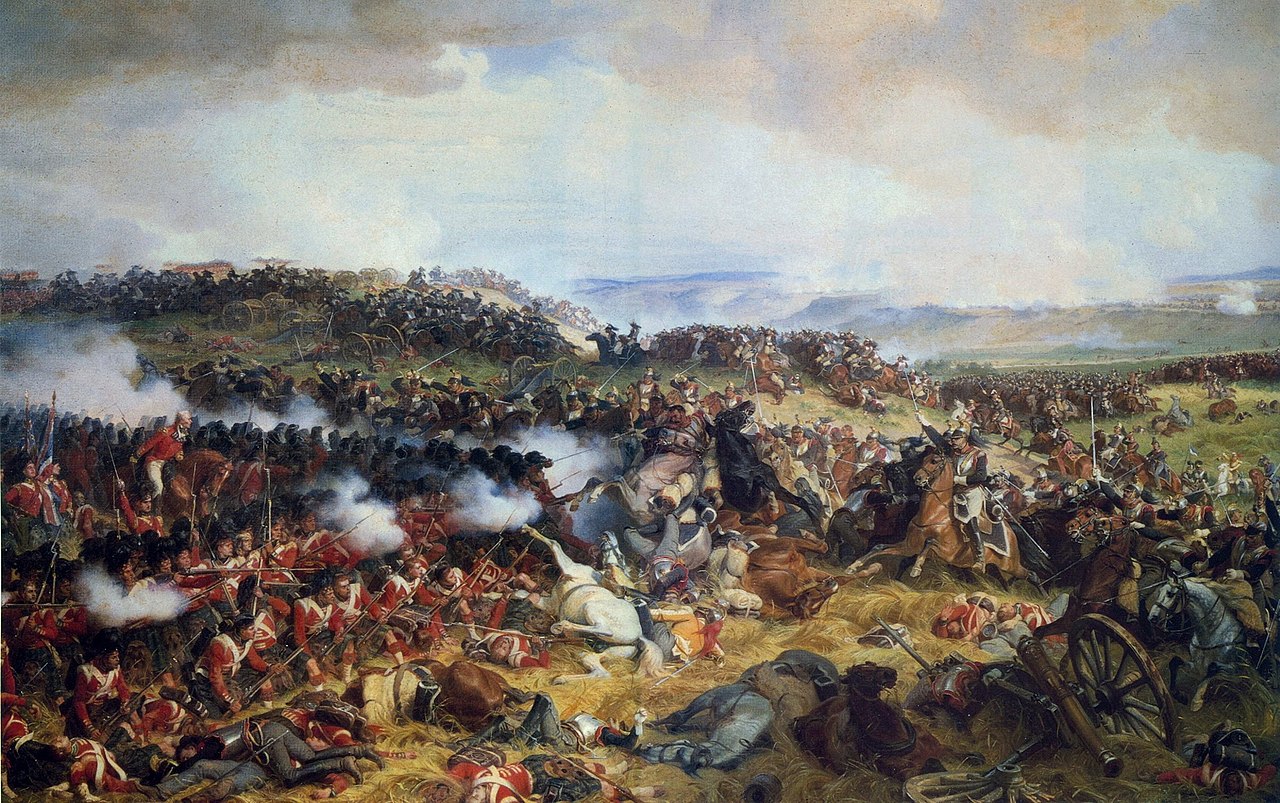
Key episodes illustrate the arc of Napoleon’s fortunes. Early victories established dominant positions in central Europe, but protracted guerrilla warfare in the Iberian Peninsula and sustained coalition building eroded French power. The large-scale invasion of Russia in 1812—a campaign often described simply as the Russian campaign—proved catastrophic for Napoleon’s forces due to logistics, harsh climate and extended lines of communication. The final defeat at the Battle of Waterloo in 1815 ended Napoleon’s rule and precipitated renewed diplomatic settlement.
Consequences and legacy
The wars left durable legacies across politics, society and law. The map of Europe was redrawn at the Congress of Vienna; traditional monarchies, including the Bourbon line in France, were restored but the reforms and nationalistic impulses birthed during the revolutionary and Napoleonic period persisted. Military practices—organization, conscription, logistics and artillery techniques—were adopted widely, influencing nineteenth‑century armies. In civil affairs, the spread of administrative reforms and legal codifications associated with the Napoleonic era had long‑term impact beyond France.
Scope and historiography
Scholars treat the Napoleonic Wars as both a continuation of the revolutionary conflicts of the 1790s and as a distinct era of imperial expansion and coalition warfare. Interpretations vary: some emphasize Napoleon’s role as a military innovator and modernizer, others focus on the social disruption and human cost of near‑continental warfare. For concise overviews and primary documents readers can consult dedicated collections and summaries that cover the diplomatic treaties, battlefield accounts and the political settlements that followed.
Further reading and resources: general surveys, biographies of Napoleon and coalition leaders, campaign studies and compilations of treaties such as those that ended hostilities and reorganized Europe.
Related entries and materials: France, French Revolution, United Kingdom, Treaty of Amiens, 1803, Europe, conscription, Russian campaign, Waterloo.
Questions and answers
Q: What were the Napoleonic Wars?
A: The Napoleonic Wars were a series of wars fought during the rule of Napoleon Bonaparte over France, beginning after the French Revolution ended and Napoleon became powerful in 1799.
Q: When did they start?
A: War began between the United Kingdom and France in 1803 when the Treaty of Amiens ended.
Q: How did these wars change European military systems?
A: These wars changed European military systems by making cannons lighter and faster, as well as making armies larger with better food and supplies due to compulsory conscription.
Q: How long did they last?
A: The Napoleonic Wars lasted from 20 April 1792 until 20 November 1815.
Q: Who was on each side of this conflict?
A: On one side was the First Empire of France, Kingdom of Italy, and others; while on the other side was Great Britain, Prussia, Austria, Russia, Sweden, Portugal, Spain, Sicily, and others.
Q: What caused them to end?
A: The Napoleonic Wars ended with the Second Treaty of Paris on 20 November 1815 following Napoleon's defeat at the Battle of Waterloo.
Q: Who came back into power after their conclusion?
A: After their conclusion, the Bourbon Dynasty regained power in France again.
Related articles
Author
AlegsaOnline.com Napoleonic Wars (1792–1815) Leandro Alegsa
URL: https://en.alegsaonline.com/art/68343
Sources
- books.google.com : books.google.com/books?id=63xTTaYTbrwC&pg=PA36
- napoleon-series.org : napoleon-series.org/military-info/organization/Austria/ArmyStudy/c_AustrianArmyHungary.ht…
- books.google.com : books.google.com
- books.google.com : Sketch of the Napoleon Museum
- worldstatesmen.org : "Denmark"
- worldstatesmen.org : "Norway"
- parlement.com : "De Grondwet van 1815"
- britannica.com : "The Royal Navy"
- books.google.com : "The Rise of Prussia 1700–1830"
- books.google.com : Perilous Glory: The Rise of Western Military Power