
2004 United States presidential election
Presidential election held November 2, 2004. Incumbent George W. Bush defeated John Kerry in a campaign dominated by foreign policy, Iraq, and disputes over voting in key swing states.
The 2004 United States presidential election took place on November 2, 2004. Incumbent President George W. Bush, the nominee of the Republican Party, won a second term by defeating Senator John Kerry, the Democratic nominee. The race reunited many themes from the prior contest and was fought intensely in a relatively small number of battleground states.
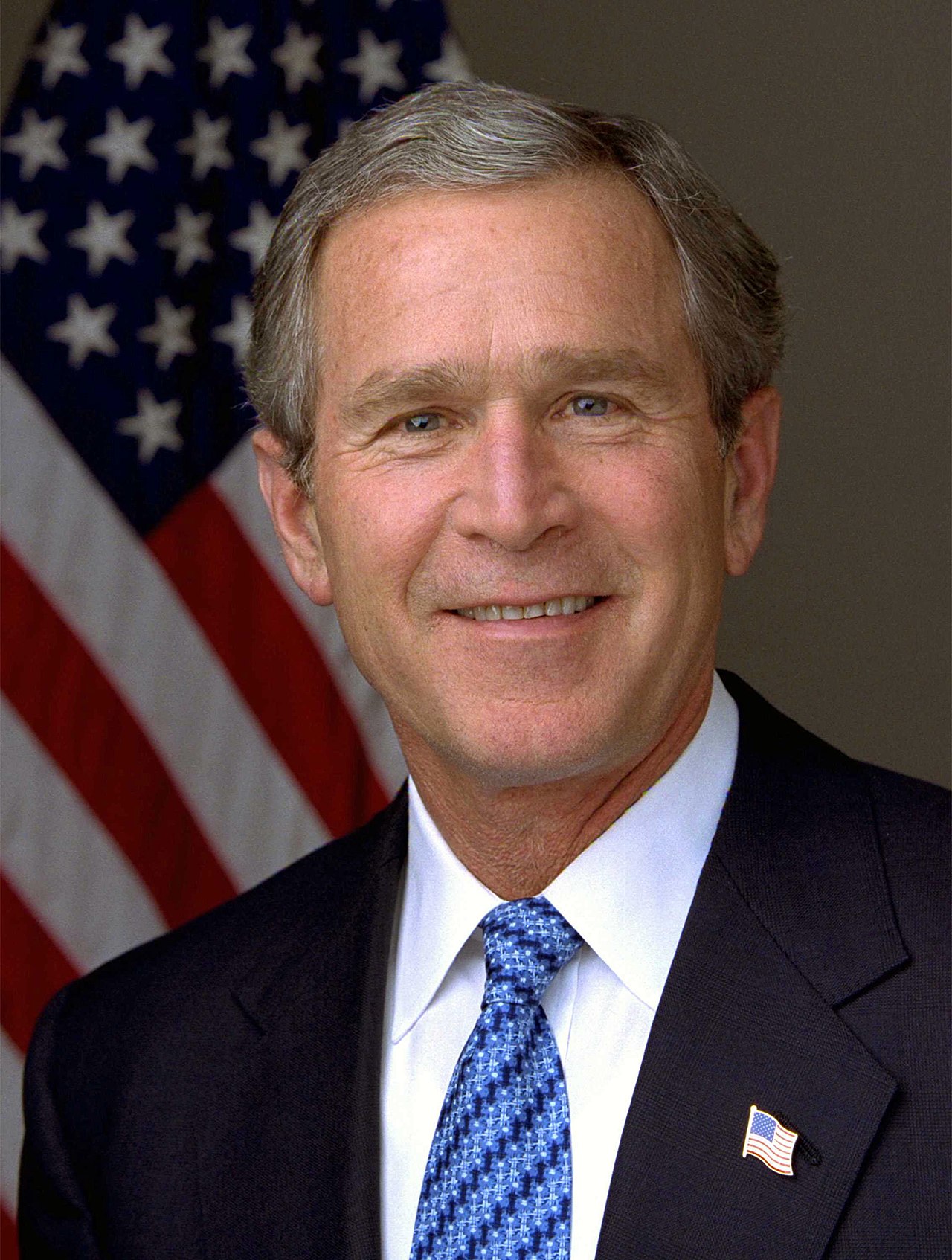
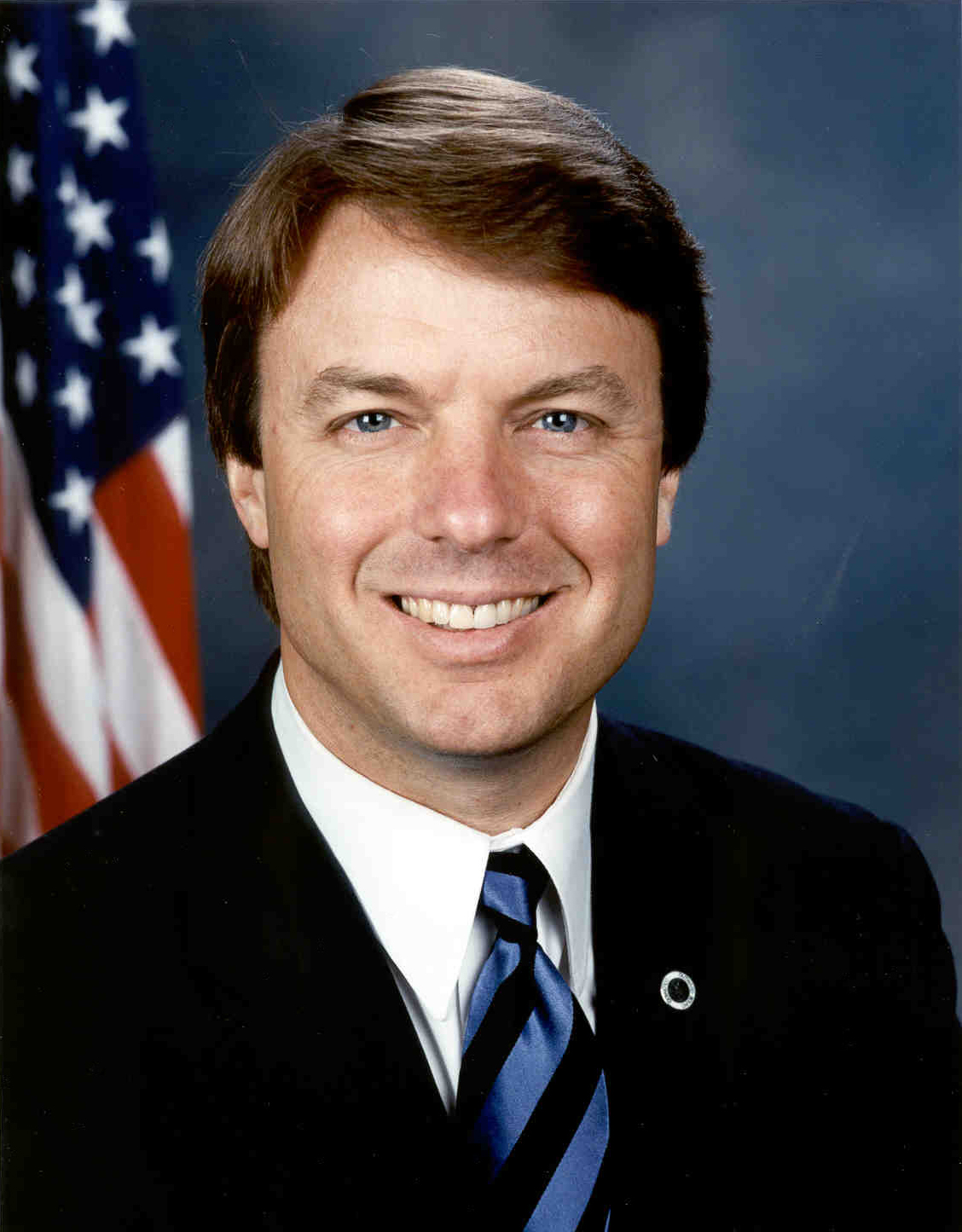
The two tickets combined experience and contrasting images. Bush ran as the sitting president who had led the country through the aftermath of 9/11 and the early years of the War on Terror, while Kerry, a long-serving U.S. Senator from Massachusetts, positioned himself as an alternative on national security and domestic issues. Kerry's running mate was Senator John Edwards; Bush campaigned with his sitting vice president. Both parties emphasized turnout and targeted swing-state voters with extensive advertising and field operations.
Image gallery
10 Images




Campaign issues and context
Foreign policy was the dominant public issue. The foreign policy debate centered on responses to international terrorism and the justification for the 2003 invasion of Iraq. The broader War on Terrorism framed questions of leadership, intelligence, and military strategy. Domestic concerns — including the economy, health care, and social issues — also appeared in debates and advertisements, but national security repeatedly ranked highest in public attention and campaign messaging.
Results, disputes, and key states
In the Electoral College, Bush won a majority of votes and secured reelection; the contest was decided by a margin of electoral votes that left the outcome clear the day after the contest. The vote-counting process, however, prompted controversy in several places. The state of Ohio generated particular attention because its electoral votes were decisive; concerns about ballot access, machine malfunctions, and precinct-level irregularities were raised by opponents. The Democratic Party organization, including the Democratic National Committee and figures such as Howard Dean, argued that problems in Ohio affected the fairness of the result, while the Republican side defended the conduct of the election. Ultimately Kerry chose not to pursue a prolonged legal challenge in Ohio, and the electoral outcome stood.
- Date: November 2, 2004
- Electoral outcome: Bush won a majority in the Electoral College while Kerry won a substantial share of the popular vote
- Swing-state shifts: Only a few states changed party choices from the previous cycle — for example, New Mexico and Iowa moved toward the Republican ticket while New Hampshire moved toward the Democrats
- Electoral anomaly: One elector cast a ballot for John Edwards rather than the Democratic ticket's presidential nominee, producing a faithless-elector vote
- Previous contest: The campaign followed the fractious 2000 election and was often discussed in that context (the prior presidential election)
Analysts noted that the margin in the national popular vote was modest, and that the result underscored the continuing importance of turnout, regional coalitions, and the Electoral College in deciding American presidential contests. The 2004 election confirmed the sitting administration's mandate to continue its policies for a second term, shaping American foreign policy and domestic politics for the next two years and influencing party strategy going into subsequent midterm elections.
Legacy assessments often highlight how the campaign reflected post‑9/11 priorities, intensified partisan polarization, and reinforced the centrality of a handful of competitive states. For further reading on candidates, state-level results, and legal disputes from the 2004 contest, consult detailed election studies and official returns from the states and the federal archives.
Related articles
Author
AlegsaOnline.com 2004 United States presidential election Leandro Alegsa
URL: https://en.alegsaonline.com/art/112360
Sources
- presidency.ucsb.edu : "Voter Turnout in Presidential Elections"
- rollingstone.com : "Was the 2004 Election Stolen? : Rolling Stone"