
2005 French riots — civil unrest in suburbs of France
A wave of urban unrest in late 2005 that began in a Paris suburb after two teenagers died in a power substation; it spread nationwide, provoked a state response and sparked debate about integration and policing.
Overview
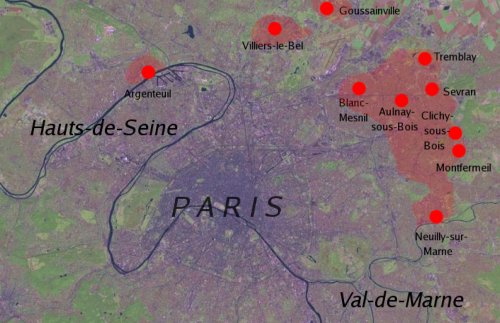
The 2005 French riots were a period of widespread civil unrest that erupted in the suburbs of Paris and then spread to many cities across France in late October and November 2005. The disturbances involved nightly confrontations, arson of vehicles and public buildings, and repeated clashes between youths and the police. The unrest lasted for roughly three weeks and became one of the most visible expressions of social tension in contemporary French society.
Image gallery
6 Images



Immediate trigger
The events followed the deaths of two teenagers and the serious injury of a third after they were chased by police and sought refuge in an electrical substation. Widely reported names associated with this incident are Zyed Benna and Bouna Traoré; the third young man, Moussa, survived with injuries. News of the fatalities spread rapidly in the affected communities and ignited protests that quickly escalated into broader disorder.
Underlying causes and context
Observers and commentators pointed to long‑standing problems that helped fuel the unrest: high youth unemployment, concentrated poverty in certain suburbs, perceived discrimination, strained relations with law enforcement, and a sense of political marginalization among many residents. The riots were not simply a spontaneous outburst but reflected deeper social and economic grievances that had accumulated over years.
Course and characteristics
The disturbances typically occurred at night and included the burning of cars, attacks on public buildings such as schools and municipal properties, and sporadic violence directed at police and firefighters. Local and national authorities deployed large numbers of officers, and measures such as curfews and an emergency decree were used to try to restore order. Arrests were made in many affected towns and cities.
Impact, debate and aftermath
Beyond immediate damage and injuries, the 2005 unrest provoked a national debate about urban policy, policing methods, social exclusion and the integration of immigrant-origin populations. Political leaders, civil society groups and researchers discussed reforms in housing, employment and policing. The riots also prompted studies and policy initiatives aimed at preventing a recurrence, although opinions differ on the effectiveness of subsequent measures.
Further information and resources
- Contemporary news coverage and timelines
- Background on the affected suburbs
- Reports on policing and public order
- Accounts of damaged schools and public buildings
- Local information about Clichy-sous-Bois
- Studies of suburban social conditions
- Context on the Paris metropolitan area
- Investigations into the triggering incident
- Analysis of government responses
- Summaries of legal outcomes and policy changes
Questions and answers
Q: What was the 2005 civil unrest in France?
A: The 2005 civil unrest in France was a series of riots that happened in October and November.
Q: What were some of the damages caused by the riots?
A: Many cars and public buildings, such as schools, were burnt during the riots.
Q: When and where did the riots begin?
A: The riots began on October 25, 2005 in Clichy-sous-Bois, which is a suburb of Paris.
Q: How long did the riots last?
A: The riots together lasted for about 3 weeks.
Q: Why did the riots happen?
A: The riots happened as a reaction to the accidental deaths of two teenage boys and the serious injuries of another, after they hid in a power substation and got an electric shock while being chased by police. However, the boys did not commit a crime.
Q: Did the riots start in other parts of France?
A: Yes, the riots started in Clichy-sous-Bois and then spread to other parts of France.
Q: What triggered the riots?
A: The accidental deaths of two teenage boys and the serious injuries of another triggered the riots.
Related articles
Author
AlegsaOnline.com 2005 French riots — civil unrest in suburbs of France Leandro Alegsa
URL: https://en.alegsaonline.com/art/112366
Sources
- cnn.com : "France PM: Curfews to stem riots"
- nytimes.com : "Breaking News, World News & Multimedia"
- news.yahoo.com : news.yahoo.com
- theguardian.com : "Fires of 'civil war' erupt in Paris"
- foxnews.com : "Riots Plague Paris Suburbs for Sixth Night | Fox News"
- permanent.nouvelobs.com : Actualités en temps réel
- news.bbc.co.uk : "French riots spread beyond Paris"
- lemonde.fr : "1 295 véhicules ont brûlé cette nuit"
- france-echos.com : "Archived copy" · web.archive.org
- english.aljazeera.net : "AJE - Al Jazeera English"
- edition.cnn.com : "Archived copy" · web.archive.org