
Howard Dean
American physician and politician; Governor of Vermont (1991–2003), 2004 presidential candidate, and DNC chair (2005–2009), known for grassroots organizing and the “50‑state strategy.”
Overview
Howard Dean is an American physician-turned-politician best known for serving as Governor of Vermont and later as chair of the Democratic National Committee. He attracted national attention during his 2004 bid for the Democratic presidential nomination and is widely associated with innovations in online grassroots organizing and a party-building approach often called the "50-state strategy."
Image gallery
8 Images




Background and political rise
Trained as a medical doctor and initially practicing medicine, Dean entered public life at the state level. He served multiple terms as governor beginning in the early 1990s, where his administration focused on issues typical of state executives such as fiscal management, education, and health care policy. His record in state government established him as a moderate-progressive figure with pragmatic appeal among voters in a small, largely rural state.
2004 presidential campaign
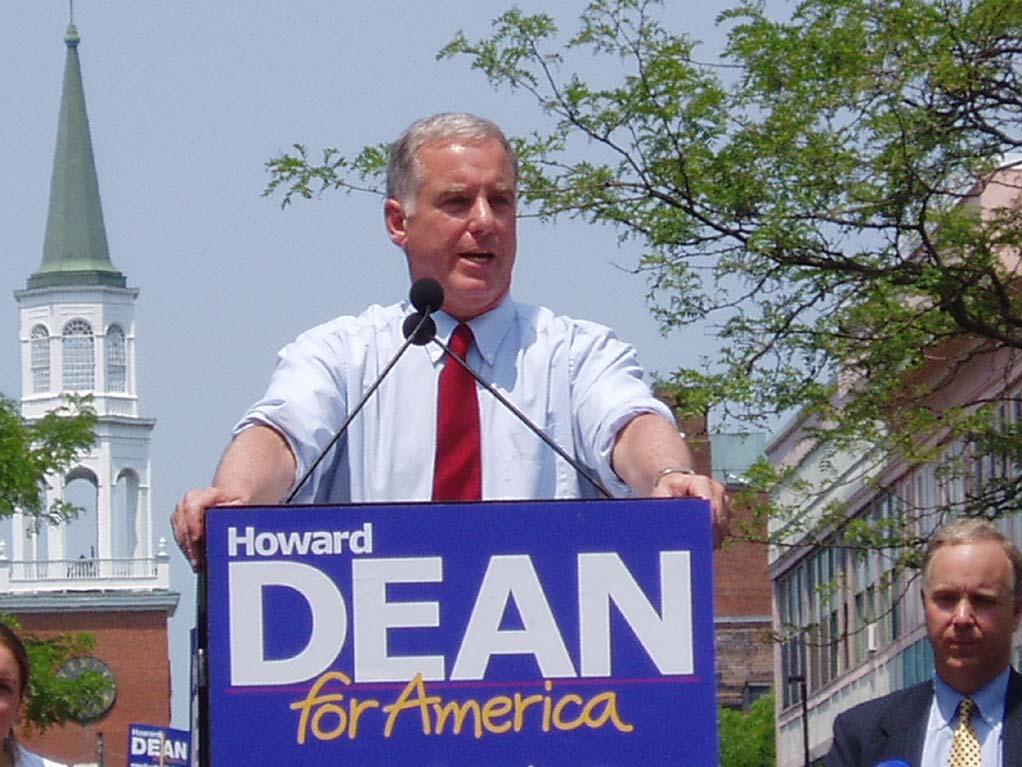
Dean sought the Democratic nomination for president in 2004 and experienced an early surge in grassroots support. His campaign is remembered for pioneering the use of the internet and small-donor fundraising to mobilize volunteers and build local networks. A widely replayed outburst at a campaign event—commonly called the "Dean Scream"—was extensively covered by national media and is credited with damaging his momentum, although other organizational and strategic factors also played roles in the campaign's outcome. For an overview of that electoral effort see his 2004 presidential campaign references.
DNC leadership and party strategy
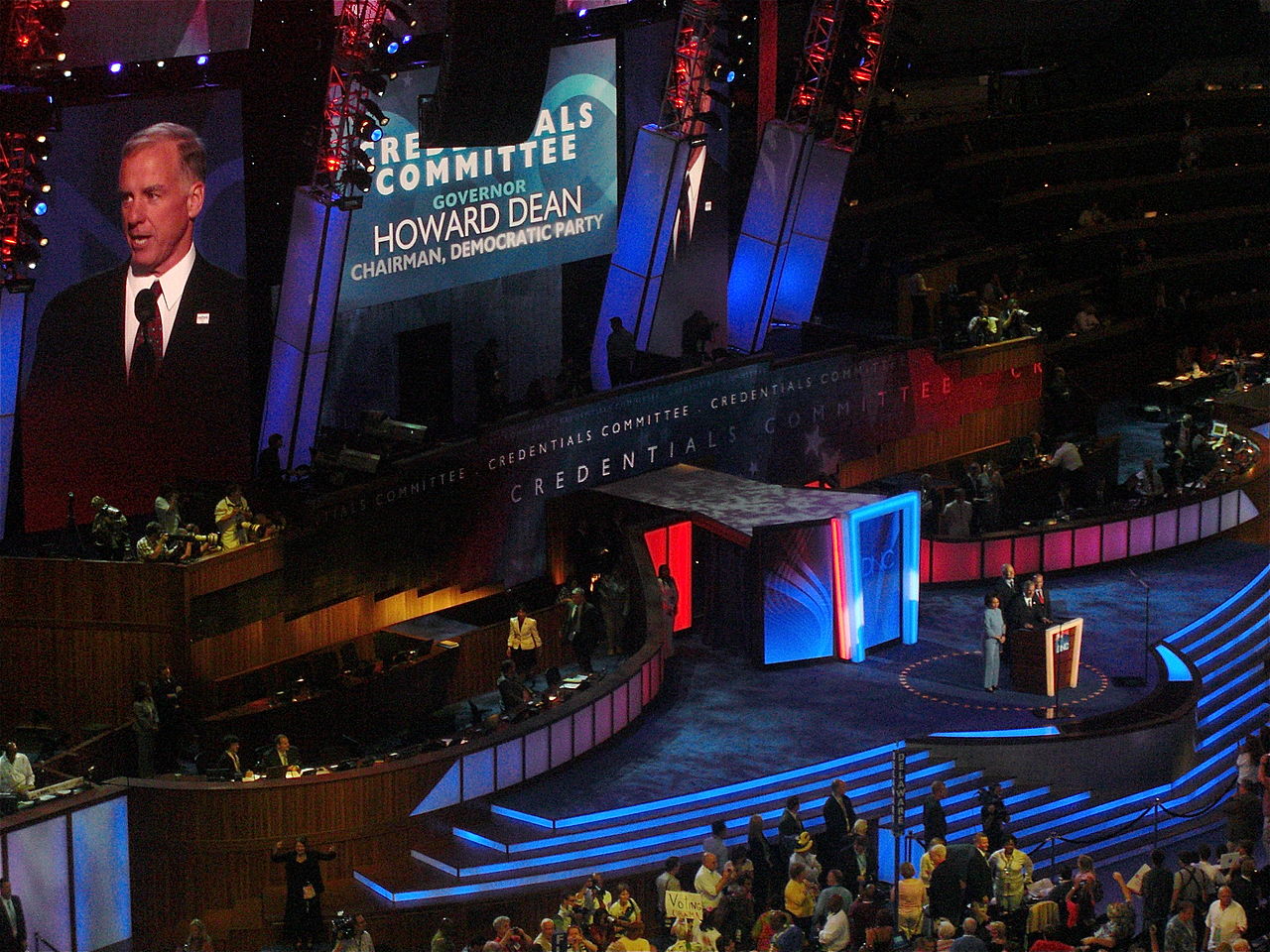
After the 2004 campaign, Dean became chair of the Democratic National Committee. In that role he promoted investments in state and local party infrastructure across many states, an approach described as the "50-state strategy." Supporters argue this broadened the party's capacity to compete more widely; critics contend resources were sometimes spread thin. Under his chairmanship the DNC expanded its organizing tools and digital outreach techniques, continuing the emphasis on grassroots mobilization that marked his presidential run.
Later activities and legacy
Outside elected office, Dean helped launch and work with organizations focused on progressive activism and candidate training. He remains a recognizable figure in discussions about modern political campaigning because of his early adoption of online fundraising, volunteer organizing methods, and the idea of building durable party infrastructure in many states. His career illustrates the interplay between media, technology, and electoral politics in the early 21st century.
Notable facts
- Roles: state governor, presidential candidate, national party chair.
- Political innovations: internet fundraising, networked volunteer organizing.
- Controversies and turning points: the 2004 campaign media moment often called the "Dean Scream," and debates over the breadth versus depth of party-building strategies.
Related articles
Author
AlegsaOnline.com Howard Dean Leandro Alegsa
URL: https://en.alegsaonline.com/art/120718
Sources
- npr.org : "Howard Dean Wants To Lead The DNC Again; Has A 50-State Strategy"
- cbsnews.com : "The Rise And Fall Of Howard Dean"