
2006 al-Askari mosque bombing
A February 22, 2006 attack that severely damaged the golden dome of the al-Askari mosque in Samarra, Iraq, sparking widespread sectarian violence and long-term political consequences.
Overview
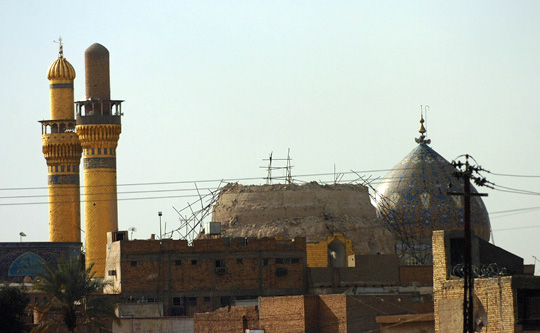
On the morning of February 22, 2006, a bombing severely damaged the historic shrine known as the al-Askari mosque in the city of Samarra, in central Iraq. The explosion destroyed the mosque's golden dome and caused extensive structural harm to adjacent minarets. The site is one of the most important shrines for many Shia Muslims and its attack had immediate and wide-ranging effects across the country.
Image gallery
3 Images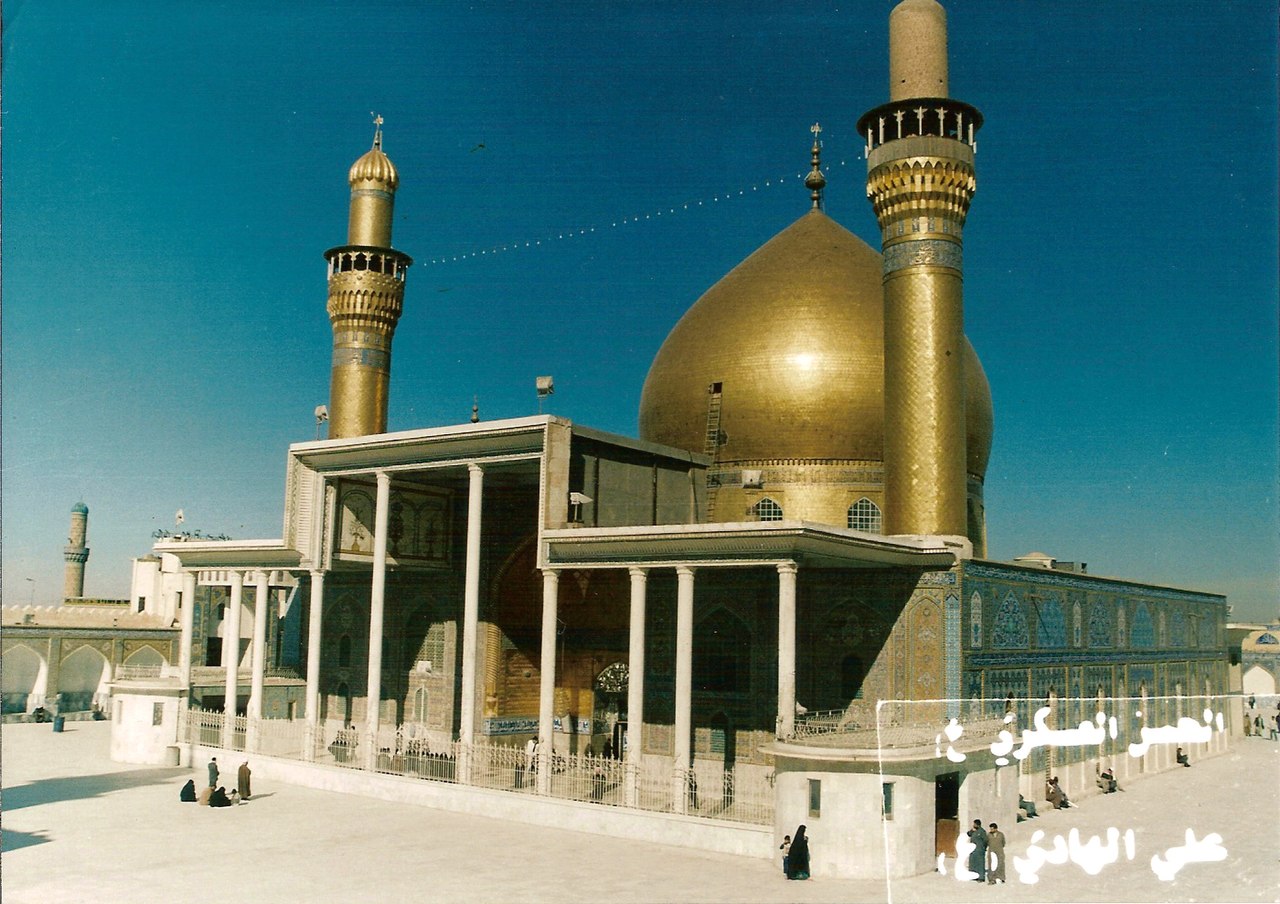

Historical and religious significance
The al-Askari complex houses the tombs associated with two revered figures in Shia Islam; as a consequence, the mosque is not only an architectural landmark but also a major place of pilgrimage. Damage to such a symbolic religious site heightened the emotional and political stakes of the incident and made it a flashpoint for existing sectarian tensions.
The attack and immediate aftermath
Reports indicate explosives were used inside the shrine early in the morning, collapsing the dome and damaging the building's façade and minarets. While the bombing itself occurred at dawn and details about on-site casualties vary in reports, the most consequential outcome was the wave of retaliatory and sectarian violence that followed across many parts of the country. Neighborhoods, mosques, and communal infrastructure suffered in the ensuing unrest.
Consequences and responses
The bombing sharply escalated Sunni–Shia tensions in Iraq and contributed to a period of increased communal violence, political polarization, and instability. Governments, religious leaders, and international organizations condemned the attack and called for restraint and investigation. The event also affected Iraqi politics and security strategies during an already volatile period.
Investigation, reconstruction and legacy
Responsibility for the attack was never conclusively determined in a public, universally accepted account; various extremist groups and actors were suspected. Restoration work on the damaged shrine began in subsequent years and the mosque was repaired and reopened after reconstruction efforts, symbolizing both the cultural importance of the site and the desire for communal recovery. The 2006 bombing remains widely cited as a pivotal moment that intensified sectarian conflict during the post-2003 period in Iraq.
- Date: February 22, 2006
- Location: Samarra, Iraq
- Target: al-Askari mosque
- Significance: Sparked widespread sectarian violence and long-term consequences for Iraqi society
Related articles
Author
AlegsaOnline.com 2006 al-Askari mosque bombing Leandro Alegsa
URL: https://en.alegsaonline.com/art/112374