
War on Terrorism: origins, methods, controversies, and legacy
Overview of the global campaign commonly called the War on Terrorism: its origins, main features, major campaigns, legal and political issues, and continuing debates about effectiveness and consequences.
The term "War on Terrorism" (often shortened to "War on Terror") is used to describe a range of policies, operations and legal measures adopted primarily by the United States and a number of allied governments after the terrorist attacks of September 11, 2001. It designates a sustained effort to prevent, disrupt and punish violent extremist groups, deny them safe havens and curtail the support some governments or networks provide to terrorism. The phrase has been applied to military campaigns, intelligence and law-enforcement activity, immigration and border controls, and new domestic security institutions.
Image gallery
10 Images




Origins and early phase
The concept solidified in the weeks after 9/11 and was framed publicly by the administration of President George W. Bush. Early justification for wide-ranging action cited threats from transnational groups such as al‑Qaeda and aligned militant movements described as militant Islamists. The initial military response included an international coalition that removed the Taliban government in Afghanistan and pursued al‑Qaeda operatives. Subsequent policy choices and public speeches broadened the target list to include states accused of sponsoring or supporting terrorist activity, a grouping that in some early statements was linked to nations such as Iraq, Iran, Syria, Libya and others sometimes identified by political labels such as the "Axis of Evil".
Main components and methods
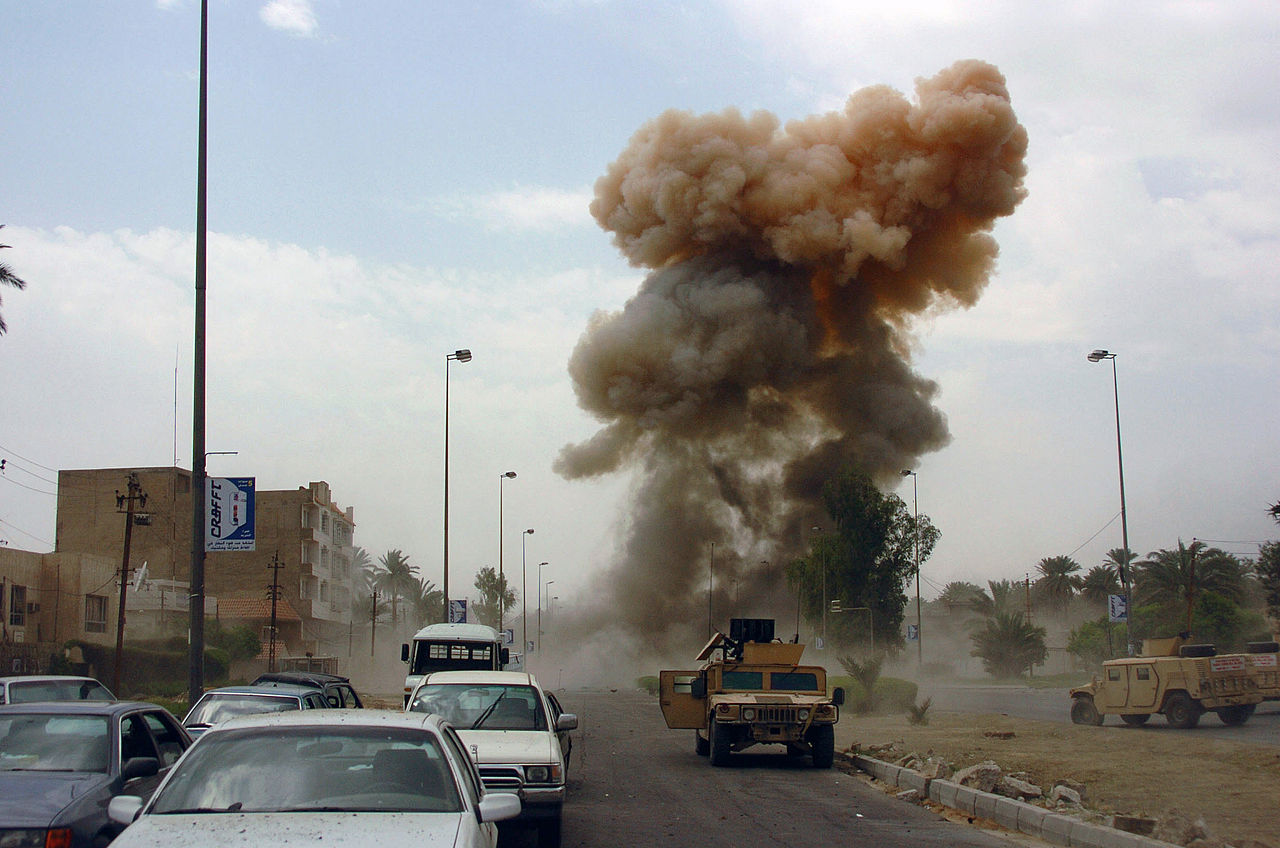
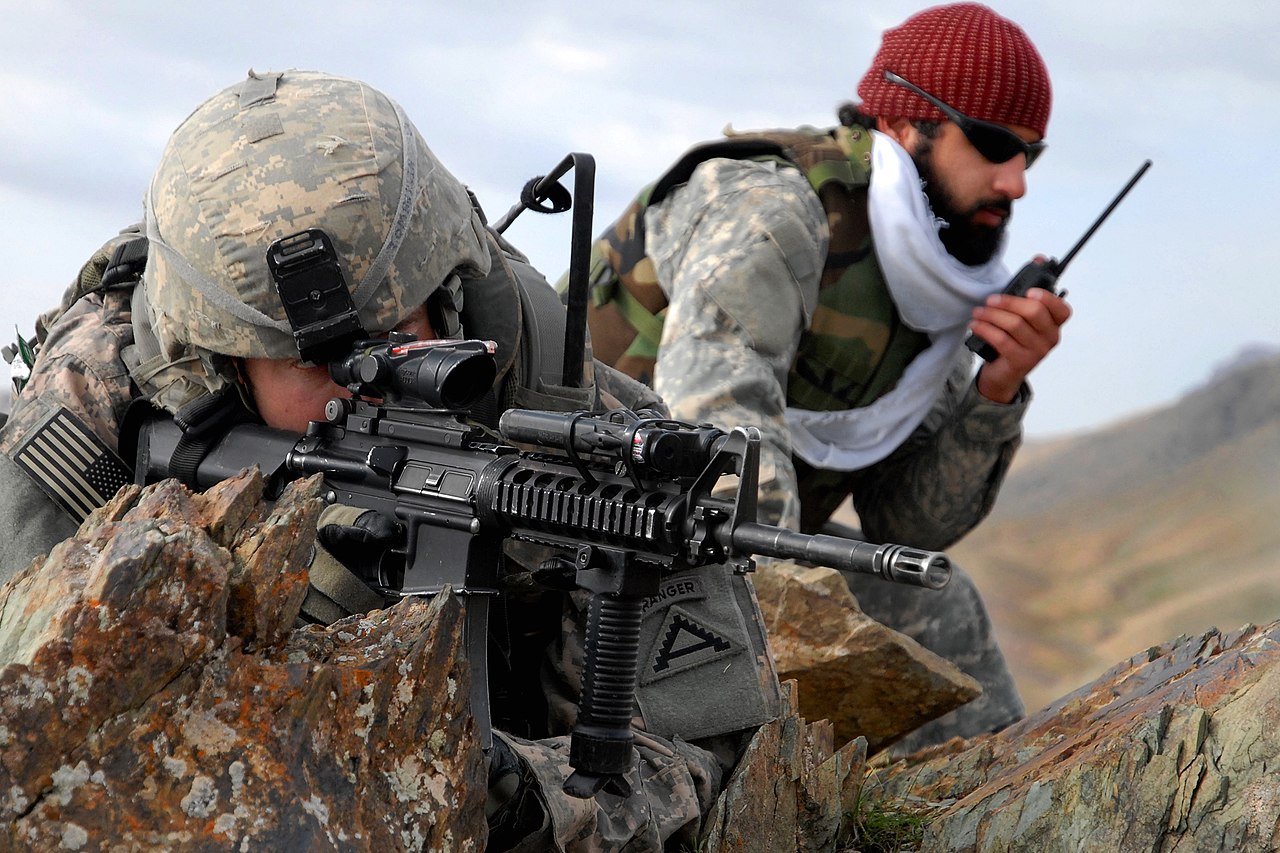
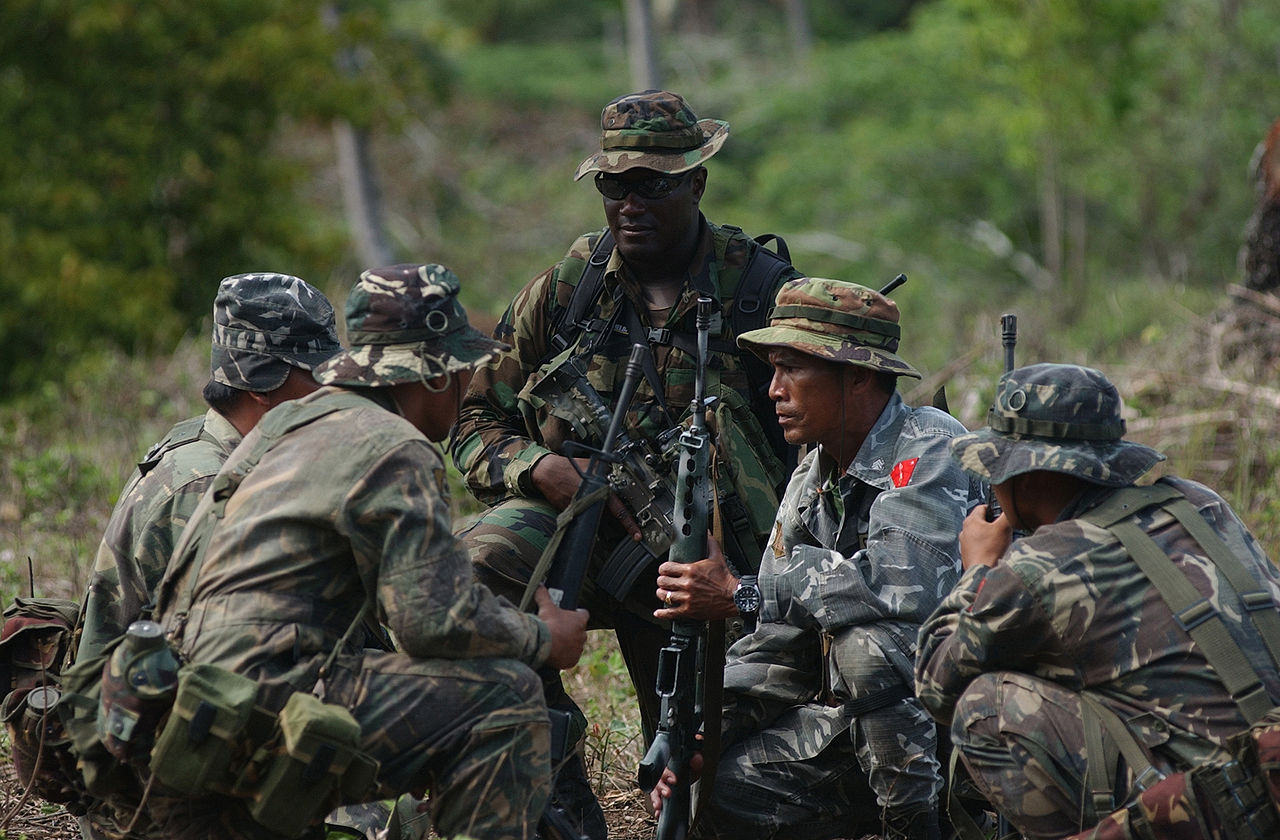
The broader campaign combined conventional warfare with intelligence operations, targeted strikes, special operations, surveillance, financial sanctions and legal measures. Major elements included extended ground campaigns, the use of air power and drone strikes, expanded counterterrorism cooperation with partner states, and domestic measures such as enhanced airport security and changes to immigration screening. Some approaches emphasized prosecution in criminal courts or restraint and multilateral cooperation, while others relied on military detention and military commissions.
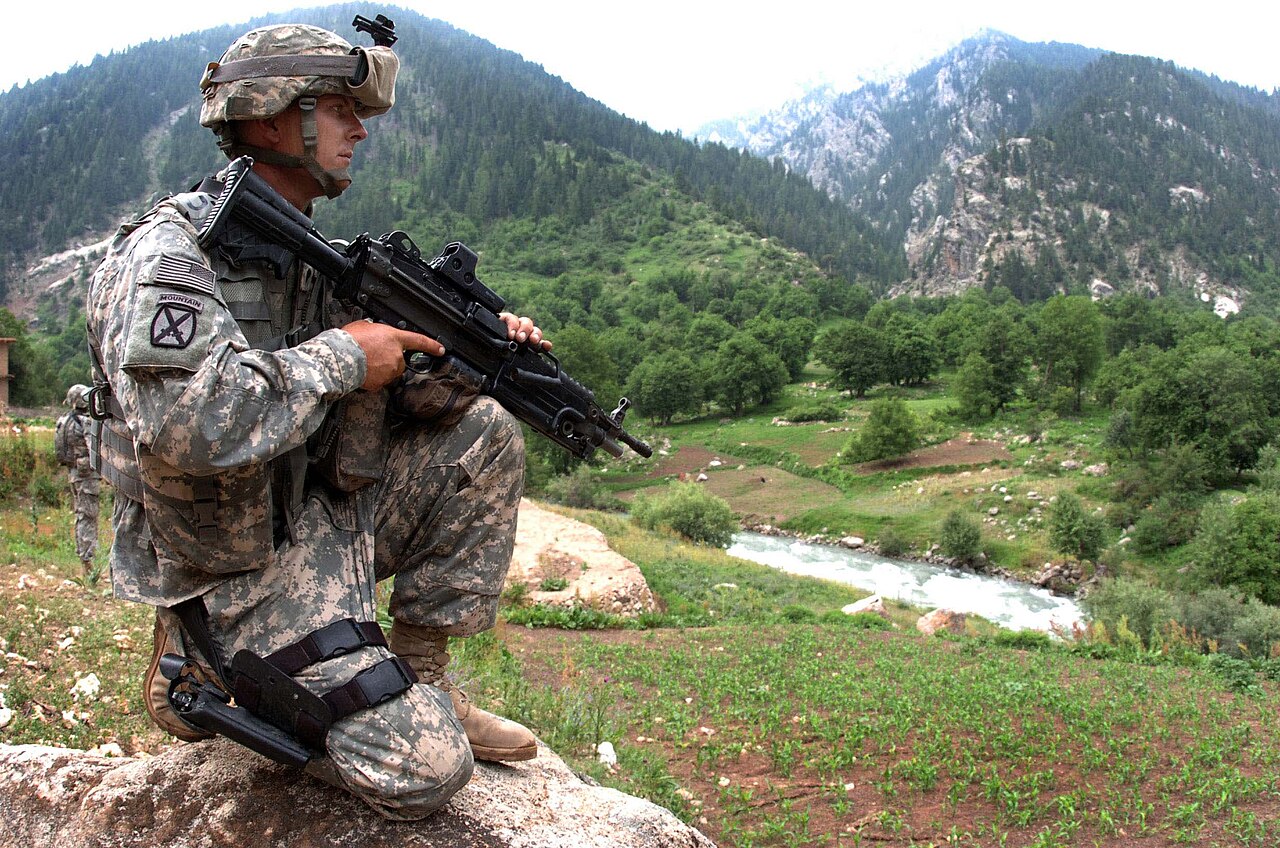
- Major theaters and campaigns: Afghanistan (2001 onward) and the 2003 invasion of Iraq.
- Intelligence and law enforcement: cross-border investigations, financial disruption, and sanctions against suspected sponsors of terrorism such as states or networks identified by governments as state sponsors (state sponsors).
- Policy and terminology shifts: alternative labels and bureaucratic changes, for example the term Overseas Contingency Operation used in later U.S. administrations.
Legal, political and humanitarian issues
Policies associated with the campaign generated debate over legality, human rights and long-term effectiveness. Points of contention included the detention of suspects outside standard criminal courts, extraordinary rendition, the use of targeted killings, civilian casualties in military operations, surveillance of citizens, and the balance between security and civil liberties. International law scholars, national courts and human-rights organizations have examined these practices and their consequences, prompting legislative and judicial responses in multiple countries.
International reactions and notable actors
Responses worldwide varied: some states joined or supported coalition efforts, others criticized the scope or methods of intervention, and still others emphasized domestic counterterrorism measures. The campaign involved coordination with numerous partners, including NATO members and regional allies, and intersected with longstanding geopolitical issues involving countries such as North Korea and Cuba in broader diplomatic contexts. Over time, approaches shifted as governments reassessed priorities and adapted to evolving threats.
Legacy and continuing debates
More than two decades after its launch, the War on Terror remains a contested term. Supporters argue it reduced the operational capacity of major terrorist groups and improved security cooperation; critics point to unchecked executive powers, prolonged conflicts, regional instability and civilian harm. Analysts now weigh the campaign's strategic outcomes, including whether military-centric responses or integrated development, governance and law-enforcement strategies are more effective at preventing violent extremism. The subject continues to shape defense planning, foreign policy, legal frameworks and public debate.
For background reading and related concepts see: campaign terminology, the historical context of the Cold War, analysis of al‑Qaeda and other groups, and discussions of state behavior and policy labels such as the Axis of Evil. Related administrative and political references include documents from the Bush administration and subsequent references by the Obama administration.
Additional resources: international law perspectives, human rights reports and comparative studies of counterterrorism practice in different countries remain important for understanding the full impact of this global effort and its long-term implications.
See also: Iran, Iraq, Syria, Libya, militant Islamist movements, and further policy analyses available through academic and governmental publications.
Related articles
Author
AlegsaOnline.com War on Terrorism: origins, methods, controversies, and legacy Leandro Alegsa
URL: https://en.alegsaonline.com/art/106507
Sources
- washingtonpost.com : "What the 60-plus members of the anti-Islamic State coalition are doing"
- centcom.mil : "Bangladesh" · web.archive.org
- ibtimes.co.uk : "Cyprus offers its airbase to France to bomb Isis targets"
- nationaldefensemagazine.org : "Allies Express Support for U.S. War on Terror" · web.archive.org
- nytimes.com : "Bush Ties Battle With Hezbollah to War on Terror"
- news.yahoo.com : "Israel provides intelligence on Islamic State: Western diplomat"
- news.yahoo.com : "Israel urges global spies to pool resources on IS"
- washingtoninstitute.org : "Backing Kuwait's Stand against Terrorism"
- panampost.com : "Panama Joins Coalition against ISIS Despite Having No Army"
- washingtoninstitute.org : "Saudi Arabia's Shifting War on Terror"
- weeklystandard.com : "The Hamas-al Qaeda Alliance"
- jcpa.org : "The Hamas Threat to the West Is No Different from ISIS"
- jstor.org : jstor.org/stable/27896578