
2005 Cronulla riots (December 2005 unrest in Sydney)
A summary of the December 2005 Cronulla riots in Sydney: causes, timeline, participants, legal outcomes and the broader social and political impact in Australia.
Overview
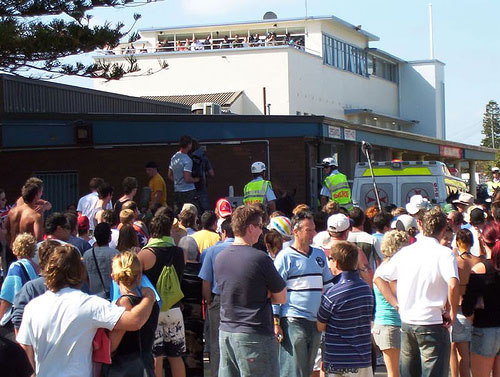
The Cronulla riots of December 2005 were a series of violent confrontations on and near Cronulla Beach in southern Sydney. What began as a large public rally and crowd confrontation quickly escalated into street attacks, property damage and multiple assaults that spread to nearby suburbs over several days. The events attracted intense national and international media attention and prompted debates about race, identity and policing in Australia.
Image gallery
4 Images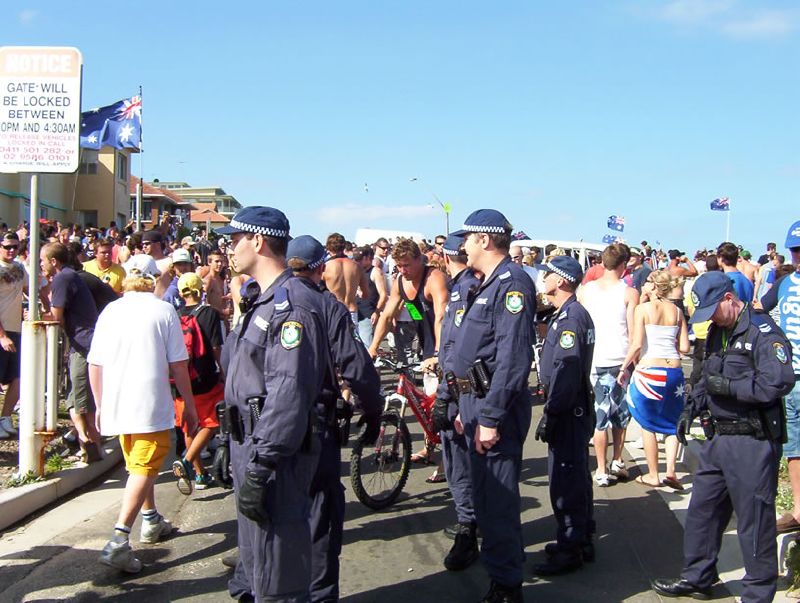


Background and causes
Tensions had been building between groups of young people in some beachside suburbs. Incidents that preceded the riots included assaults, insults and claims of cultural provocation. Organisers used mobile phones and online forums to call for gatherings, and counter-groups also assembled. The roles of social media, youth culture and long‑standing community friction are commonly cited in analyses of the unrest. Local community groups such as the Lebanese-Australian community and neighborhood organisations were directly affected.
What happened (timeline)
- 11 December 2005: A large, highly charged rally took place in Cronulla; some participants attempted to prevent people perceived as "Lebanese" or Middle Eastern from entering the beach area.
- 12 December: Violent clashes broke out in surrounding suburbs as small mobs attacked people and cars; police and emergency services responded to multiple incidents.
- 14 December and following days: Further confrontations, arrests and police operations aimed at restoring order and preventing renewed violence.
Participants and motivations
Participants included groups of young Anglo-Australians and groups from Middle Eastern backgrounds, alongside bystanders, community leaders and law-enforcement personnel. Motivations were mixed: some acts were explicitly racially motivated, others sprang from local disputes or opportunistic criminal behaviour. Political commentators, scholars and community representatives debated how much the unrest reflected organised xenophobia versus spontaneous crowd behaviour. Coverage and response involved media outlets and government bodies such as local authorities and national commentators.
Legal outcomes and official responses
Police investigations led to arrests and prosecutions; several people received custodial sentences after being convicted of assault, riot-related offences and property damage. The events triggered official inquiries, reviews of policing tactics and recommendations aimed at reducing racial tensions and improving community engagement. Government and civic groups, including youth services and religious organisations, initiated reconciliation and outreach efforts in the aftermath. Readers can consult a range of official reports and news summaries represented here: official report, media timeline.
Aftermath and significance
The Cronulla unrest had lasting effects on public discourse about multiculturalism, social cohesion and policing in Australia. It prompted reflection within communities about integration, identity and the role of public space. Schools, local councils and community organisations created programs to address youth exclusion and prejudice. The riots remain a reference point in discussions of social unrest, race relations and how modern communications can mobilise crowds, with commentary and analysis accessible through academic and journalistic sources: academic analysis, community response.
Notable facts and distinctions
The disturbances were not a single continuous riot but several related outbreaks over days; responsibility was shared among individuals on both sides rather than a single group. Law enforcement, media practices and community leaders were all criticised and examined after the events. For further background and legal summaries see legal summary and follow-up reports.
Related articles
Author
AlegsaOnline.com 2005 Cronulla riots (December 2005 unrest in Sydney) Leandro Alegsa
URL: https://en.alegsaonline.com/art/112367
Sources
- news.com.au : "Cronulla riot thug locked away"